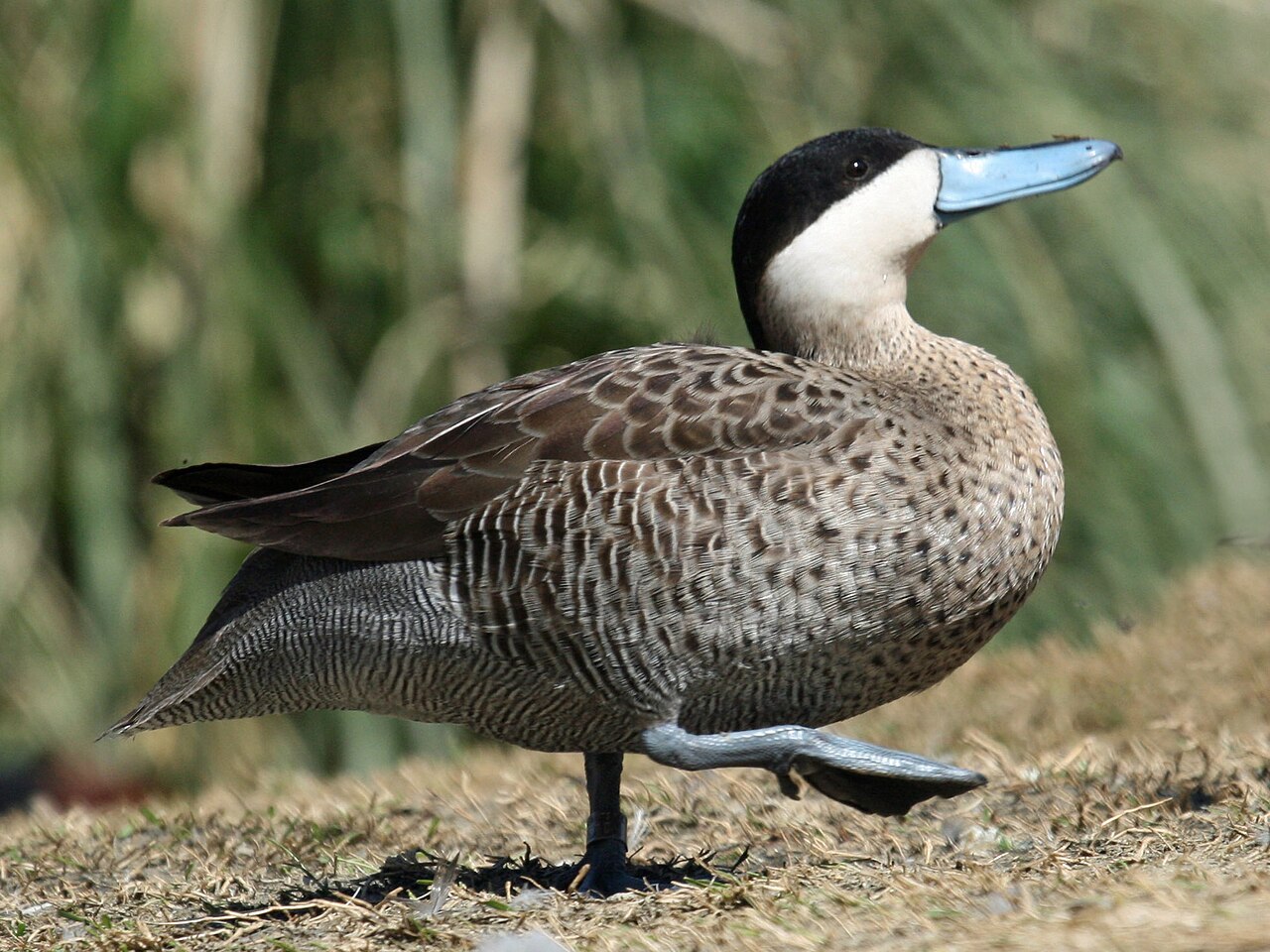
The puna snipe is a bird in tribe Scolopancinai and subfamily Scolopacinae of family Scolopacidae, the sandpipers and relatives. It is native to the puna grassland.
Region
Central Andes
Typical Environment
Occurs in the high Andean puna and Altiplano of Peru, western Bolivia, northern Chile, and northwestern Argentina. It favors wet puna grasslands, peat bogs (bofedales), marshy meadows, and the vegetated margins of high-elevation lakes and streams. The species keeps close to saturated soils where it can probe for invertebrates. It often uses low, tussocky cover and will sit tight until approached closely before flushing. Outside the breeding season it remains within similar wetland habitats, sometimes making short local movements to suitable moisture.
Altitude Range
3000–4800 m
Climate Zone
Highland
Ease of Keeping
Beginner friendly: 1/5
A cryptic high-Andean snipe, it is most often detected when it flushes at close range from dense, wet grass. Males perform dramatic crepuscular display flights that include a winnowing or drumming sound made by vibrating tail feathers. Its extremely long, flexible-tipped bill allows tactile probing in soft mud for hidden prey. Careful, still approaches along marsh edges often give the best views.


Temperament
solitary and secretive
Flight Pattern
explosive flush with rapid zigzagging flight; otherwise low, fast flight on short, rapid wingbeats
Social Behavior
Typically solitary or in loose pairs; nests on the ground in dense wet grass or rushes. Likely monogamous, with both adults tending the brood. Clutches are small, and chicks are precocial, leaving the nest shortly after hatching. Outside the breeding season it remains inconspicuous and spreads out in suitable wetlands.
Migratory Pattern
Resident
Song Description
Usually quiet; gives sharp, metallic chips or scaipe-like calls when flushed. During display flights at dusk and dawn, produces a distinctive non-vocal winnowing or drumming sound with tail feathers, sometimes interspersed with soft, repetitive notes.
Plumage
Densely mottled and barred brown, black, and buff with strong striping on the head and back; underparts barred with buff and brown. Feathers are cryptic and shaggy-edged, blending perfectly with wet grass and peat. Tail shows rufous tones with darker barring.
Diet
Feeds mainly on invertebrates, including insect larvae, adult insects, worms, and small mollusks. Uses its long, flexible-tipped bill to probe vertically into soft mud and saturated turf, detecting prey by touch. Also picks small items from the surface when foraging along puddled edges. Seeds or plant matter may be taken incidentally.
Preferred Environment
Forages in boggy puna meadows, shallow marsh margins, and wet pastures with soft soils. Often works along the edges of pools, trickles, and seepage zones within bofedales where organic mud is deep.