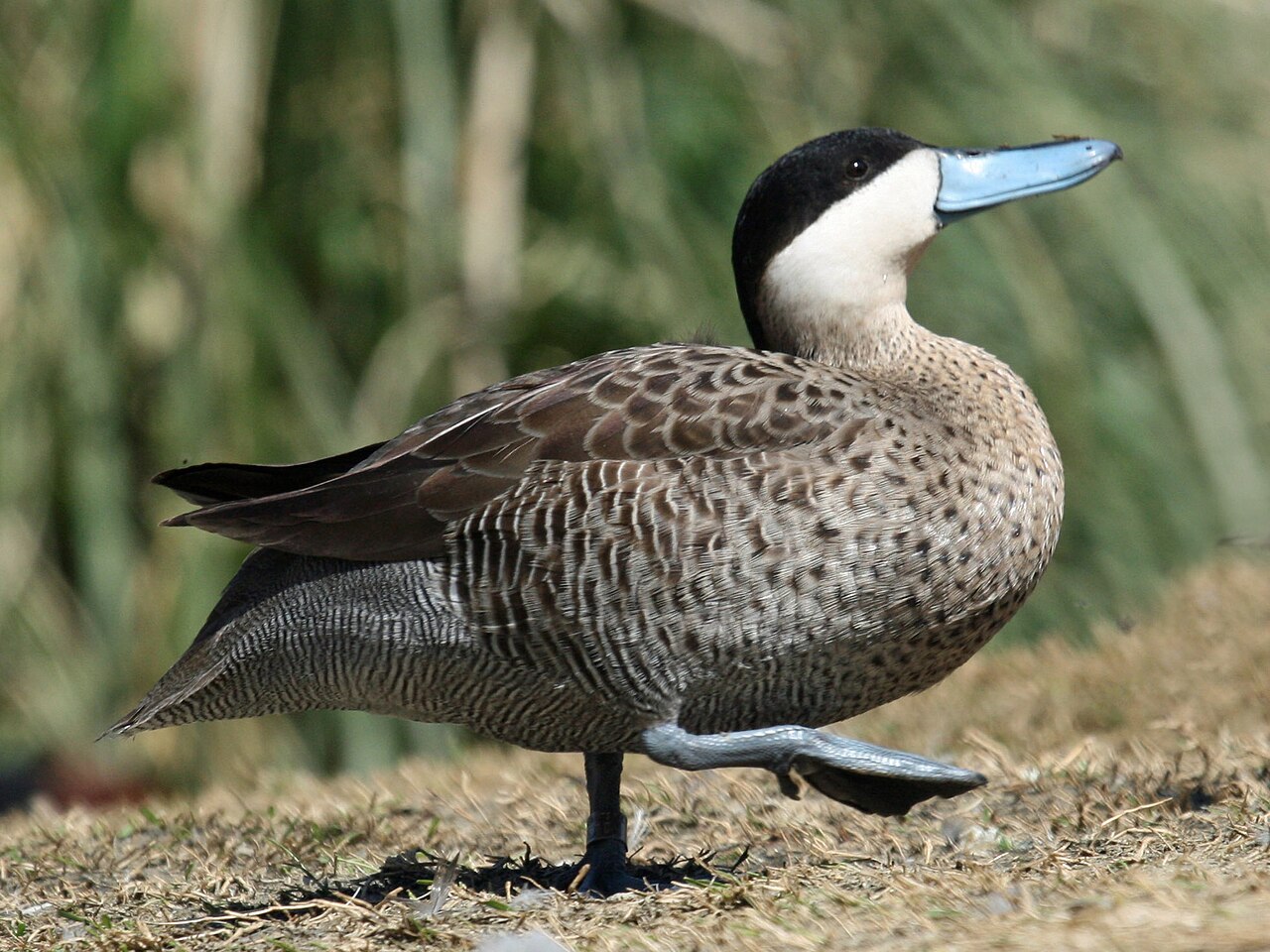
The puna plover is a species of bird in subfamily Charadriinae of family Charadriidae. It is found in Argentina, Bolivia, Chile, and Peru.
Region
Andean Altiplano
Typical Environment
Found on high-elevation plateaus and intermontane basins of Peru, Bolivia, northern Chile, and northwestern Argentina. It frequents saline and alkaline lakes, marshy edges, bofedales (high-Andean peat bogs), and nearby open puna grasslands. Breeding occurs on sparsely vegetated shores and salt flats with gravel and short turf. Outside the breeding season some birds disperse locally to lower Andean valleys and larger lakes while remaining within the highland zone.
Altitude Range
3200–4800 m
Climate Zone
Highland
Ease of Keeping
Beginner friendly: 1/5
Puna plovers are high-Andes specialists adapted to thin air and cold, dry conditions on the Altiplano. They breed along saline and alkaline lakes, where their cryptic eggs and chicks blend with pebbly shorelines. Pairs share incubation and chick-rearing duties, and the birds often make short seasonal movements to slightly lower elevations in winter.


Temperament
alert and wary, but tolerant in loose groups
Flight Pattern
swift, low flights with rapid, shallow wingbeats
Social Behavior
Breeds solitarily or in loose colonies, with nests as shallow scrapes on gravelly or sandy shores. Pairs are monogamous during the breeding season and share incubation and brood care. Outside breeding, small flocks may form around productive lake margins.
Migratory Pattern
Partial migrant
Song Description
Vocalizations are soft, piping whistles and thin peeps, often given in contact and alarm. During display, males may produce a slightly more rapid series of whistles while flying over the territory.
Plumage
Pale grey-brown upperparts with fine mottling and clean white underparts, often with a faint buffy wash across the upper breast. In breeding condition shows a subtle buff breast band and slightly darker ear coverts. The forehead and supercilium are whitish, contrasting with a narrow dark loral line. Flight reveals white wing bars and a white tail base with darker terminal band.
Diet
Primarily small invertebrates, including insects such as brine flies, beetles, and their larvae, as well as small crustaceans and worms picked from wet substrates. It uses the classic plover run-stop-peck foraging style to detect and seize prey. Feeding intensity often tracks the availability of invertebrates along the shifting shoreline.
Preferred Environment
Forages along the margins of saline and alkaline lakes, shallow pools, and mudflats, as well as damp edges of bofedales. It favors open, sparsely vegetated ground where prey is visible and accessible.