
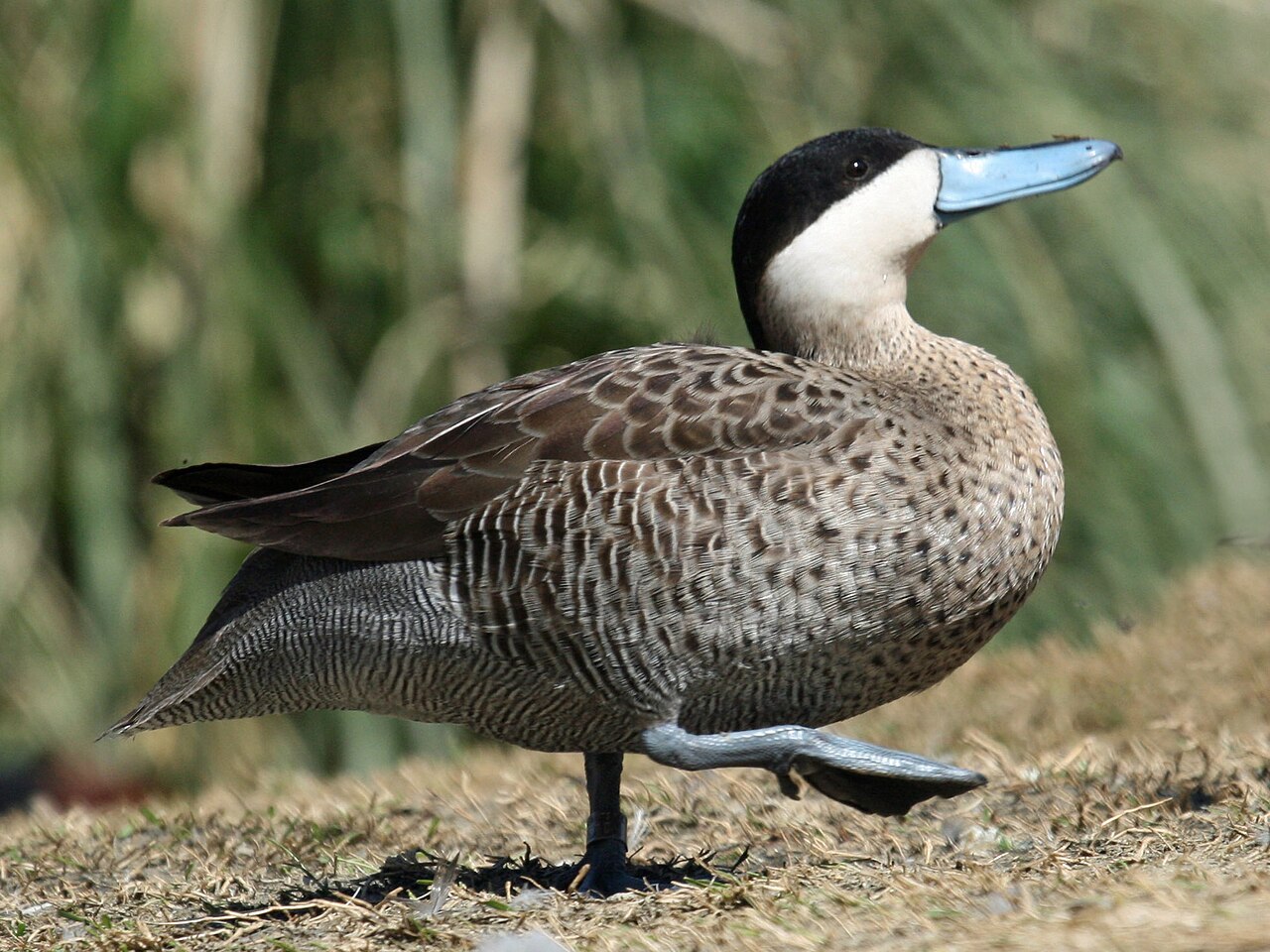
The Puna teal is a species of dabbling duck in the family Anatidae. It was at one time regarded as a subspecies of the silver teal.
Region
Andes Mountains
Typical Environment
Occurs on the Altiplano of Peru, Bolivia, northern Chile, and northwestern Argentina. It frequents shallow, often brackish or saline highland lakes, lagoons, and marshes with extensive reedbeds (totora and other sedges). Birds also use freshwater ponds and slow backwaters near puna grasslands. They remain near water year-round but may shift locally with water levels and freeze conditions.
Altitude Range
3000–4600 m
Climate Zone
Highland
Ease of Keeping
Beginner friendly: 2/5
The Puna teal is a high-Andean dabbling duck, once treated as a subspecies of the silver teal but now recognized as a distinct species. It is well adapted to thin air and cold conditions on the Altiplano. Its soft blue bill and dark cap make it easy to distinguish from similar teals. Outside the breeding season it often gathers in small, loose flocks on reed-fringed lakes.


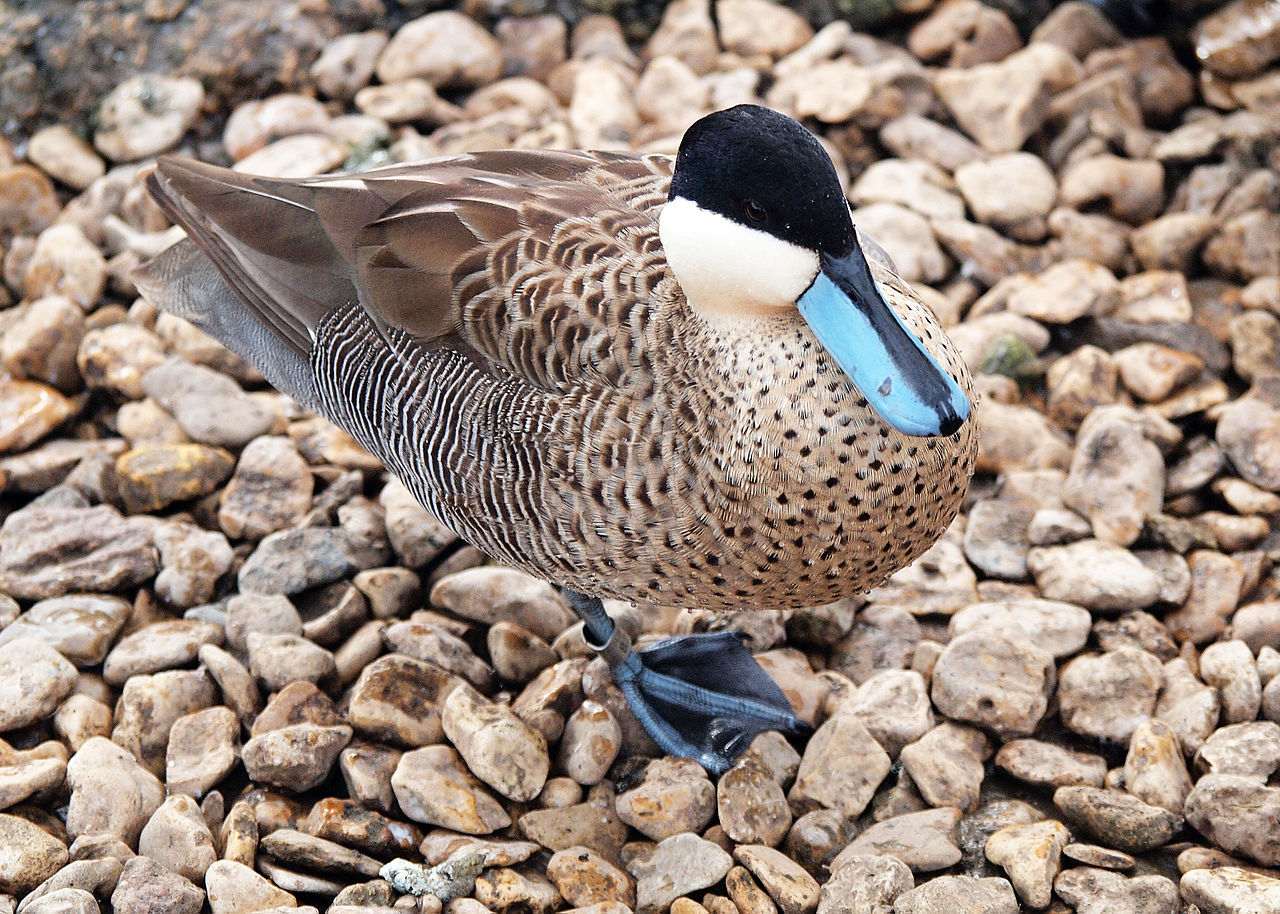
At WWT Slimbridge, England

Anas puna - MHNT
Temperament
generally calm and wary
Flight Pattern
short rapid wingbeats; strong flier low over water
Social Behavior
Usually seen in pairs or small groups; forms larger loose aggregations on productive lakes outside breeding. Nests are placed in dense reeds or grasses close to water, with the female incubating. Pairs are seasonally monogamous and defend small territories around nest sites.
Migratory Pattern
Resident
Song Description
Relatively quiet; males give soft whistled peeps and trills during courtship. Females produce lower, nasal quacks and grunts, especially when alarmed or communicating with ducklings.
Plumage
Mottled buff and brown body with fine vermiculations; darker upperparts and paler, lightly spotted flanks. Striking black cap and nape contrast with a creamy face. Wing shows a green speculum bordered by white visible in flight.
Diet
Feeds by dabbling and filtering small items with the lamellae of its spatulate bill. Diet includes aquatic invertebrates such as insect larvae and small crustaceans, along with seeds, stems, and leaves of aquatic plants. It also consumes algae and biofilm scraped from the water surface and submerged vegetation. Opportunistic foraging shifts with seasonal availability of invertebrates and seeds.
Preferred Environment
Most often forages in shallow margins of highland lakes and marshes among reeds and sedges. Regularly upends in sheltered coves and uses quiet backwaters with soft substrates.


