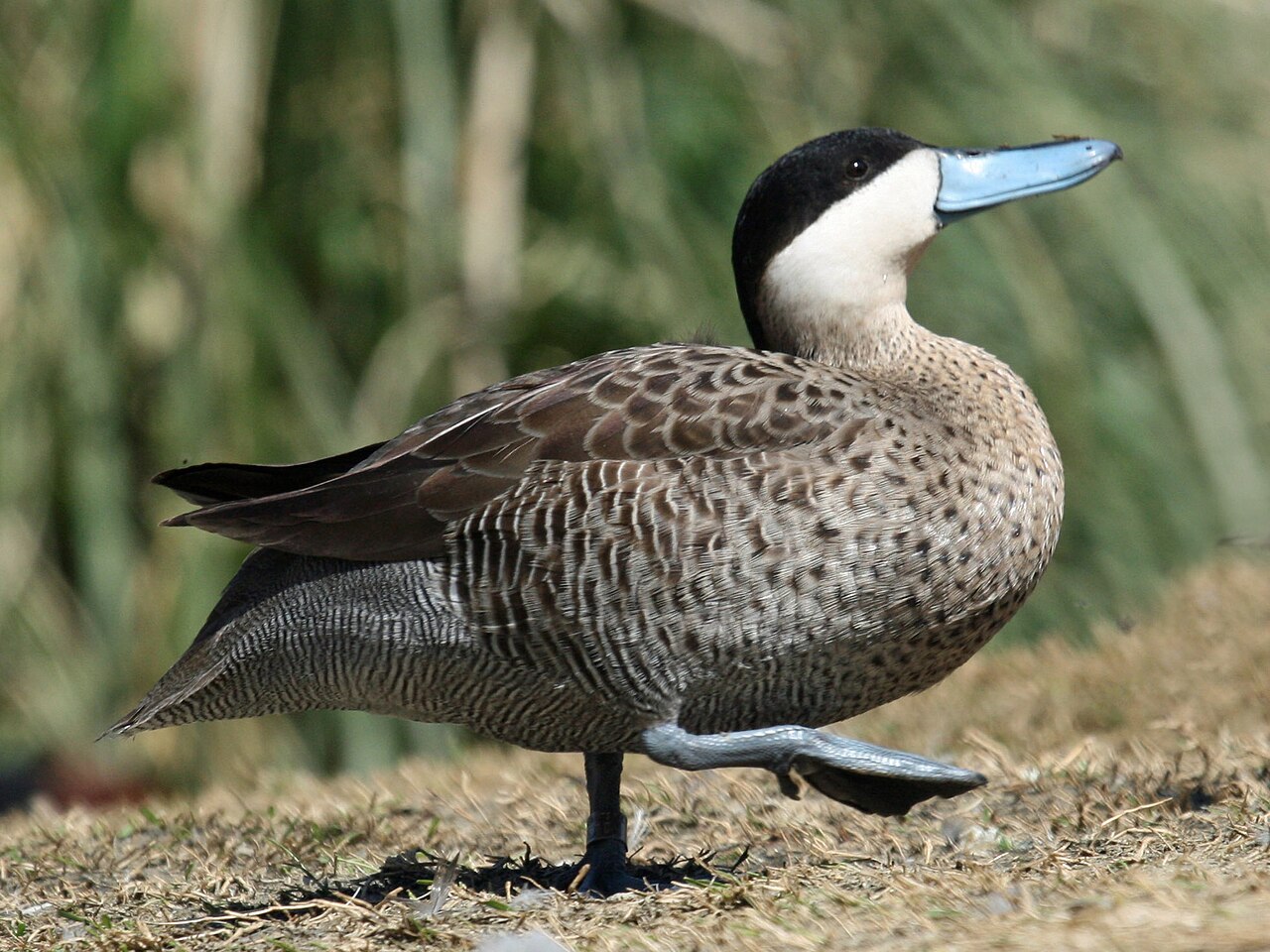
The Puna pipit is a species of bird in the family Motacillidae native to South America. It is sometimes considered a subspecies of the short-billed pipit.
Region
Central Andes
Typical Environment
Occurs in high-elevation puna grasslands and open, windswept slopes across southern Peru, western Bolivia, northern Chile, and northwestern Argentina. It favors short-grass steppe, bunchgrass slopes, and the fringes of high Andean wetlands (bofedales). The species often uses lightly grazed pastures and sparsely vegetated ground where it can forage on foot. It tolerates harsh diurnal temperature swings and strong UV exposure typical of the Altiplano.
Altitude Range
3200–4800 m
Climate Zone
Highland
Ease of Keeping
Beginner friendly: 1/5
The Puna pipit inhabits the high Andean puna, where thin air, intense sun, and cold nights shape a hardy grassland community. It is very similar to other South American pipits and is often identified by its short bill, subtle plumage details, and song-flight displays. Taxonomically, it has been treated either as a distinct species or as part of the short-billed pipit complex.

Temperament
wary and terrestrial
Flight Pattern
short rapid wingbeats with bounding, undulating flight
Social Behavior
Typically forages singly or in pairs, forming small loose groups outside the breeding season. Nests are cup-shaped and placed on the ground, concealed among grass tussocks. Males perform brief song flights over territories during breeding.
Migratory Pattern
Resident
Song Description
A thin, high series of tseep notes interspersed with dry trills, often delivered during a short song flight. Calls are sharp and sibilant, aiding contact over open, windy ground.
Plumage
Brown to grey-brown upperparts with dark streaking, a pale buff supercilium, and finely streaked breast fading to cleaner buff or whitish underparts. Tail shows contrasting white outer feathers. Overall plumage is cryptic and well-matched to puna grasslands.
Diet
Primarily small invertebrates such as beetles, flies, caterpillars, and spiders gleaned from the ground and low vegetation. It may occasionally take seeds, especially in the non-breeding season. Foraging is mostly by walking and quick dashes with frequent pauses to scan.
Preferred Environment
Short-grass puna, edges of bofedales, open slopes, and lightly grazed pastures with scattered bare patches. It uses microhabitats offering both cover and open ground for efficient ground foraging.