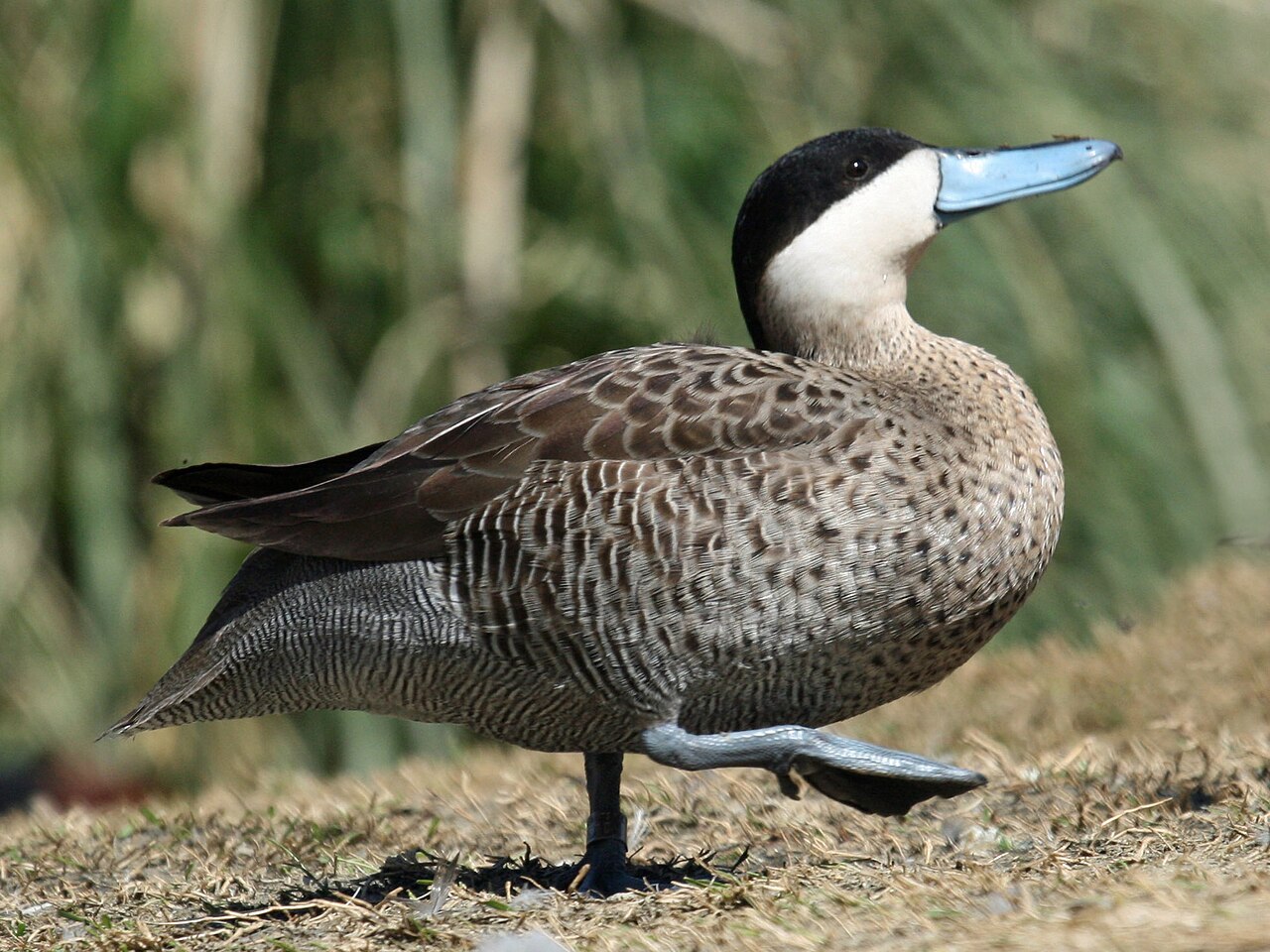
The puna tapaculo is a species of bird in the family Rhinocryptidae. It is found in Bolivia and Peru.
Region
Andes Mountains
Typical Environment
Occurs at high elevations in southern Peru and western Bolivia, chiefly above treeline. It favors puna grasslands with scattered shrubs, rocky slopes, gullies, and edges of Polylepis woodlands. The species keeps to dense low cover, using tussock grasses, mossy banks, and boulder fields for concealment. It is typically associated with moist microhabitats such as seepage areas and ravines, but also ranges through drier open patches as it forages.
Altitude Range
3000–4800 m
Climate Zone
Highland
Ease of Keeping
Beginner friendly: 1/5
The Puna tapaculo is a small, secretive ground-dwelling bird of the high Andes, more often heard than seen. Its song—an accelerating series of sharp notes—is the best way to detect it in dense puna vegetation. It keeps close to the ground, darting between rocks, bunchgrasses, and low shrubs, and often uses natural cavities or earthen banks for nesting.


Puna Tapaculo
Temperament
secretive and territorial
Flight Pattern
short rapid wingbeats, low to the ground
Social Behavior
Usually encountered singly or in pairs, maintaining territories year-round. Nests are placed in cavities or short tunnels in earthen banks or among roots, lined with plant fibers. Both sexes likely participate in nesting duties, and clutches are typically small.
Migratory Pattern
Resident
Song Description
A loud, accelerating series of sharp, metallic notes that may culminate in a steady trill. Calls include short ticks and scolds delivered from within dense cover.
Plumage
Sooty to dark gray overall with warmer brown, finely barred flanks and undertail coverts; females and immatures tend to be browner with more evident barring.
Diet
Primarily small arthropods such as insects, spiders, and their larvae gleaned from leaf litter, moss, and crevices. It probes and picks methodically near the ground and around rocks. Occasional small invertebrates are taken from low shrubs and grass stems.
Preferred Environment
Feeds within dense bunchgrasses, mossy banks, rocky gullies, and shrub tangles, rarely venturing into open areas. Often forages along damp seeps and stream edges where invertebrate prey is abundant.