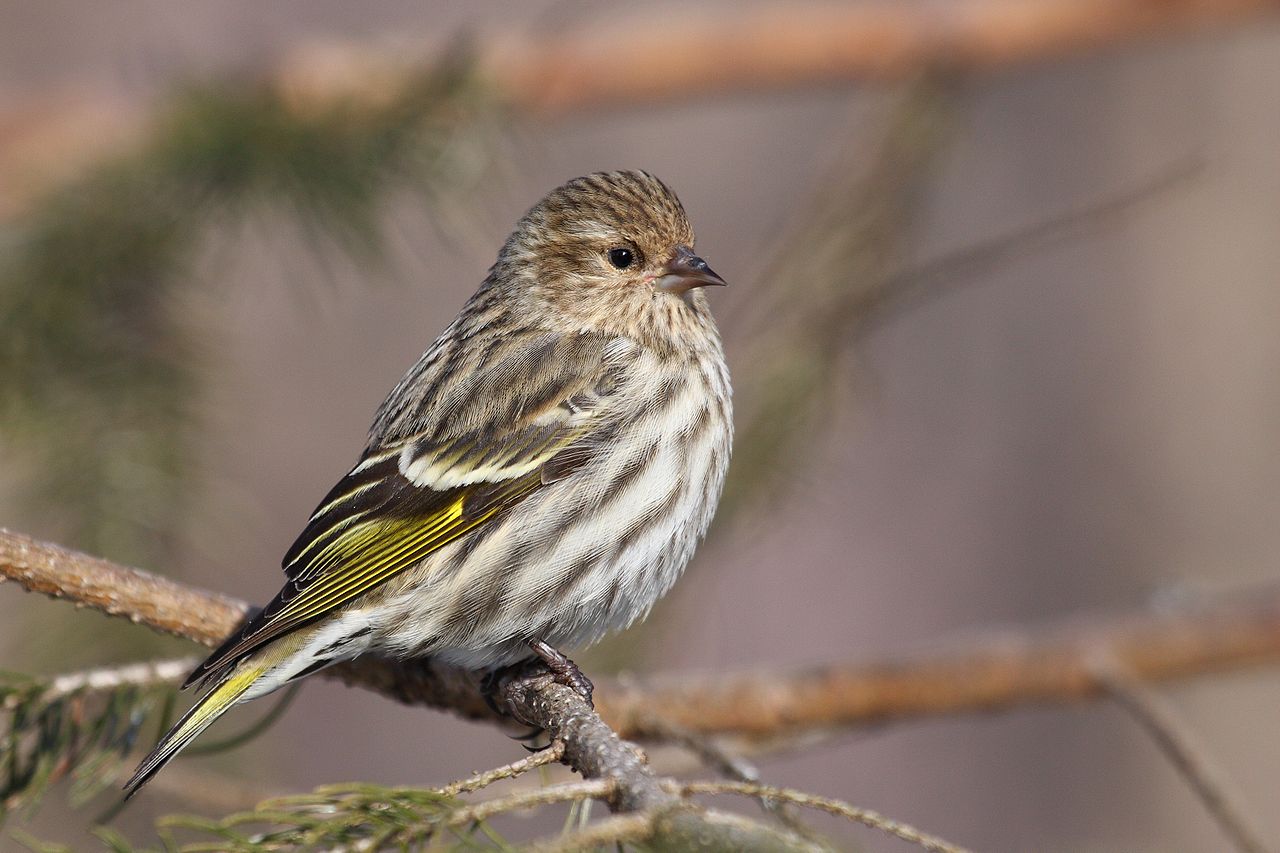
The pin-tailed whydah is a small songbird with a conspicuous pennant-like tail in breeding males. It is a resident breeding bird in most of Africa south of the Sahara Desert.
Region
Sub-Saharan Africa
Typical Environment
Occurs widely across open habitats including savanna, grassland, shrubland, agricultural fields, and suburban gardens. It favors edge habitats with scattered bushes or trees and abundant seeding grasses. Often found near water and in areas where host estrildid finches are common. Outside its native range it persists in parks and urban greenspaces where suitable hosts and seed resources exist.
Altitude Range
0–2500 m
Climate Zone
Tropical
Ease of Keeping
Beginner friendly: 2/5
This brood-parasitic finch lays its eggs in the nests of estrildid finches, especially the common waxbill, leaving the hosts to raise its young. Breeding males have an extraordinary pennant-like tail and perform hovering, butterfly-like courtship flights. Males mimic the songs of their host species to attract females that were reared by the same host. It has established introduced populations in several places outside Africa.



Temperament
territorial during breeding, otherwise fairly social
Flight Pattern
short rapid wingbeats with frequent perching; males perform hovering display flights
Social Behavior
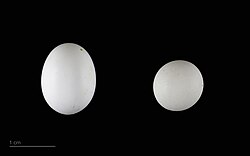
Males defend small display territories and court multiple females. The species does not build its own nests; females parasitize host finches, laying eggs that closely match the hosts’. Outside the breeding season they form small flocks and often associate with seed-eating finches.
Migratory Pattern
Resident
Song Description
The male’s song is varied and includes clear mimicry of local host finches. Calls are sharp chips and trills; females give softer contact notes near hosts’ nests.
Plumage
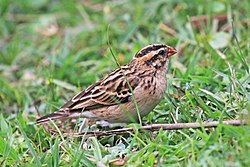
Breeding male is glossy black above with white underparts and strikingly elongated, narrow tail streamers; non-breeding male and female are brown and streaked with a paler underside. Plumage is crisp with clear contrast in breeding males and cryptic, finely streaked in females.
Diet
Primarily a granivore, feeding on grass and weed seeds gleaned from the ground and seedheads. It will visit crop margins, weedy fields, and garden feeders for small grains. Occasional small insects may be taken, especially by chicks, but seeds dominate the diet. It often feeds in loose groups, sometimes alongside its host species.
Preferred Environment
Open, seed-rich areas such as grasslands, fallow fields, roadside verges, and garden lawns. Frequently forages on the ground or low vegetation, moving to shrubs and perches to scan for safety.