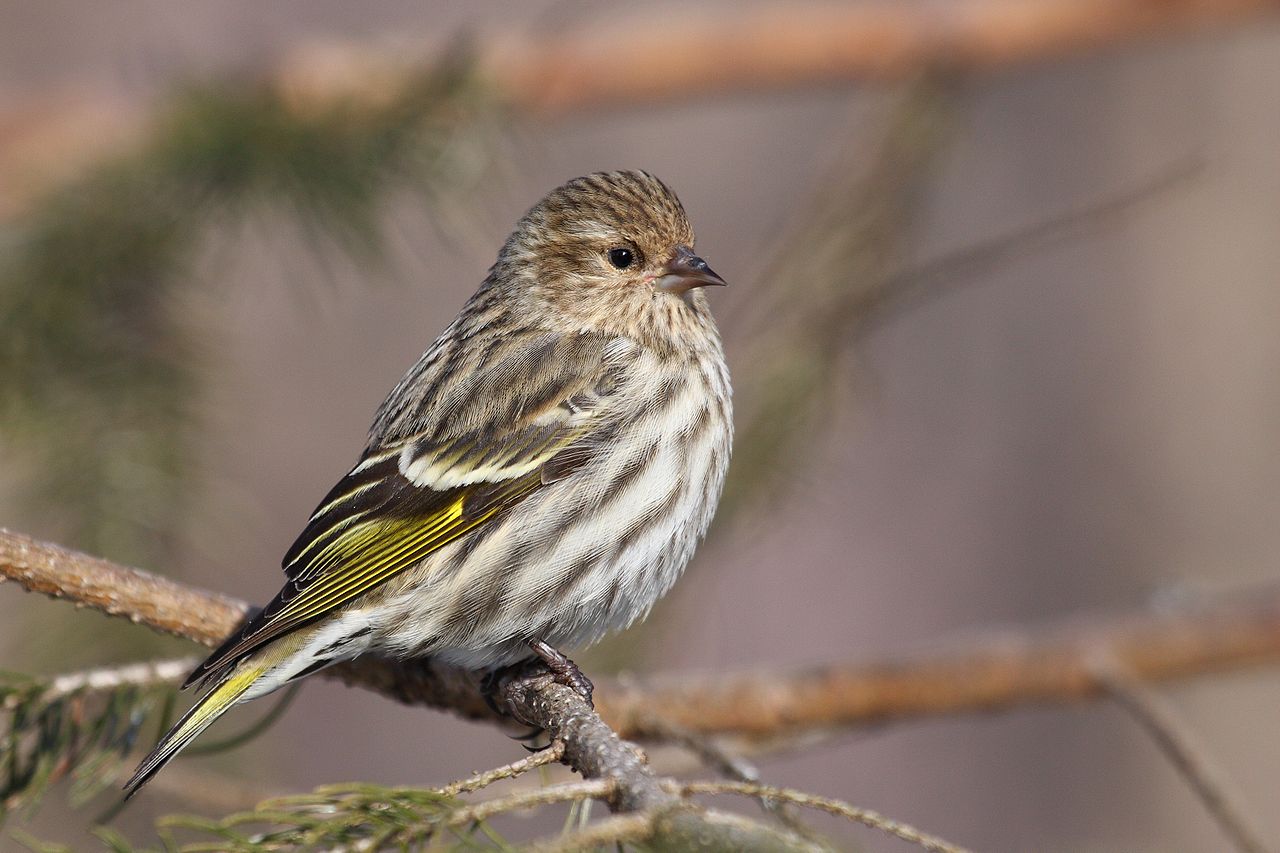
The pine bunting is a passerine bird in the bunting family Emberizidae, a group most modern authors now separate from the finches, Fringillidae. It lives in Eurosiberia east of the Urals.
Region
Eurasia (Siberia to Northeast Asia)
Typical Environment
Breeds in open woodland, forest edge, and agricultural mosaics across Siberia east of the Ural Mountains, extending through Transbaikal and into northern Mongolia and northeastern China. In winter it moves south to Central Asia, northern China, and occasionally northern South Asia. It favors mixed farmlands, steppe with scattered trees, riverine groves, and the margins of light conifer and birch forests. Outside the breeding season it often uses stubble fields and weedy patches. Vagrants are recorded in Europe, especially in winter.
Altitude Range
0–2500 m
Climate Zone
Continental
Ease of Keeping
Beginner friendly: 1/5
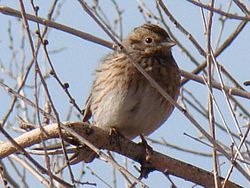
The pine bunting is a Eurasian bunting that breeds across Siberia and adjacent regions east of the Urals and winters farther south into Central and East Asia. Males are noted for their pale, white-washed head pattern compared with the closely related yellowhammer. It readily hybridizes with yellowhammer where their ranges meet in western Siberia. Occasional vagrants reach Europe in winter.



Temperament
wary but gregarious outside breeding
Flight Pattern
strong flier with undulating, direct flights between perches and feeding areas
Social Behavior
Breeds in loosely spaced pairs; the nest is usually on or near the ground in grass tussocks or low shrubs. Clutches typically contain 3–5 eggs, and both parents help feed the young. In winter it forms flocks, often mixing with other buntings and finches in fields and weedy areas.
Migratory Pattern
Seasonal migrant
Song Description
Song is a simple, clear series of metallic and tinkling phrases delivered from treetops or wires, reminiscent of yellowhammer but less drawn-out. Calls include sharp ticks and thin, sibilant notes used in flock contact and alarm.
Plumage
Streaked brown mantle with a contrastingly pale, white-washed head in males; underparts pale with fine flank streaking and a warmer brown rump. Females and immatures are duller, with buffier head tones and more diffuse head patterning. Both sexes show white outer tail feathers typical of many buntings.
Diet
Feeds mainly on seeds of grasses, cereals, and weeds, switching to insects and other small invertebrates during the breeding season to provision chicks. Picks seeds from the ground and low vegetation, and gleans arthropods among herb layers. In winter it frequents stubble and spilled grain, occasionally visiting feeders in settled areas.
Preferred Environment
Forages on the ground in open fields, weedy edges, and at the margins of light woodland. During breeding it uses shrubby clearings and forest edges near open foraging patches.