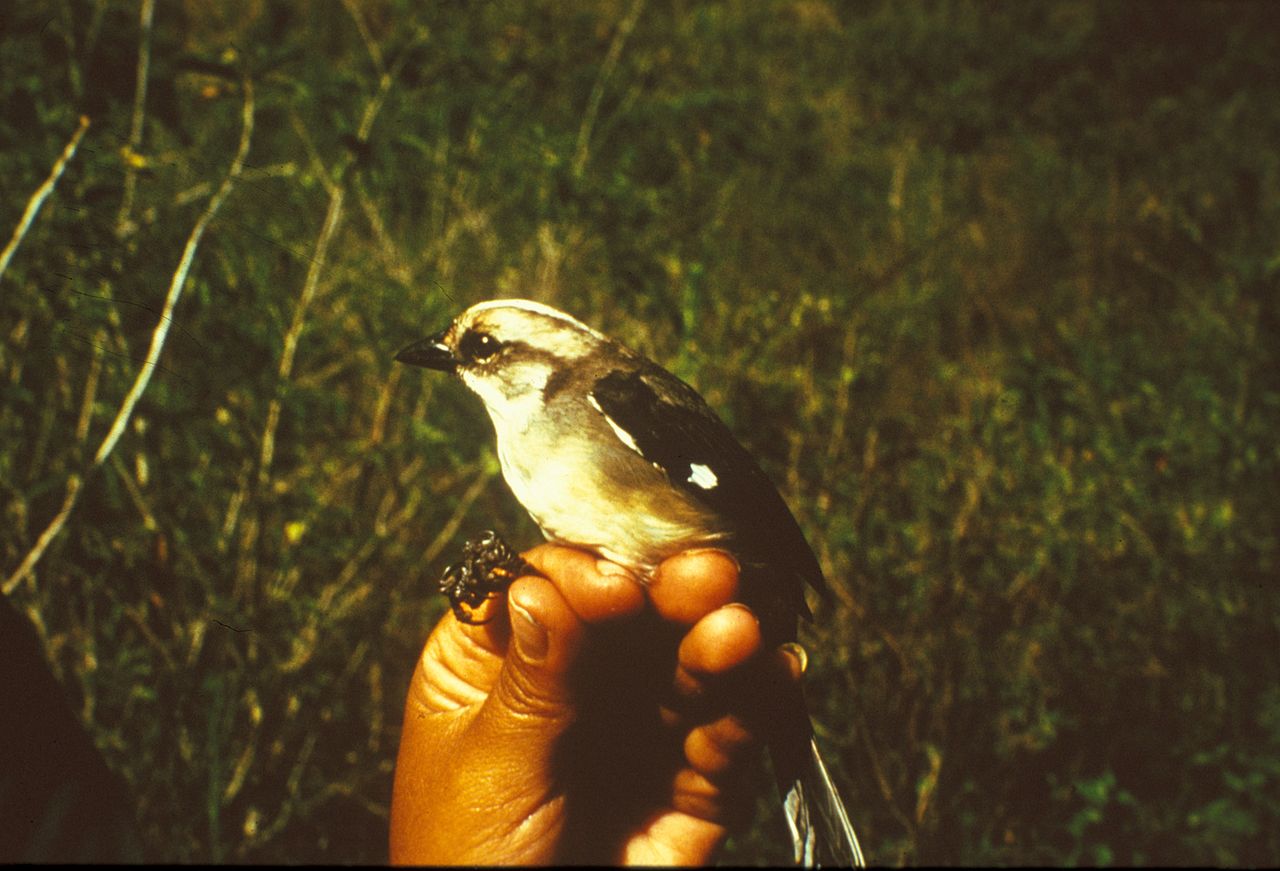
The pale-eyed pygmy tyrant is a species of bird in the tyrant flycatcher family Tyrannidae. It is found in Brazil, Colombia, Guyana, Panama, and Venezuela.
Region
Northern South America and Panama
Typical Environment
Occurs in lowland and foothill forests of northern Brazil, Colombia, Guyana, Panama, and Venezuela. It favors the understory of tropical evergreen and semi-deciduous forests, edges, and tall second growth. Often found along forest streams, gallery forests, and thickets where light is filtered and cover is dense. Tolerates disturbed habitats and degraded forest patches, provided there is sufficient shrub and sapling structure.
Altitude Range
Sea level to 1000 m
Climate Zone
Tropical
Ease of Keeping
Beginner friendly: 1/5
This tiny flycatcher is the sole member of the genus Atalotriccus and is named for its conspicuously pale iris. It keeps to the shaded understory where it is easily overlooked despite frequent tail flicks and quick, darting sallies for insects. Its thin, high-pitched calls often reveal its presence before the bird is seen.


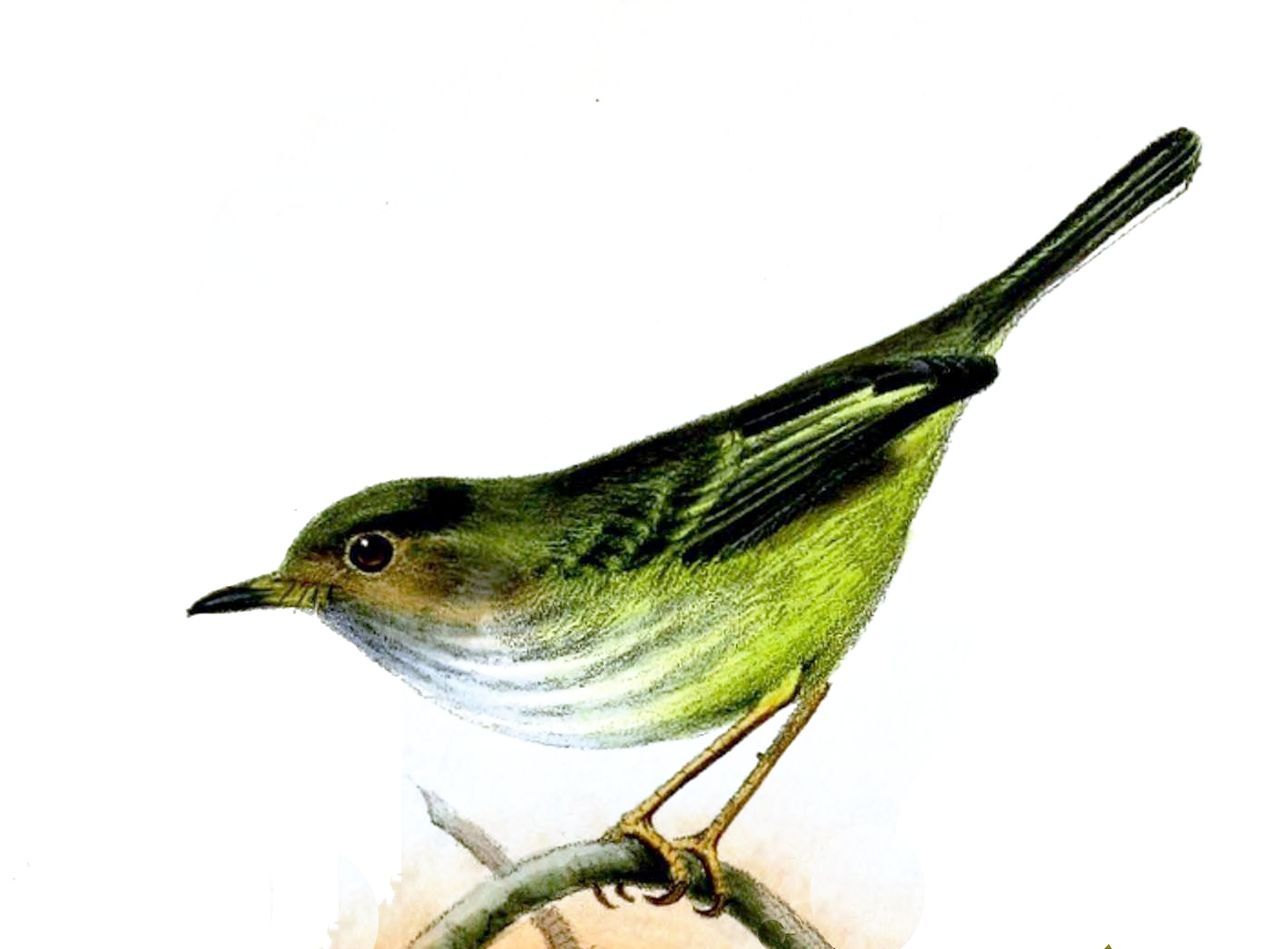
Illustration by Joseph Wolf

Temperament
solitary and territorial
Flight Pattern
short rapid wingbeats with quick, darting sallies
Social Behavior
Usually seen alone or in pairs in the lower to mid understory. Nests are placed low, often in dense vegetation; pairs defend small territories during the breeding season. Will occasionally join mixed-species flocks along forest edges but remains inconspicuous.
Migratory Pattern
Resident
Song Description
Gives thin, high-pitched tsee and seee notes, often in short, spaced series. Also produces brief, insect-like trills that can be hard to locate within dense foliage.
Plumage
Compact, olive-brown upperparts with dusky wings and two faint buffy wingbars; underparts grayish to yellow-washed with a paler throat. Short tail and short, flat bill give a stubby appearance. Texture is smooth with subtle edging on wing feathers.
Diet
Feeds primarily on small insects such as flies, beetles, moths, and other arthropods. Captures prey by short sallying flights from low perches and by hover-gleaning from leaves. Occasionally picks prey directly from twigs and vine tangles.
Preferred Environment
Forages in the shaded understory of forests, edges, and tall second growth, typically 1–5 meters above ground. Often works along stream margins, vine tangles, and dense thickets where insect activity is high.