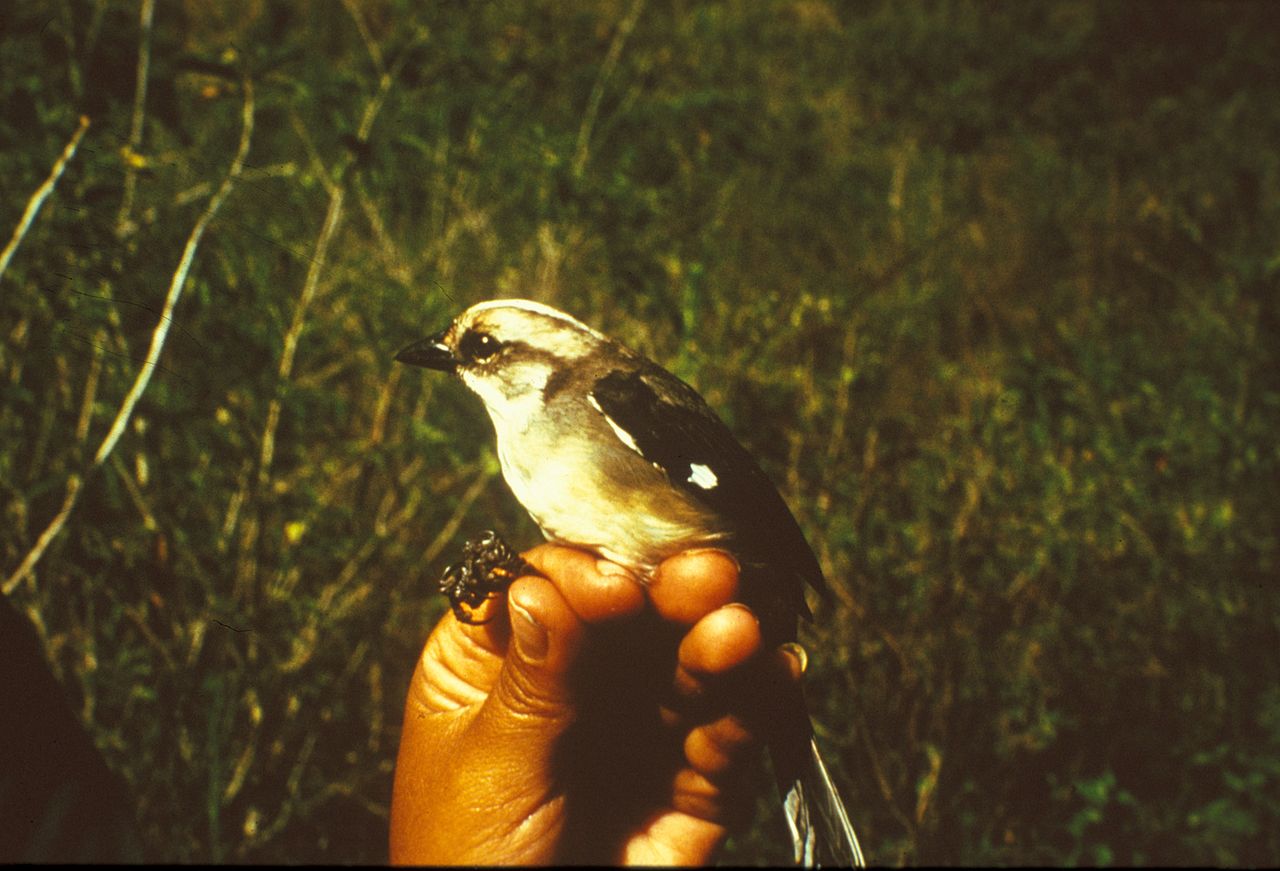
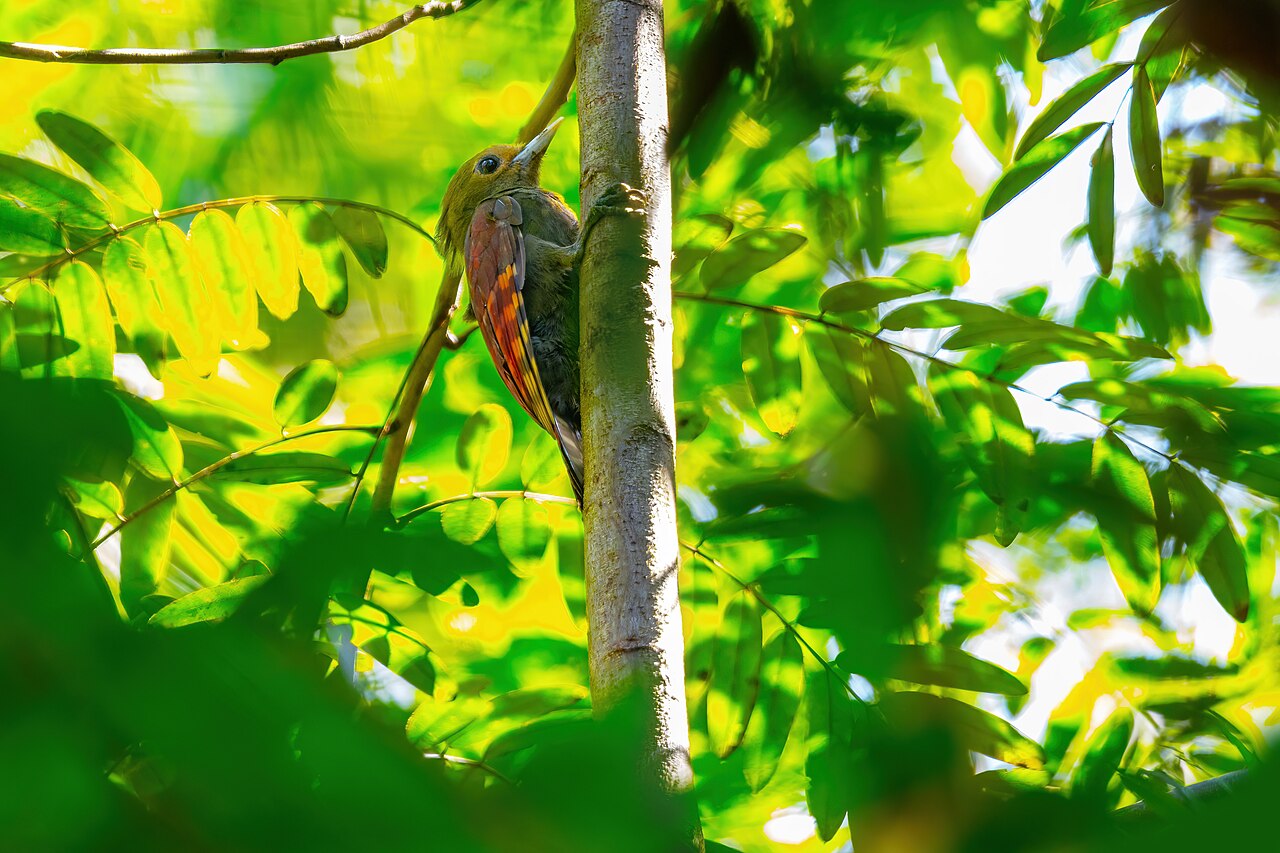
The pale-fronted nigrita is a common species of estrildid finch found in Africa. It has an estimated global extent of occurrence of 2,500,000 km2.
Region
West and Central Africa
Typical Environment
Occurs widely from southern Nigeria through Cameroon, Equatorial Guinea, Gabon, and into the Congo Basin including the Republic of the Congo and the Democratic Republic of the Congo. It inhabits lowland tropical moist forests, edges, clearings with thickets, and secondary growth. The species tolerates disturbed habitats provided dense cover and fruiting shrubs are available. It is typically found in the understorey to mid-storey but will also forage along forest margins.
Altitude Range
Sea level to 1500 m
Climate Zone
Tropical
Ease of Keeping
Beginner friendly: 2/5
The pale-fronted nigrita is a small estrildid finch of West and Central African forests, easily recognized by its contrasting pale forehead. It frequents forest edges and secondary growth, often moving quietly in small groups. Its mixed diet of small fruits, seeds, and insects helps disperse seeds and control arthropods.

Temperament
shy and skulking
Flight Pattern
short rapid wingbeats
Social Behavior
Usually seen singly, in pairs, or in small family parties; may join mixed-species flocks in the understorey. Pairs are likely monogamous and maintain small territories during breeding. Nests are typically domed or ball-like structures placed in dense vegetation.
Migratory Pattern
Resident
Song Description
Soft, high-pitched twitters and thin sibilant notes, often delivered from cover. Calls are brief and contact-oriented, aiding flock cohesion while foraging.
Plumage
Mostly dusky to sooty-brown with a distinctly paler, buffy forehead; underparts slightly lighter than upperparts with smooth, plain texture.
Diet
Feeds on small fruits and berries, soft seeds, and a variety of small insects and other arthropods. Will glean from leaves and twigs and take fallen items from low vegetation. Opportunistic at fruiting shrubs along forest edges and tracks.
Preferred Environment
Forages in dense undergrowth, vine tangles, and along forest margins and clearings. Frequently uses secondary growth and scrub where fruiting plants are abundant.