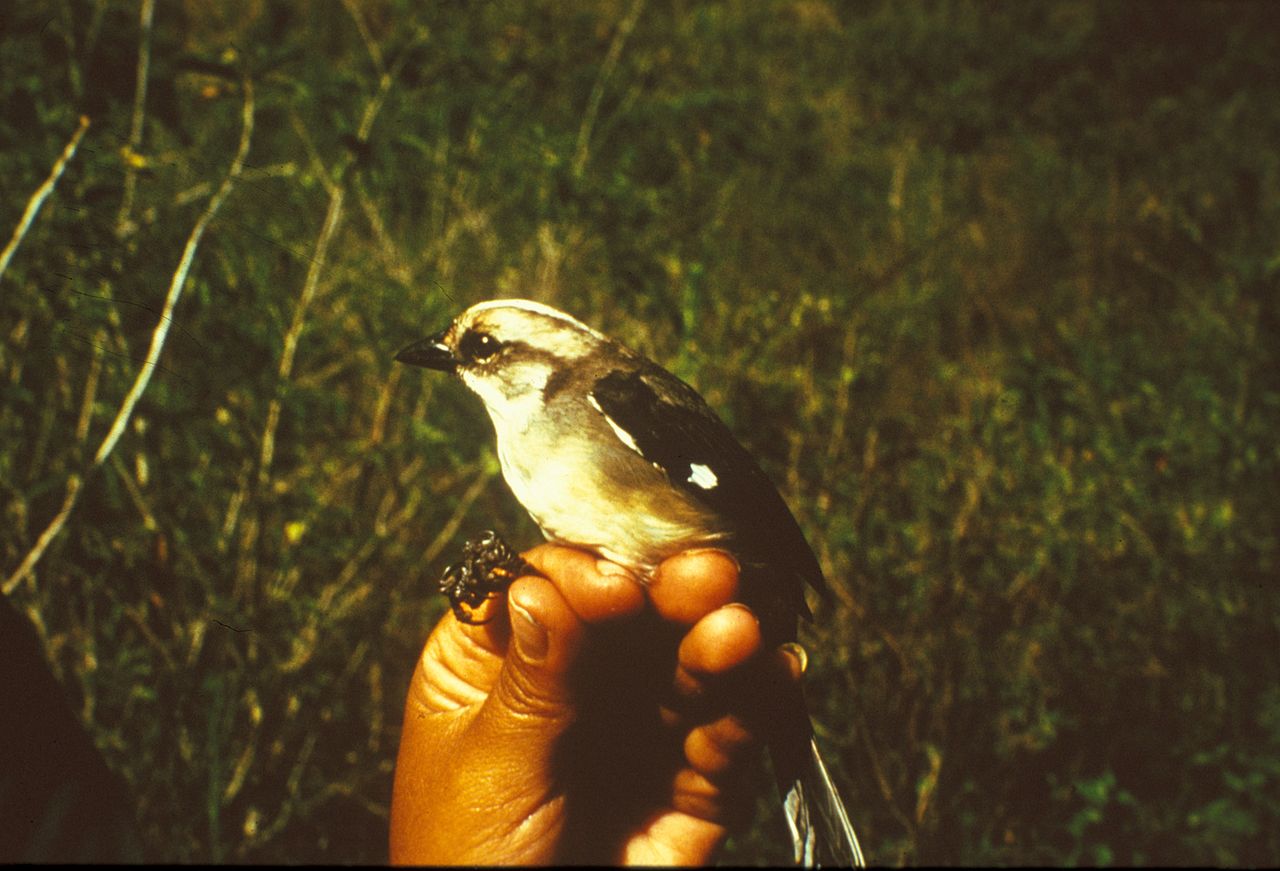
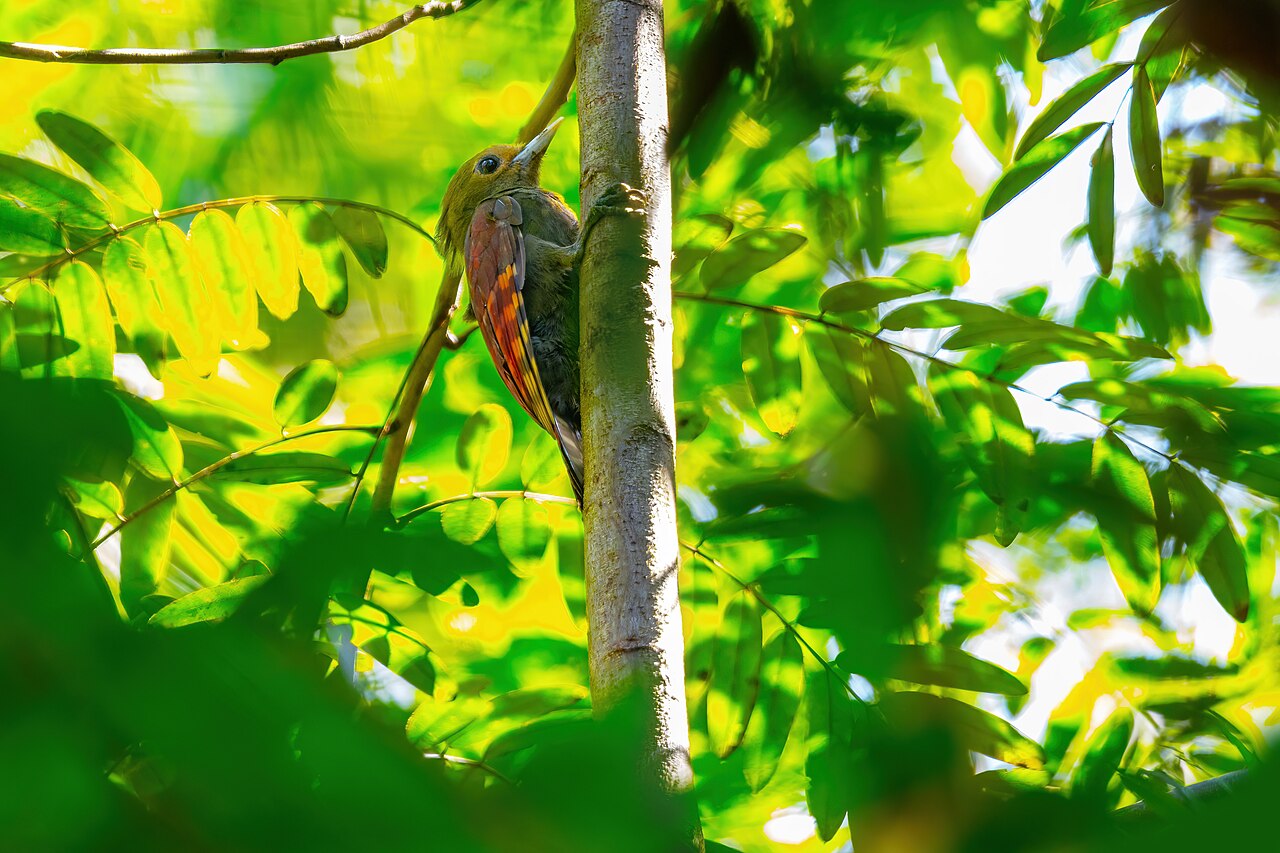
The pale-footed bush warbler is a species of oriental warbler in the family Cettiidae that is found in southern Asia. It occurs in the Himalayan region west from Dehradun through the foothills of Nepal to northeastern India. It also occurs in Myanmar, Laos, northern Vietnam and southern China. A single sighting was recorded from Kandy, Sri Lanka in March 1993.
Region
Himalayan foothills and Indochina
Typical Environment
Occurs from the western Himalayan foothills around Dehradun across Nepal into northeastern India, and east through Myanmar, Laos, and northern Vietnam to southern China. Prefers dense tall grasslands, scrubby edges, bamboo thickets, and secondary growth, often near wetlands and riverine plains. It frequents the Terai and similar low, damp grasslands but also uses shrubby slopes and clearings. A Sri Lanka record is considered a rare vagrant.
Altitude Range
100–2000 m
Climate Zone
Subtropical
Ease of Keeping
Beginner friendly: 1/5
This shy, ground-hugging warbler spends most of its time hidden in dense grasses and scrub, where it is more often heard than seen. Its name refers to its pale, flesh-colored feet, a useful field clue when views are brief. Males deliver thin, insect-like trills and sharp ticks from low cover, especially at dawn and dusk. It can make short, mouse-like dashes through vegetation when disturbed.


Sonogram of pale-footed bush warbler
Temperament
skulking and secretive
Flight Pattern
short rapid wingbeats, low over vegetation
Social Behavior
Typically solitary or in pairs during the breeding season, keeping to dense cover. Nests are low and well concealed in tall grass or scrub, with a cup of fine plant material. Outside breeding, may occur loosely in proximity where habitat is continuous but rarely forms obvious flocks.
Migratory Pattern
Partial migrant
Song Description
Song consists of thin, high, insect-like trills interspersed with metallic ticks, delivered from low perches inside cover. Calls include sharp tchak notes and soft ticking contact calls.
Plumage
Plain, warm-brown upperparts with paler, buffy underparts and a slightly grayer face; overall smooth, unpatterned look suited to dense cover.
Diet
Feeds mainly on small insects and other arthropods, including beetles, caterpillars, grasshoppers, and spiders. Forages by gleaning from grass stems, leaves, and low shrubs, and occasionally makes brief sallies to snatch prey. Often flicks its tail and moves mouse-like through tangles while picking prey quietly.
Preferred Environment
Dense tall grasses, reedbeds, bamboo clumps, and shrubby edges near wetlands, rivers, and damp fields. Also uses secondary growth and overgrown clearings along forest margins and tea or agriculture edges with thick understory.