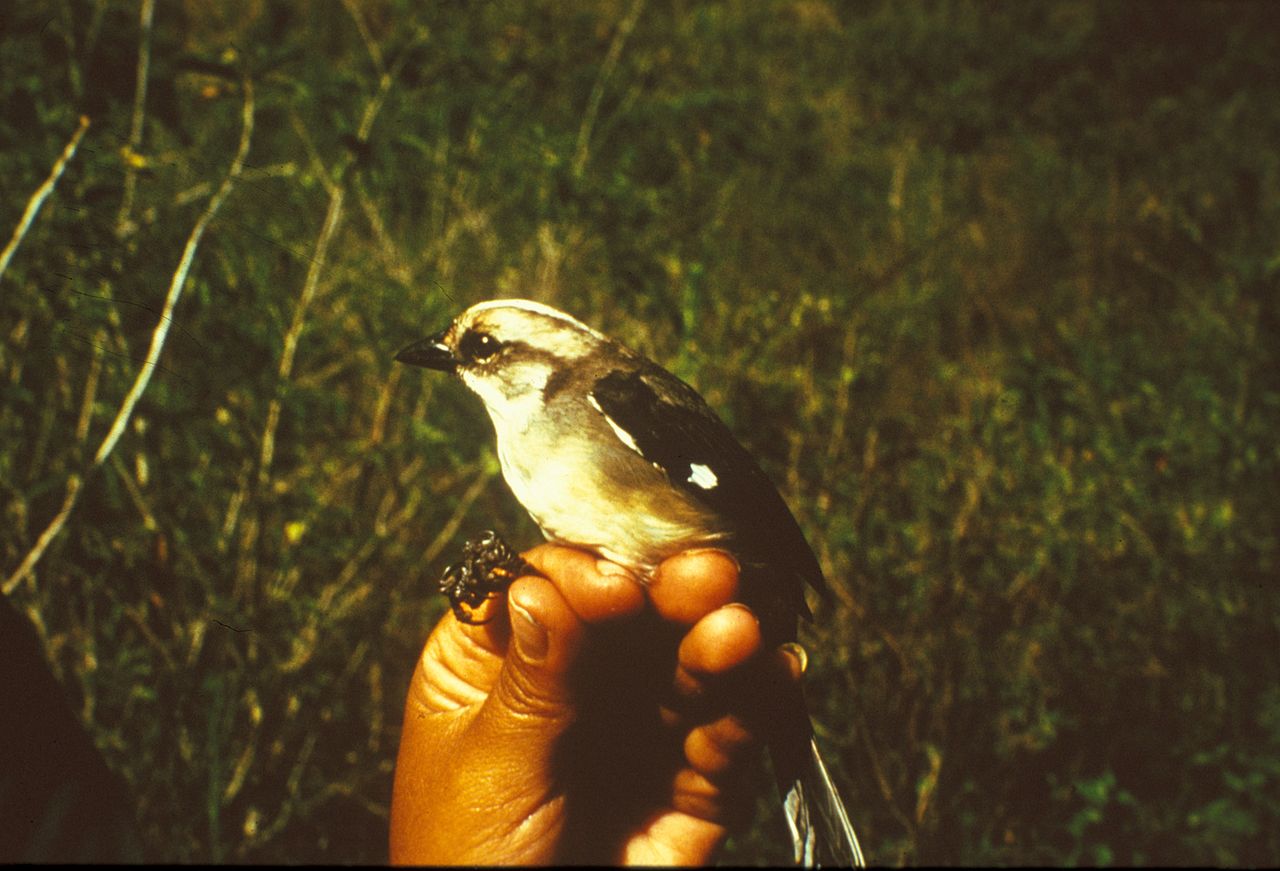
The pale-headed brushfinch is a species of bird in the family Passerellidae. It is endemic to arid areas with low scrub at altitudes of 1,650–1,800 m (5,410–5,910 ft) in south-central Ecuador.
Region
Andes Mountains
Typical Environment
This species occupies arid inter-Andean valleys with low, thorny scrub and scattered bushes and cacti. It favors semi-open slopes, edges of scrub, ravines, and second-growth thickets where dense cover alternates with small open patches. Nesting typically occurs in dense shrubs low above the ground. The highly localized population is centered in protected habitat within the Yunguilla Reserve and nearby suitable scrub.
Altitude Range
1650–1800 m
Climate Zone
Highland
Ease of Keeping
Beginner friendly: 1/5
Rediscovered in 1998 after being feared extinct, the pale-headed brushfinch survives mainly within the Yunguilla Reserve in south-central Ecuador. Intensive control of shiny cowbird brood parasitism and habitat management by conservation groups have significantly improved its breeding success. It remains highly range-restricted and sensitive to habitat changes in arid inter-Andean valleys.


Temperament
shy and skulking
Flight Pattern
short rapid wingbeats
Social Behavior
Usually seen in pairs or small family groups and maintains territories during the breeding season. Builds a cup nest low in dense shrubs. Historically suffered heavy brood parasitism by shiny cowbirds, which management now reduces substantially.
Migratory Pattern
Resident
Song Description
Song is a simple series of clear, thin whistles and short phrases repeated from low perches within scrub. Calls include sharp chips and soft contact notes used to stay in touch while moving through cover.
Plumage
Pale gray to whitish head contrasting with olive-brown upperparts and buffy underparts; wings and tail brownish-olive. The throat is pale, with a faint dusky eye-line and subtle facial shading. Feathers appear smooth and sleek, aiding a neat overall appearance.
Diet
Forages on a mix of small insects, spiders, and other arthropods, along with seeds and small berries. Gleans prey from leaves and twigs and picks items from the ground. Occasionally makes short sallies within low scrub to capture moving insects. Seasonal availability of fruits and insects influences its diet composition.
Preferred Environment
Feeds near the ground and within low, dense scrub, especially along thicket edges and ravines. Often uses semi-open patches adjacent to cover to forage safely before retreating back into vegetation.