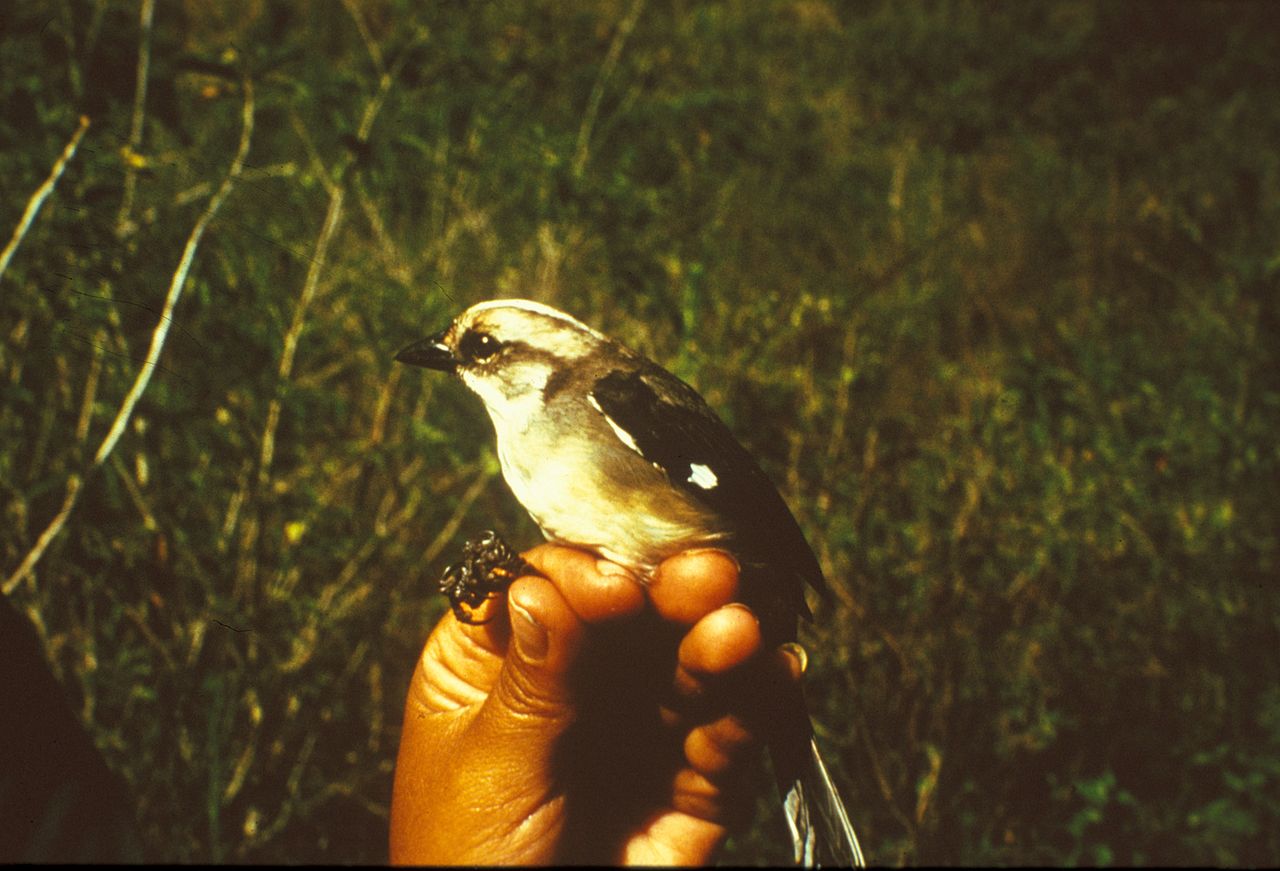
The pale-faced bulbul is a songbird in the bulbul family. It is endemic to the island of Borneo.
Region
Borneo
Typical Environment
Occurs in montane and submontane evergreen forests, including mossy forest, forest edges, and adjacent secondary growth. It frequents ridgelines, stream gullies, and fruiting trees, especially figs. The species typically forages in the mid to upper canopy but will descend to edges and gaps. It is most often encountered in small groups or pairs, sometimes within mixed flocks.
Altitude Range
600–2000 m
Climate Zone
Highland
Ease of Keeping
Beginner friendly: 2/5
The pale-faced bulbul is a medium-sized bulbul recognizable by its contrasting whitish face against olive-brown plumage. It is endemic to the montane forests of Borneo and is often located by its clear, fluty calls. Like many bulbuls, it plays an important role in seed dispersal by consuming a variety of forest fruits. It commonly joins mixed-species flocks while foraging along forest edges and mid-canopy.

Temperament
social and active
Flight Pattern
short rapid wingbeats
Social Behavior
Usually found in pairs or small family groups and frequently joins mixed-species foraging flocks. Builds a small cup nest hidden in dense vegetation, with both parents involved in care. Generally monogamous during the breeding season.
Migratory Pattern
Resident
Song Description
Song is a series of clear, fluty whistles that rise and fall, often delivered from a mid-canopy perch. Calls include sharp chips and mellow chattering notes used to maintain contact within small groups.
Plumage
Olive-brown upperparts with paler, yellow-olive underparts and a distinctly pale, whitish face and throat. Slightly crested appearance with soft, sleek feathers. Subtle dusky moustachial line contrasts with the pale facial area.
Diet
Feeds primarily on small fruits and berries, especially figs, and supplements its diet with insects and other small invertebrates. It gleans prey from foliage and occasionally hawks short distances to catch flying insects. By consuming fruits, it contributes to seed dispersal within montane forests.
Preferred Environment
Forages along forest edges, gaps, and mid- to upper-canopy layers of montane and submontane forests. Often visits fruiting trees and shrubs along ridgelines and near streams.