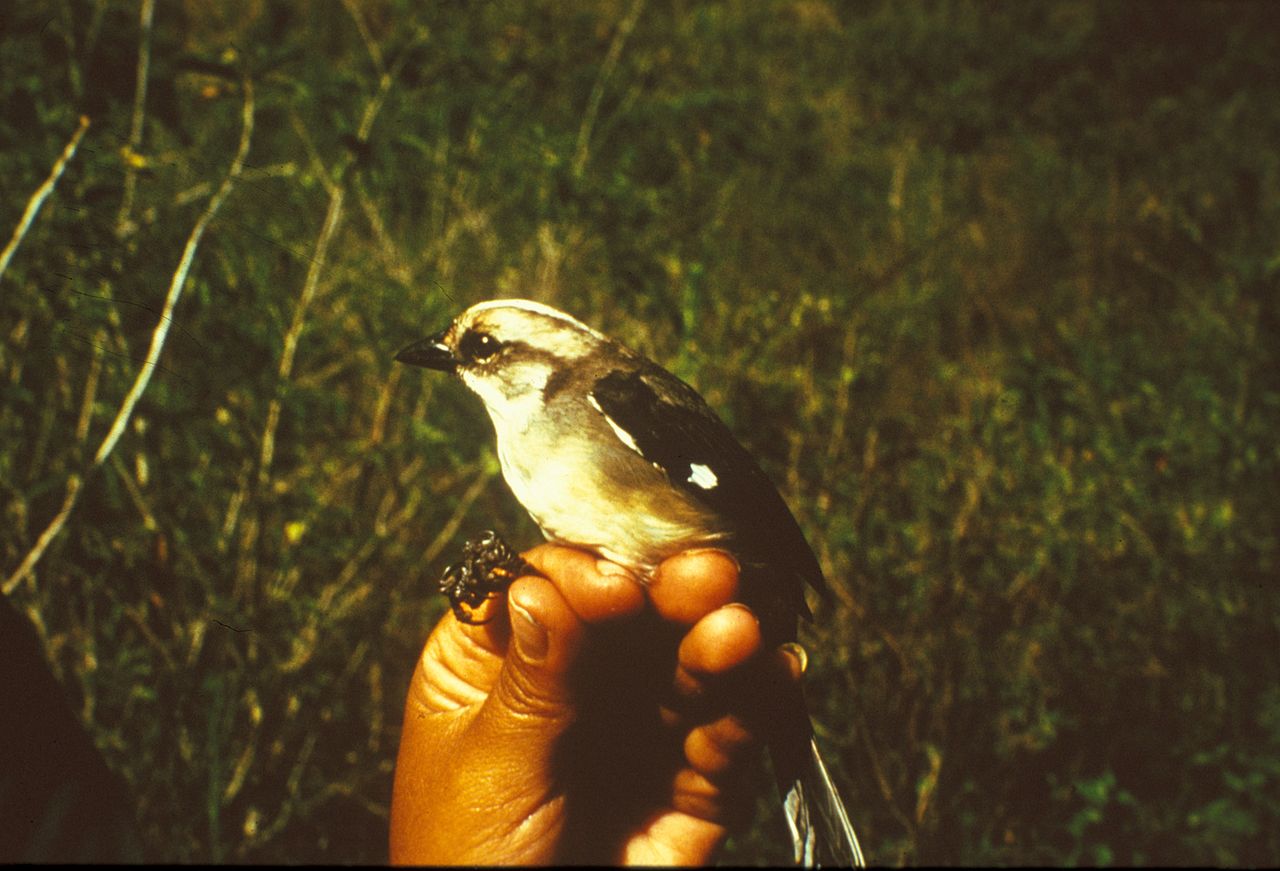
The pale-eyed bulbul, is a species of songbird in the bulbul family of passerine birds. It is found in south-eastern Asia where its natural habitats are tropical moist lowland forest and tropical moist montane forest. It is a common species and the International Union for Conservation of Nature has assessed it as being of "least concern".
Region
Southeast Asia
Typical Environment
Occurs from lowland to hill and lower montane forests across parts of mainland Southeast Asia. It uses primary rainforest, tropical moist secondary growth, forest edges, bamboo thickets, and riparian corridors. The species tolerates selectively logged habitats and will visit fruiting trees in disturbed areas. It is most regularly encountered in the mid-story to canopy but also drops to lower strata when feeding. Local abundance can be high where fruit resources are concentrated.
Altitude Range
Sea level to 1800 m
Climate Zone
Tropical
Ease of Keeping
Beginner friendly: 2/5
The pale-eyed bulbul is a forest songbird noted for its striking pale iris, which contrasts with its olive-brown plumage. It is adaptable and often frequents forest edges and secondary growth, where it plays an important role as a seed disperser. The species is generally common within its range and is assessed as Least Concern. It forages methodically through foliage but will also make short sallies for insects.

Temperament
social and active
Flight Pattern
short rapid wingbeats
Social Behavior
Usually encountered in pairs or small family groups and often joins mixed-species flocks while foraging. Breeding is presumably monogamous, with a neat cup nest placed in low to mid-level vegetation. Both adults participate in brooding and feeding the young.
Migratory Pattern
Resident
Song Description
A series of mellow whistles and chattering phrases delivered from a mid-story perch. Calls include clear, fluty notes and sharper scolds when alarmed. The song carries well through dense foliage.
Plumage
Olive-brown upperparts with paler, buffy underparts and a slightly whitish throat; vent often yellowish-olive. Plumage is smooth and lacks a crest, with faint streaking on the throat or breast in some individuals. The most distinctive feature is the pale whitish to yellow iris.
Diet
Feeds primarily on small fruits and berries, including figs and other soft fruits. Supplements its diet with insects and other small invertebrates, especially during the breeding season. Forages by gleaning from leaves and branches and occasionally makes short sallies to catch flying prey. Its fruit consumption aids in seed dispersal across forest habitats.
Preferred Environment
Most often feeds in the mid-story and canopy at fruiting trees along forest edges and clearings. Regularly visits secondary growth, bamboo, and riparian vegetation where fruit resources are abundant.