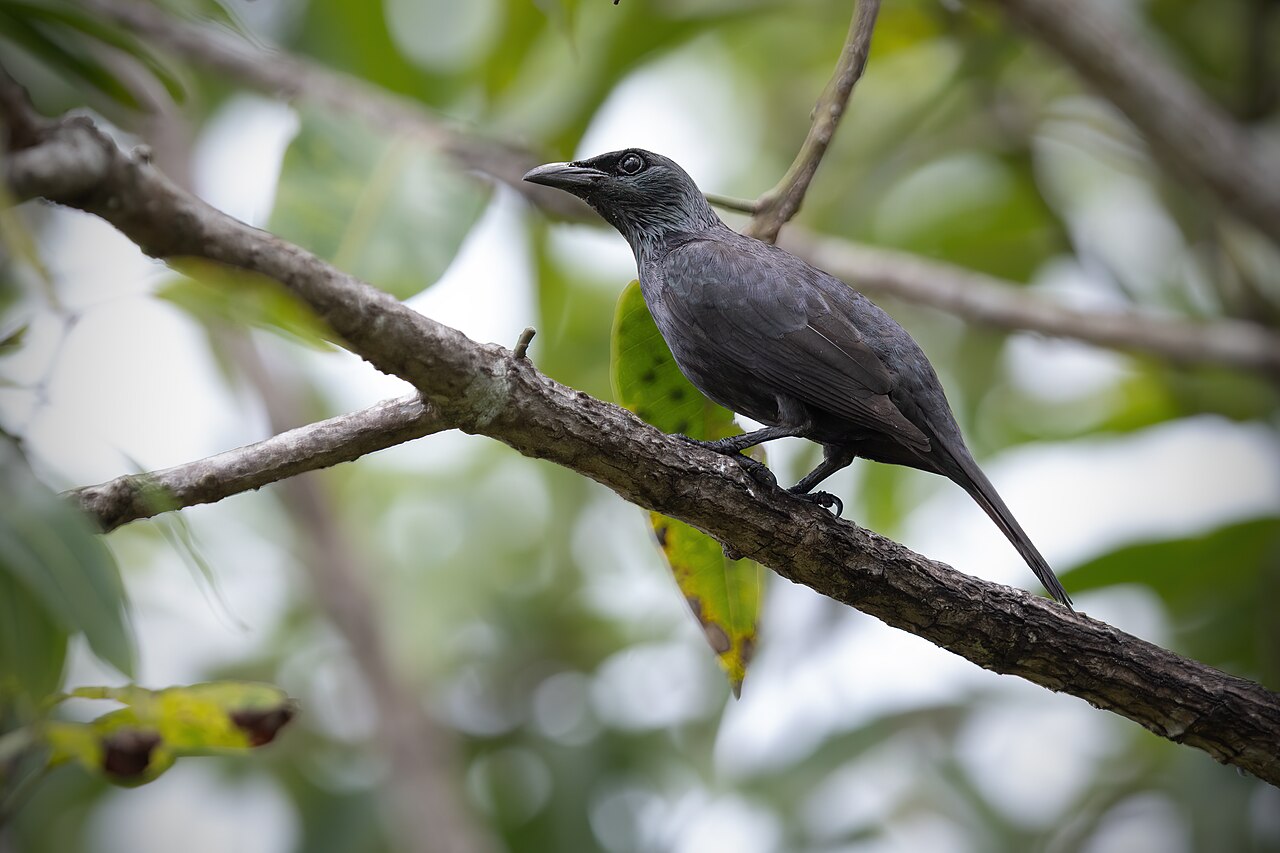
The Moluccan masked owl, also known as the lesser masked owl, is a species of owl in the barn owl family. It is endemic to the south Moluccas of Indonesia. Some taxonomists consider this species to be conspecific with the Australian masked owl.
Region
Maluku (southern Moluccas), Wallacea
Typical Environment
Occurs on islands of the southern Maluku archipelago, favoring lowland and coastal forests, woodland mosaics, and forest edge. It uses secondary growth and sometimes coconut groves or plantations adjacent to native forest. Roost sites are typically large tree cavities, dense foliage, or occasionally man-made structures. Habitat loss from logging and agriculture likely constrains its distribution, concentrating it where mature trees and patchy forest remain.
Altitude Range
Sea level to 800 m
Climate Zone
Tropical
Ease of Keeping
Beginner friendly: 1/5
Also called the lesser masked owl, this barn-owl is endemic to the southern Moluccas of Indonesia and is little known in the wild. Some authorities treat it as conspecific with the Australian masked owl. It hunts quietly from perches along forest edges and often roosts in large tree hollows. Its eerie, rasping screams are most often heard at night.
Temperament
solitary and territorial
Flight Pattern
silent, buoyant wingbeats with short glides
Social Behavior
Primarily solitary outside the breeding season, maintaining territories around key hunting grounds. Nests in large tree cavities, laying a small clutch that both parents attend. Pairs form long-term bonds and are most active around the nest at night.
Migratory Pattern
Resident
Song Description
The voice is a harsh, rasping scream or drawn-out hiss typical of barn-owls, often delivered from a perch. It also gives chattering squeaks and hissing calls near the nest. Vocal activity increases at dusk and during the breeding period.
Plumage
Upperparts dark brown to sooty with fine pale speckling; underparts buff to tawny with scattered dark spotting. Face heart-shaped and pale, bordered by a darker rim, giving a masked look. Legs are feathered, giving a shaggy appearance.
Diet
Feeds mainly on small mammals such as rats and mice, supplemented by small birds, lizards, and large insects. Hunts from concealed perches, dropping onto prey detected by sound and sight. Uses silent flight to quarter edges and open patches adjacent to forest.
Preferred Environment
Frequently hunts along forest margins, clearings, and over lightly wooded farmland or coconut groves. Will forage around villages where rodents are abundant, provided nearby cover is available.