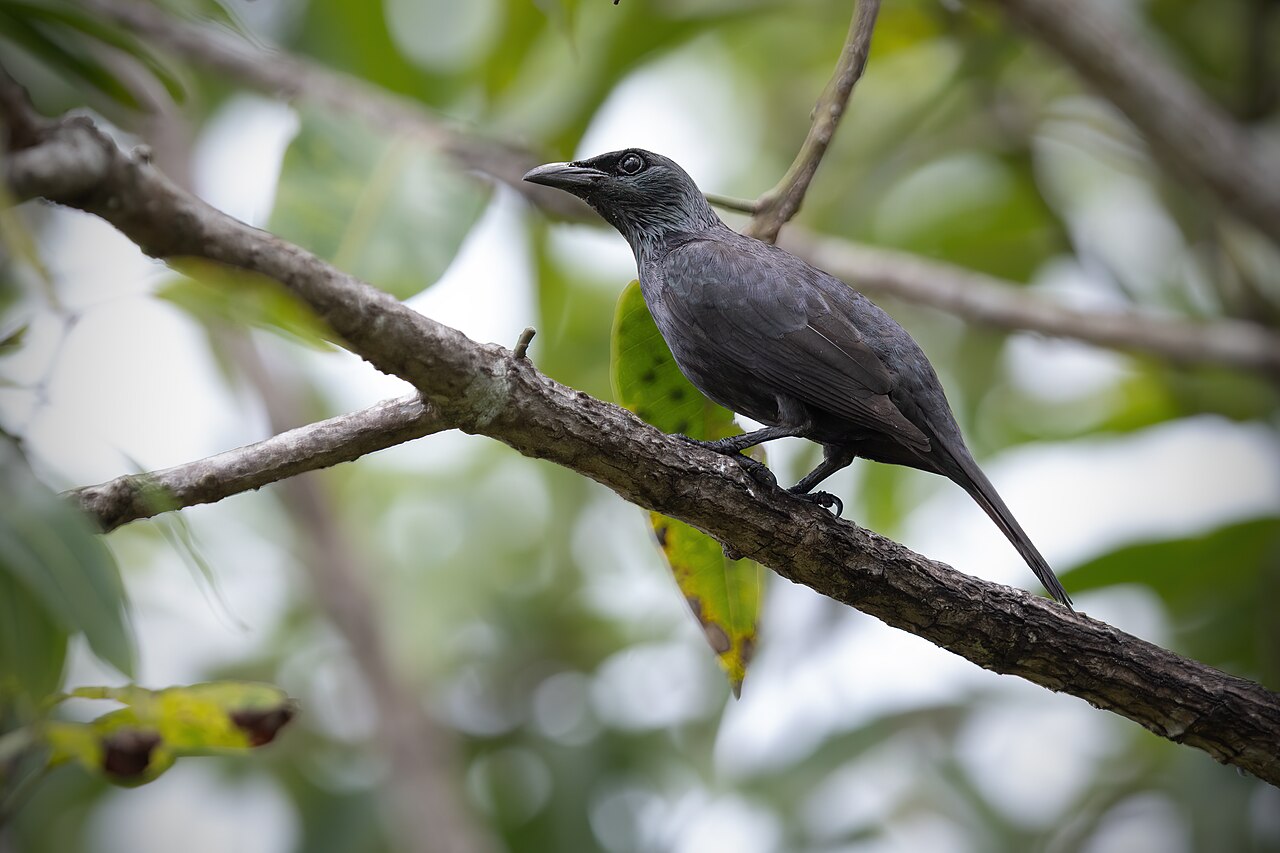
The Moluccan scops owl is an owl found in the Maluku and Lesser Sunda Islands of Indonesia. It closely resembles the Rinjani scops owl.
Region
Wallacea (Maluku and Lesser Sunda Islands)
Typical Environment
Found on multiple islands within the Maluku (Moluccas) and parts of the Lesser Sundas in eastern Indonesia. It occupies lowland and foothill forests, forest edges, and secondary growth, and can occur in gardens and agroforests. The species favors areas with scattered trees and clearings that provide hunting perches. It is generally absent from the most open, treeless habitats but can persist in mosaic landscapes near villages.
Altitude Range
Sea level to 1700 m
Climate Zone
Tropical
Ease of Keeping
Beginner friendly: 1/5
This small scops-owl is endemic to Indonesia, occurring across the Maluku (Moluccas) and parts of the Lesser Sunda Islands. It closely resembles the Rinjani scops owl of Lombok, but differs mainly by its voice and subtle plumage details. Like many scops-owls, it often roosts close to tree trunks where its mottled feathers provide excellent camouflage. It tolerates moderately disturbed habitats and can be heard around villages at night.

Temperament
solitary and territorial
Flight Pattern
short rapid wingbeats with brief glides between perches
Social Behavior
Usually seen alone or in pairs, especially during the breeding season. Nests in natural tree cavities or old woodpecker holes, laying a small clutch of eggs. Both adults participate in raising the young and defend a small territory around the nest.
Migratory Pattern
Resident
Song Description
Voice is a series of low, evenly spaced hoots or soft whistles, often delivered from a concealed perch. Calls are typically repeated for long periods at night and are the best way to detect the species. Vocal differences from nearby island scops-owls help separate it from look-alike species.
Plumage
Cryptic mottled plumage with fine streaks and barring; birds occur in brown or rufous morphs. Compact scops-owl with prominent ear tufts and a defined facial disk.
Diet
Primarily hunts large insects such as moths, beetles, crickets, and katydids. It also takes spiders and occasionally small vertebrates like geckos or small frogs. Prey is usually taken by sallying from a perch or gleaned from foliage and trunks.
Preferred Environment
Forages along forest edges, clearings, secondary growth, and around lights in villages where insects congregate. Often hunts from low to mid-level perches with good visibility into gaps and along paths.