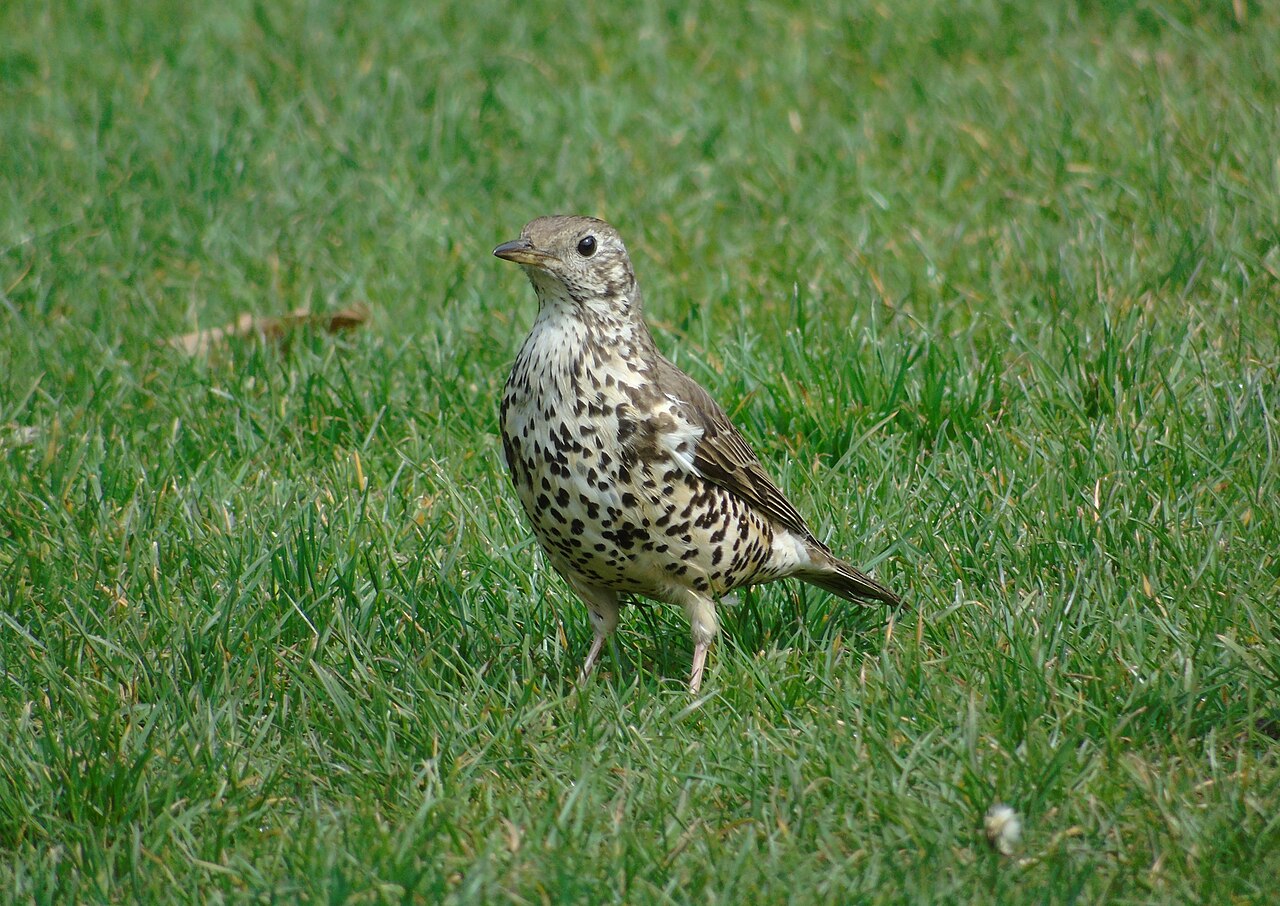
The miombo tit is a species of bird in the family Paridae. It is found in Angola, Democratic Republic of the Congo, Malawi, Mozambique, Tanzania, Zambia, and Zimbabwe. Its natural habitat is subtropical or tropical dry forests.
Region
South-central Africa
Typical Environment
Occurs across miombo woodland belts in Angola, the Democratic Republic of the Congo, Malawi, Mozambique, Tanzania, Zambia, and Zimbabwe. It favors open to moderately dense dry woodland dominated by Brachystegia and Julbernardia. The species uses the mid-story and canopy, and is common along woodland edges, in secondary growth, and occasionally in wooded gardens adjacent to miombo. It avoids closed evergreen forest but tolerates selective logging as long as cavity-bearing trees remain.
Altitude Range
500–2000 m
Climate Zone
Tropical
Ease of Keeping
Beginner friendly: 1/5
The miombo tit is closely tied to the miombo woodlands dominated by Brachystegia and Julbernardia trees. It frequently joins mixed-species foraging flocks, moving nimbly through the canopy to glean insects. A cavity nester, it uses natural holes or old woodpecker burrows in dead or living trees. Its adaptability to lightly disturbed woodland helps it persist where selective logging occurs.


Temperament
active and alert
Flight Pattern
short rapid wingbeats between trees
Social Behavior
Usually found in pairs or small family groups and often joins mixed-species flocks while foraging. It nests in natural cavities or old woodpecker holes, lining the nest with soft fibers. Pairs are likely monogamous and defend territories during breeding.
Migratory Pattern
Resident
Song Description
A series of clear whistles and sharp scolding notes typical of tits, often delivered from mid-canopy perches. Contact calls are short, high-pitched tsee or tzip notes repeated in quick sequences.
Plumage
Clean grey upperparts and underparts with a contrasting black head and throat, and a crisp white cheek patch. Wings are dusky with a distinct pale or white wing panel; tail is dark with subtle pale edging.
Diet
Primarily feeds on insects and other arthropods, gleaned from leaves, twigs, and bark. It takes caterpillars, beetles, spiders, and larvae, occasionally probing into curled leaves or crevices. Seeds and small fruits may be taken opportunistically, especially outside peak insect seasons.
Preferred Environment
Forages mostly in the mid to upper canopy of miombo trees, especially Brachystegia. Often works along woodland edges and in mixed-species flocks where prey is flushed or more easily detected.