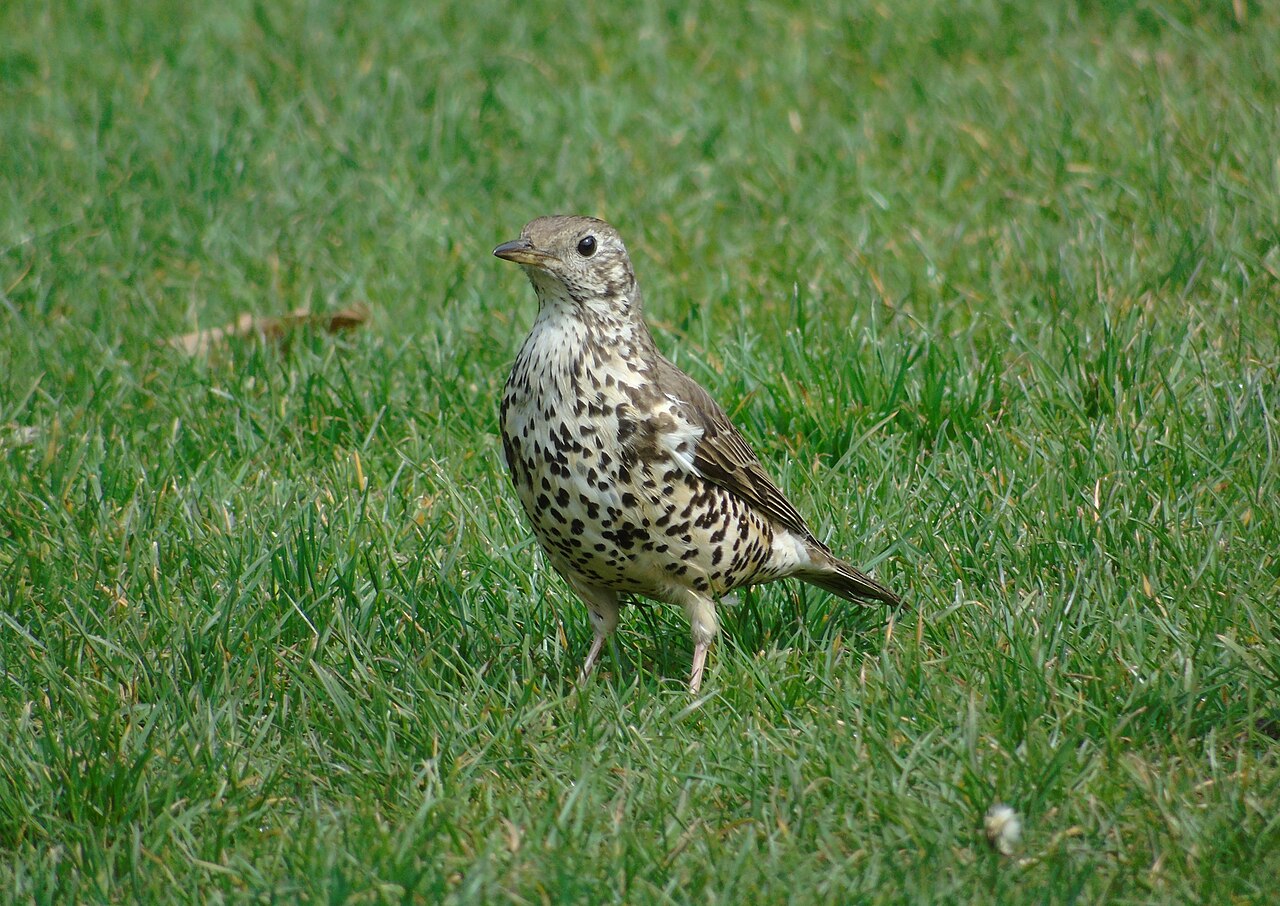
The Mishana tyrannulet is a species of bird in the family Tyrannidae, the tyrant flycatchers. It is endemic to Peru.
Region
Upper Amazon Basin (northern Peru)
Typical Environment
Occurs patchily in nutrient-poor white-sand forests and adjacent stunted woodland near Iquitos. Prefers varillal and campina habitats with low, scrubby canopy and dense foliage. Often uses edges, natural gaps, and trail margins where insect prey is abundant. The species’ distribution is highly localized, tracking scattered white-sand outcrops within the Loreto region.
Altitude Range
80–250 m
Climate Zone
Tropical
Ease of Keeping
Beginner friendly: 1/5
This small tyrant flycatcher is confined to white-sand (varillal/campina) forests near Iquitos, Peru, especially around the Allpahuayo–Mishana National Reserve. It is best identified by its very high-pitched, thin call notes, as its plumage closely resembles other Zimmerius tyrannulets. It often joins mixed-species flocks in the canopy and midstory. Habitat specialization and a tiny range make it sensitive to deforestation and fire.


Temperament
active and alert
Flight Pattern
short rapid wingbeats
Social Behavior
Usually found singly or in pairs, frequently accompanying mixed-species flocks in the midstory and canopy. Likely builds a small cup nest concealed in foliage; breeding presumed during the wetter season. Territorial calls are given from exposed perches within white-sand forest patches.
Migratory Pattern
Resident
Song Description
Voice is a series of very high, thin, sibilant notes and brief trills, often delivered in quick sequences. Calls can be nearly ultrasonic to human ears, making aural detection easier with recordings.
Plumage
Small, olive-green above with dusky wings and two pale wingbars; underparts yellow to yellowish-olive with a slightly paler throat. Feathers are smooth and neat, giving a clean, compact look typical of tyrannulets.
Diet
Primarily hawks and gleans small insects such as flies, beetles, and caterpillars, and also takes spiders. Forages by sallying from perches and by picking prey from leaves and twigs. May occasionally consume tiny berries, but animal prey dominates.
Preferred Environment
Feeds in the midstory to canopy of white-sand forest and at edges and gaps where prey is concentrated. Often forages along trails and sunlit openings within stunted woodland.