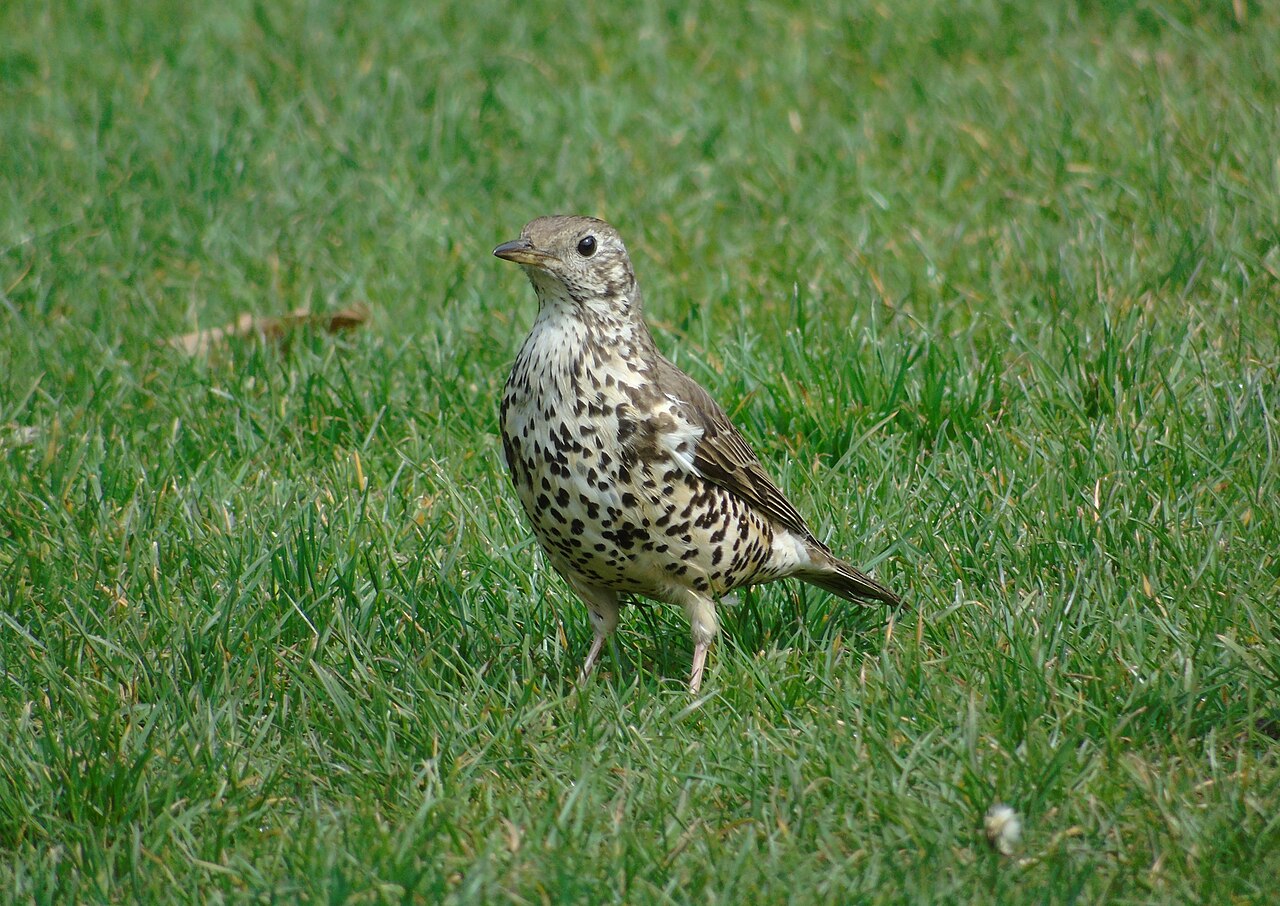
The miombo wren-warbler, also known as the miombo barred warbler or pale wren-warbler, is a species of bird in the family Cisticolidae found in southern Africa.
Region
South-central Africa
Typical Environment
Occurs across the Zambezian miombo belt, including parts of Angola, Tanzania, Malawi, Mozambique, Zambia, and Zimbabwe. It favors dry deciduous Brachystegia–Julbernardia woodlands with a well-developed shrub layer. The species also uses thickets, woodland edges, and secondary growth, especially where leaf litter and low cover are abundant. It is generally sedentary within suitable habitat, making short local movements as resources change.
Altitude Range
500–1700 m
Climate Zone
Tropical
Ease of Keeping
Beginner friendly: 1/5
Also called the miombo barred warbler or pale wren-warbler, this small cisticolid is closely tied to Zambezian miombo woodlands. It often stays low in dense scrub and is more often heard than seen, delivering sharp, ringing notes and duets. It was formerly treated by some authorities as a form of the barred wren-warbler but is now widely recognized as distinct.

Temperament
skulking and wary
Flight Pattern
short rapid wingbeats, low and direct between cover
Social Behavior
Usually seen singly, in pairs, or small family groups. Pairs maintain territories year-round in dense woodland undergrowth. Nesting is in well-concealed low shrubs or tangles, with both partners involved in territory defense and vocal duetting.
Migratory Pattern
Resident
Song Description
Song consists of clear, ringing notes and short trills, often delivered in antiphonal duets between mates. Calls include sharp ticks and churring scolds from deep cover.
Plumage
Pale grey-brown upperparts with fine barring and a whitish to buffy underbody marked by delicate dark bars on the breast and flanks. Long, slightly graduated tail often shows pale outer feathers and subtle barring. The throat is paler, and a faint pale supercilium may be visible in good light.
Diet
Feeds mainly on small arthropods such as beetles, caterpillars, ants, and spiders. It gleans methodically from leaves, twigs, and bark, and occasionally probes leaf litter. Short sallying flights are used to snatch prey flushed from low vegetation.
Preferred Environment
Forages in dense miombo understory, thorny thickets, and woodland edges where cover is continuous. Often remains within 1–3 meters of the ground and uses leaf litter and fallen branches as hunting microhabitats.