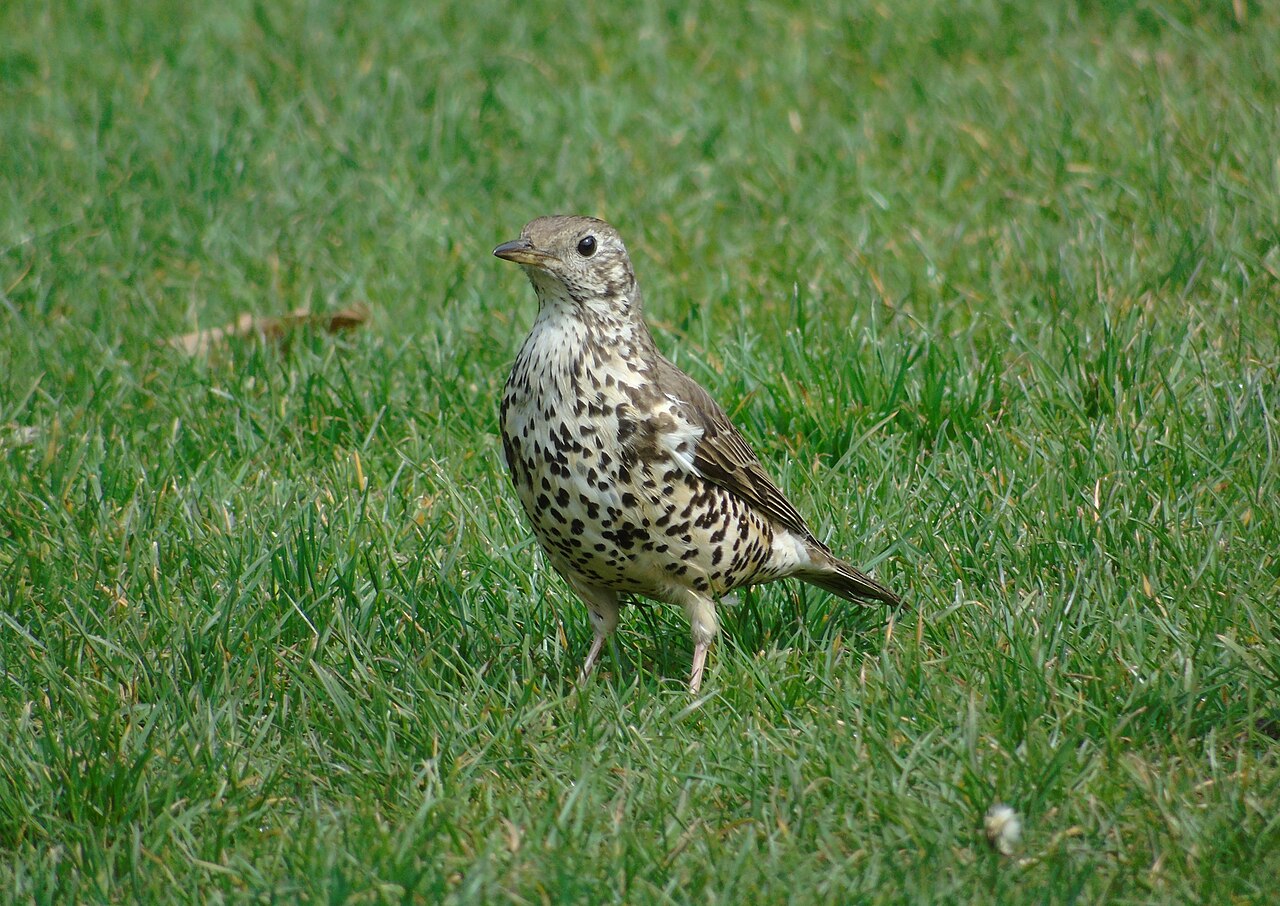
The miombo scrub robin is a species of bird in the family Muscicapidae. It is found in Angola, Burundi, Democratic Republic of the Congo, Malawi, Mozambique, Tanzania, and Zambia. This species was formerly placed in the genus Cercotrichas.
Region
South-central Africa
Typical Environment
Occupies miombo woodlands dominated by Brachystegia and Julbernardia across Angola, the southern Democratic Republic of the Congo, Malawi, Mozambique, Tanzania, and Zambia, with local occurrence in adjacent countries. It favors dry, open to moderately dense woodland with a well-developed shrub layer and leaf litter. Often found along woodland edges, in secondary scrub, and in riparian thickets within the miombo zone. Avoids dense rainforest and very open treeless grasslands, but tolerates lightly modified habitats and clearings near woodland. After rains, it may concentrate around termite emergences.
Altitude Range
500–1800 m
Climate Zone
Tropical
Ease of Keeping
Beginner friendly: 1/5
A woodland specialist of the miombo belt, this scrub robin keeps close to leaf-littered ground and low thickets where it flicks its rufous tail while foraging. Taxonomy varies among authorities, with some placing it in Erythropygia and others in Cercotrichas. It is generally common in suitable habitat and benefits from lightly disturbed woodland and secondary growth. Its clear, whistled song carries well at dawn during the breeding season.

Temperament
secretive but active
Flight Pattern
short rapid wingbeats with low, darting flights
Social Behavior
Typically found singly or in pairs, maintaining territories in suitable woodland. Breeding pairs are monogamous; a cup-shaped nest is placed low in a shrub or tangles. The female primarily incubates while both parents feed the young. Outside breeding, it remains fairly solitary and uses regular song perches within its territory.
Migratory Pattern
Resident
Song Description
Delivers clear, mellow whistles and short, melodious phrases, often repeated from a low perch. The song is most frequent at dawn and dusk and may include brief mimicry of other woodland birds.
Plumage
Warm brown to grey-brown upperparts with fine streaking on the breast and a paler, buffy to whitish belly; rufous rump and tail with a darker subterminal band and pale tips to outer feathers.
Diet
Feeds mainly on ground-dwelling and low foliage invertebrates such as beetles, ants, termites, caterpillars, and spiders. Will take termite alates in numbers after rains and occasionally snaps small prey flushed by its own tail-flicking. Rarely consumes small berries or seeds incidentally.
Preferred Environment
Forages on or near the ground in leaf litter, among low bushes, and along woodland edges and paths. Frequently probes under fallen leaves and around termite mounds and logs within miombo woodland.