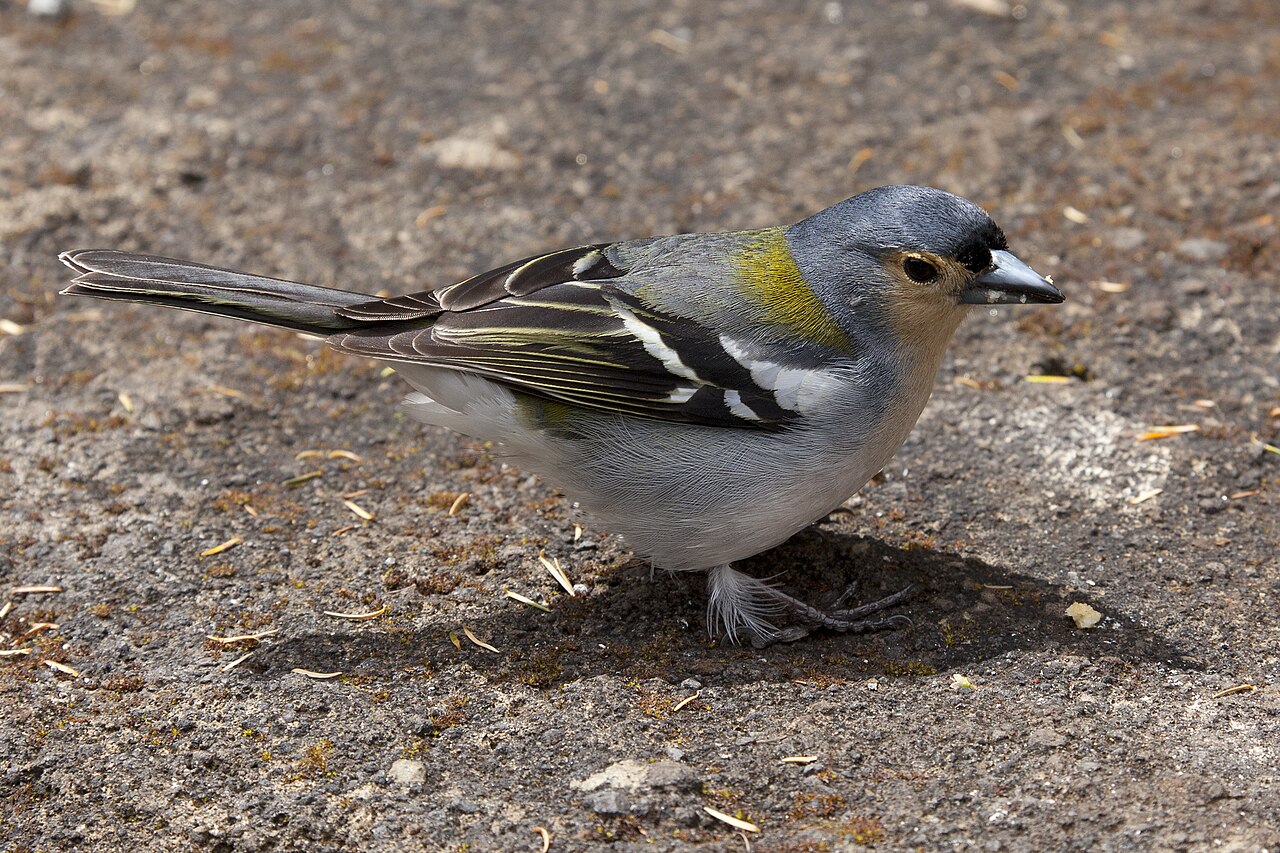
The Madagascar starling (Hartlaubius auratus) is a species of starling in the family Sturnidae. It is endemic to Madagascar.[Commonly placed in the monotypic genus Hartlaubius, the Madagascan starling is also sometimes placed in the genus Saroglossa (as Saroglossa aurata), which otherwise only contains the spot-winged starling (S. spilopterus).[2] The Madagascar Starling often resides in wooded areas,seen eating various fruits and insects, and are a brown colored bird with accents of white and black on different parts of the body.[
Region
Madagascar
Typical Environment
Occurs widely in Madagascar’s remaining humid evergreen forests, forest edges, and secondary growth. It uses forest interiors but readily visits edges, clearings, and agroforestry plots with fruiting trees. The species also appears in wooded ravines and along riverine corridors. It typically forages from lower to mid-canopy levels but will descend to feed in fruiting shrubs.
Altitude Range
Sea level to 1800 m
Climate Zone
Tropical
Ease of Keeping
Beginner friendly: 1/5
The Madagascar starling is the sole member of the genus Hartlaubius, though it is sometimes placed in Saroglossa by some taxonomies. It plays an important role as a seed disperser in Madagascar’s forest ecosystems. Often joining mixed-species flocks, it forages actively from the mid-story to the canopy. Its conservative plumage contrasts with the typically glossy starlings of mainland Africa.


Temperament
social and active
Flight Pattern
short rapid wingbeats with direct, purposeful flight
Social Behavior
Typically seen in pairs or small groups and often associates with mixed-species foraging flocks. Nests are likely placed in cavities or protected crevices, with both parents participating in care. Outside the breeding season, small flocks form around fruiting trees.
Migratory Pattern
Resident
Song Description
A series of clear whistles, chatters, and short trills delivered from perches in the mid- to upper canopy. Calls include sharp contact notes used to keep group cohesion while foraging.
Plumage
Mostly brown with a subtle satin sheen, darker wings and tail, and a contrasting pale patch on the wing; underparts paler brown to buff.
Diet
Consumes a mix of fruits and berries (including figs) and a variety of insects such as beetles, caterpillars, and orthopterans. Will also take other small invertebrates gleaned from foliage and bark. By swallowing fruits whole and passing seeds, it aids forest regeneration.
Preferred Environment
Forages in forest edges, secondary woodland, and canopy gaps where fruiting trees are abundant. Frequently moves along mid-canopy branches and joins mixed flocks around seasonal fruit sources.