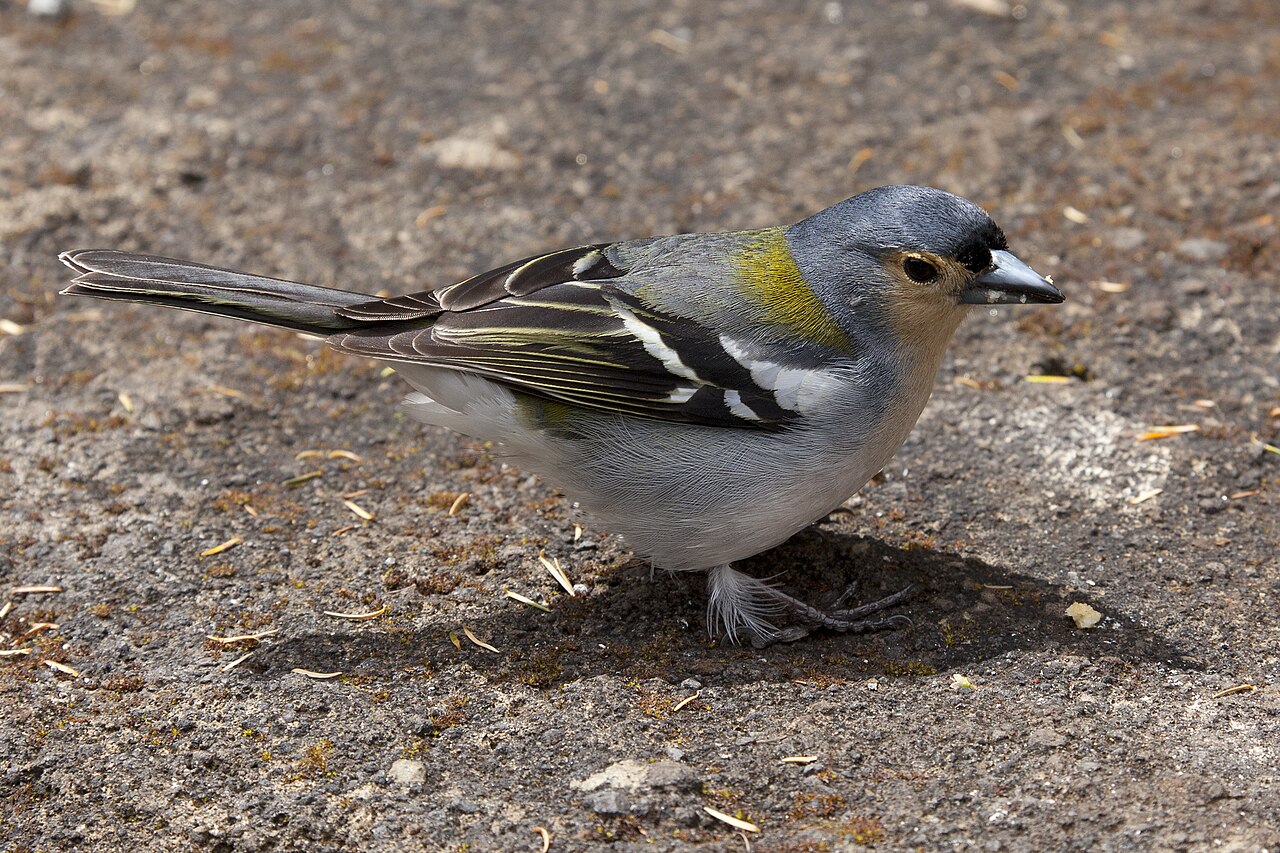
The Madagascan yellowbrow, also known as the yellow-browed oxylabes, is a species of Malagasy warbler, formerly placed in the family Sylviidae. Found only in Madagascar, it is the sole member of the genus Crossleyia. Its natural habitat is subtropical or tropical moist montane forests. It is threatened by habitat loss.
Region
Eastern Madagascar
Typical Environment
Occurs in humid montane rainforest along the eastern escarpment of Madagascar, where mossy forest, ravines, and bamboo thickets provide dense cover. Most frequently found in shaded understory near streams and in tangled vine layers. It keeps close to the ground or low shrubs, moving through thickets with quick, furtive hops. The species tolerates lightly disturbed forest edges but depends on substantial intact understory structure.
Altitude Range
800–1900 m
Climate Zone
Highland
Ease of Keeping
Beginner friendly: 1/5
Also called the yellow-browed oxylabes, it is the sole member of the genus Crossleyia and belongs to the Malagasy warbler family (Bernieridae). It skulks in dense undergrowth of montane rainforests and is more often heard than seen. Although not currently considered globally threatened, it is sensitive to ongoing habitat loss and fragmentation in Madagascar’s highland forests.

Temperament
secretive and active
Flight Pattern
short rapid wingbeats
Social Behavior
Usually seen singly, in pairs, or small family groups, often foraging low in dense vegetation. Territorial during breeding season, with nests placed low and well concealed in thick cover. Likely monogamous, and may join mixed-species flocks outside of breeding when moving through the understory.
Migratory Pattern
Resident
Song Description
Song is a series of thin, high-pitched notes and short trills delivered from cover, sometimes accelerating. Calls include sharp chips and scolding notes used while foraging in dense undergrowth.
Plumage
Olive to olive-brown upperparts with paler, slightly buff underparts and a clean, lighter throat. Texture appears smooth with subtle shading rather than bold patterning, aiding camouflage in leaf litter and understory.
Diet
Feeds primarily on insects and other small arthropods such as spiders, gleaned from leaves, twigs, moss, and leaf litter. Probes into tangled vines and bamboo, and may pick prey from bark crevices. Foraging is methodical and low to the ground, with occasional quick sallies within the understory.
Preferred Environment
Dense, shaded understory of montane rainforest, including thickets, bamboo stands, and streamside tangles. Often forages along forested ravines and edges where leaf litter and moss are abundant.