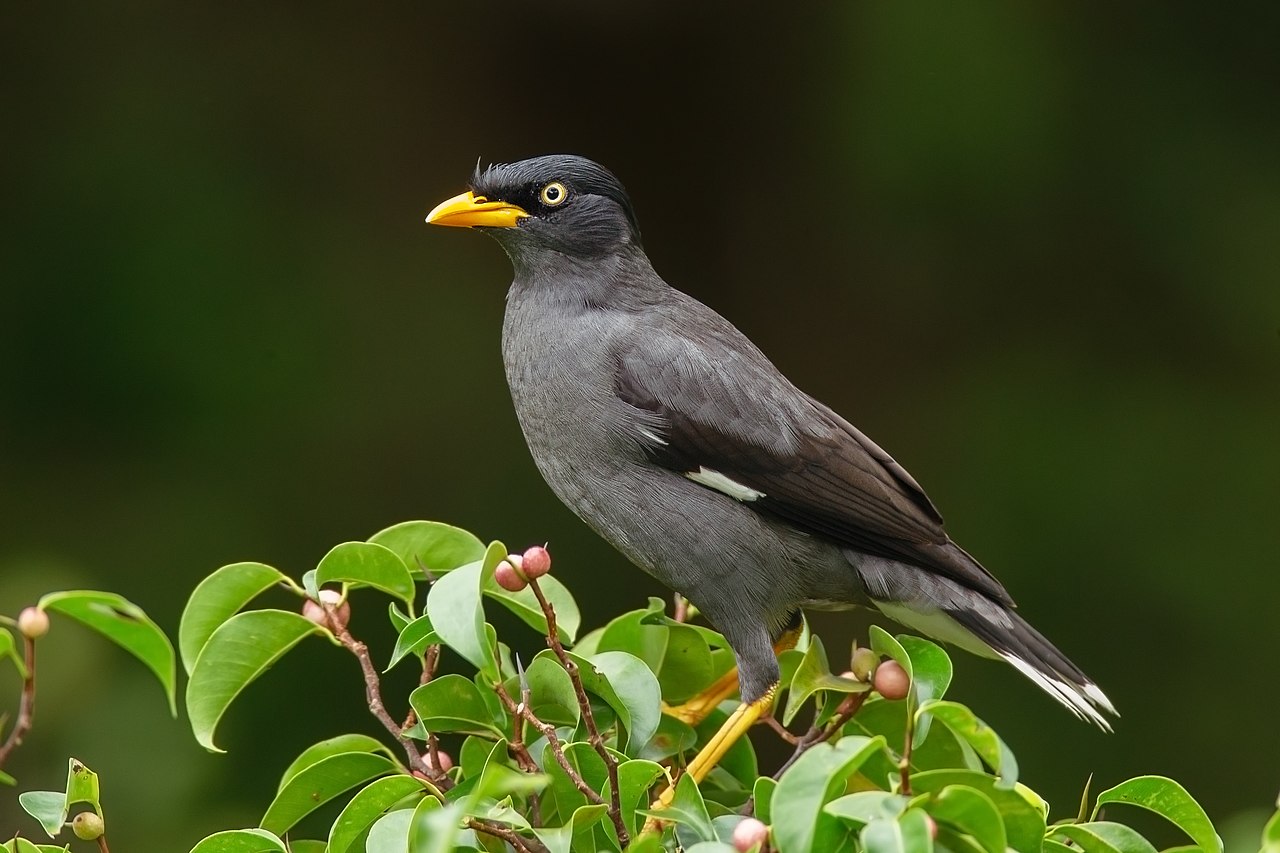
The Javan lapwing also known as Javanese lapwing and Javanese wattled lapwing is a wader in the lapwing family.
Region
Java, Indonesia
Typical Environment
Historically confined to lowland wetlands on Java, including open marshes, wet meadows, and river floodplains with sandy or muddy margins. It frequented sparsely vegetated areas near water, often using exposed sandbars and wet grasslands for foraging. Breeding was associated with open ground and short vegetation suitable for ground nesting. Intensive agriculture, drainage, and human disturbance have severely altered these habitats. Any remaining occurrence, if extant, would likely be in remote, lightly disturbed wetland mosaics.
Altitude Range
Sea level to 500 m
Climate Zone
Tropical
Ease of Keeping
Beginner friendly: 1/5
The Javan lapwing, also called the Javanese lapwing or Javanese wattled lapwing, is a large, distinctive wader of the lapwing family Charadriidae. It is likely Critically Endangered and possibly extinct, with the last confirmed records in the mid-20th century despite repeated surveys. Its decline is linked to loss and disturbance of lowland wetlands and riverine habitats on Java. The species was notable for its facial wattles and bold head pattern.

Temperament
wary and alert
Flight Pattern
strong flier with broad, deliberate wingbeats
Social Behavior
Typically found singly or in pairs during the breeding season, with small loose groups forming in non-breeding periods. Nests on the ground in open areas, laying camouflaged eggs in a shallow scrape. Both parents likely participate in territorial defense and distraction displays to deter predators.
Migratory Pattern
Resident
Song Description
Vocalizations are sharp, piercing lapwing-like calls, often given in flight or when alarmed. Calls carry over open wetlands and include repeated, insistent notes used during territorial displays.
Plumage
A large, dark-toned lapwing with sooty-brown upperparts, contrasting whitish underparts, and a bold head pattern including a dark cap and pale supercilium. Shows a narrow dark breast band and clean white belly when seen in flight or at rest. Wings are broad with striking contrast in flight.
Diet
Primarily takes invertebrates such as insects, larvae, worms, and small crustaceans picked from wet soil and shallow water. Forages by walking and pecking, sometimes using brief probes in soft mud. May employ foot-trembling to flush prey. Diet composition likely shifts with seasonal water levels and prey availability.
Preferred Environment
Feeds on exposed mudflats, damp meadows, marsh edges, and riverine sandbars where substrate is soft and sparsely vegetated. Often forages near shallow water and along the margins of pools or slow-flowing channels.