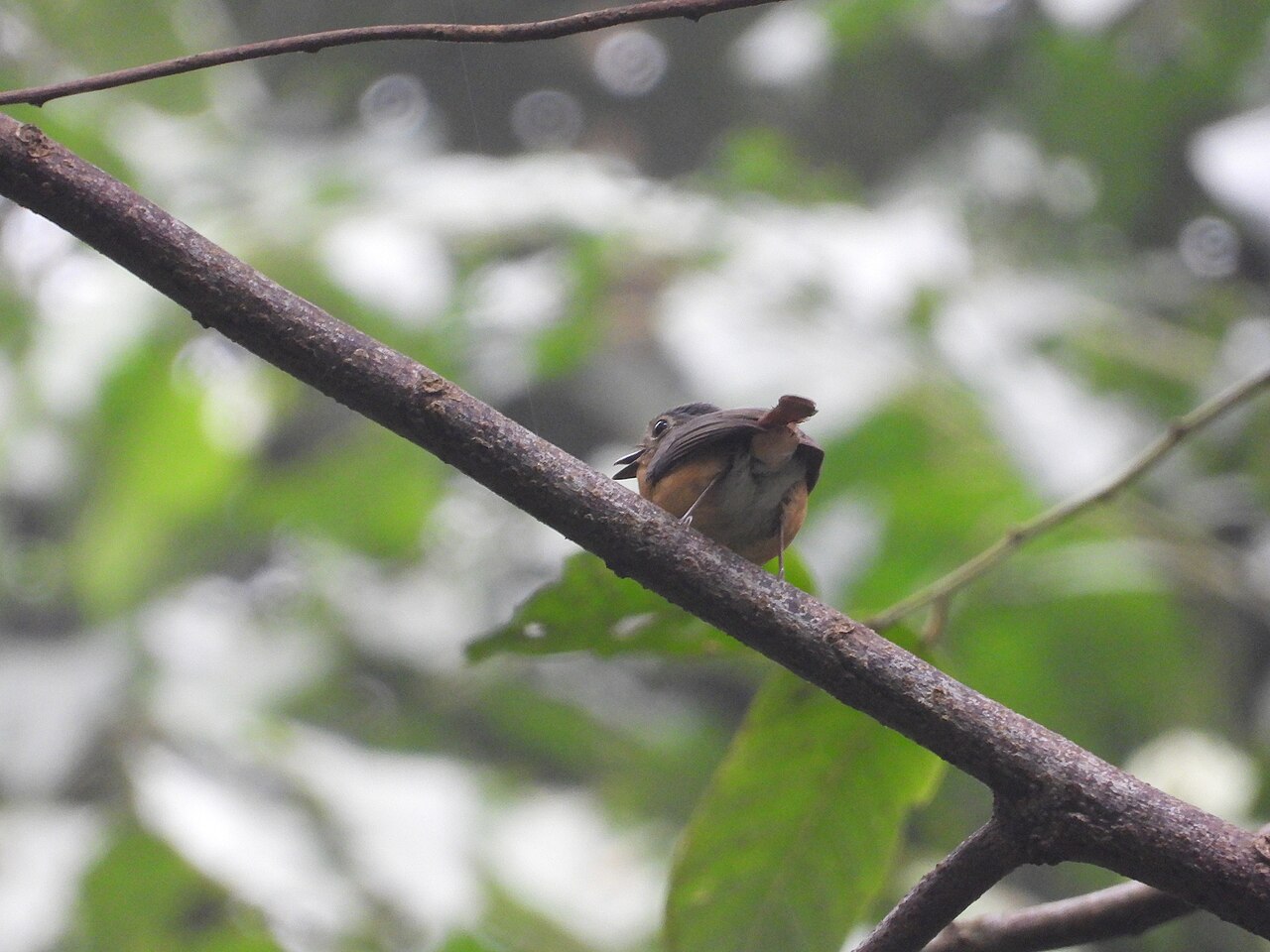
The Japanese thrush is a species of bird in the thrush family Turdidae. The species is also known as the grey thrush or the Japanese grey thrush. The species was once split into two subspecies, with birds breeding in China being treated as the subspecies T. c. lateus,, but today differences are attributed to natural variation and the species is treated as being monotypic.
Region
East and Southeast Asia
Typical Environment
Breeds mainly in temperate broadleaf and mixed forests of Japan (particularly Honshu, Shikoku, and Kyushu) and locally in Korea and eastern China. Prefers cool, moist woodlands with dense undergrowth, ravines, and streamside groves. In the non-breeding season it winters farther south in southern China, Taiwan, and parts of northern mainland Southeast Asia. During migration it can appear in secondary growth, wooded parks, and plantations.
Altitude Range
0–2200 m
Climate Zone
Temperate
Ease of Keeping
Beginner friendly: 1/5
Also called the grey thrush, the Japanese thrush is a monotypic species in the family Turdidae. Males are strikingly dark above with crisp white underparts, while females are browner and more heavily marked. It breeds in temperate forests of Japan and nearby East Asia and migrates to warmer regions in winter. Its clear, fluty song carries well from mid-canopy perches in spring and early summer.


Temperament
shy and secretive
Flight Pattern
short rapid wingbeats, low and direct through forest
Social Behavior
Typically solitary or in pairs during the breeding season, defending small territories. Builds a cup-shaped nest on a branch or in a fork, usually several meters above ground. Clutch size is commonly 3–5 eggs; the female incubates while both parents feed the nestlings. Outside breeding, may join loose foraging flocks around fruiting trees.
Migratory Pattern
Seasonal migrant
Song Description
A clear, fluty series of melodious phrases delivered from mid to upper canopy perches. Call notes include sharp metallic ticks and thin seep notes, especially when alarmed or in flight.
Plumage
Male with black to blackish-grey head and upperparts, white underparts with bold dark spotting on the breast and flanks; female is brownish-grey above with paler, more heavily streaked underparts. Both sexes show clean white belly and contrasting darker sides.
Diet
Takes a wide range of invertebrates, including beetles, caterpillars, ants, and earthworms, gleaned from the leaf litter and low vegetation. In autumn and winter it consumes many berries and small fruits such as those of Ilex and Viburnum. Will also pick snails and other small prey when available.
Preferred Environment
Forages mostly on the forest floor and along stream margins within dense woodland. In the non-breeding season it readily visits fruiting trees and shrubs at forest edges and in semi-natural parks.