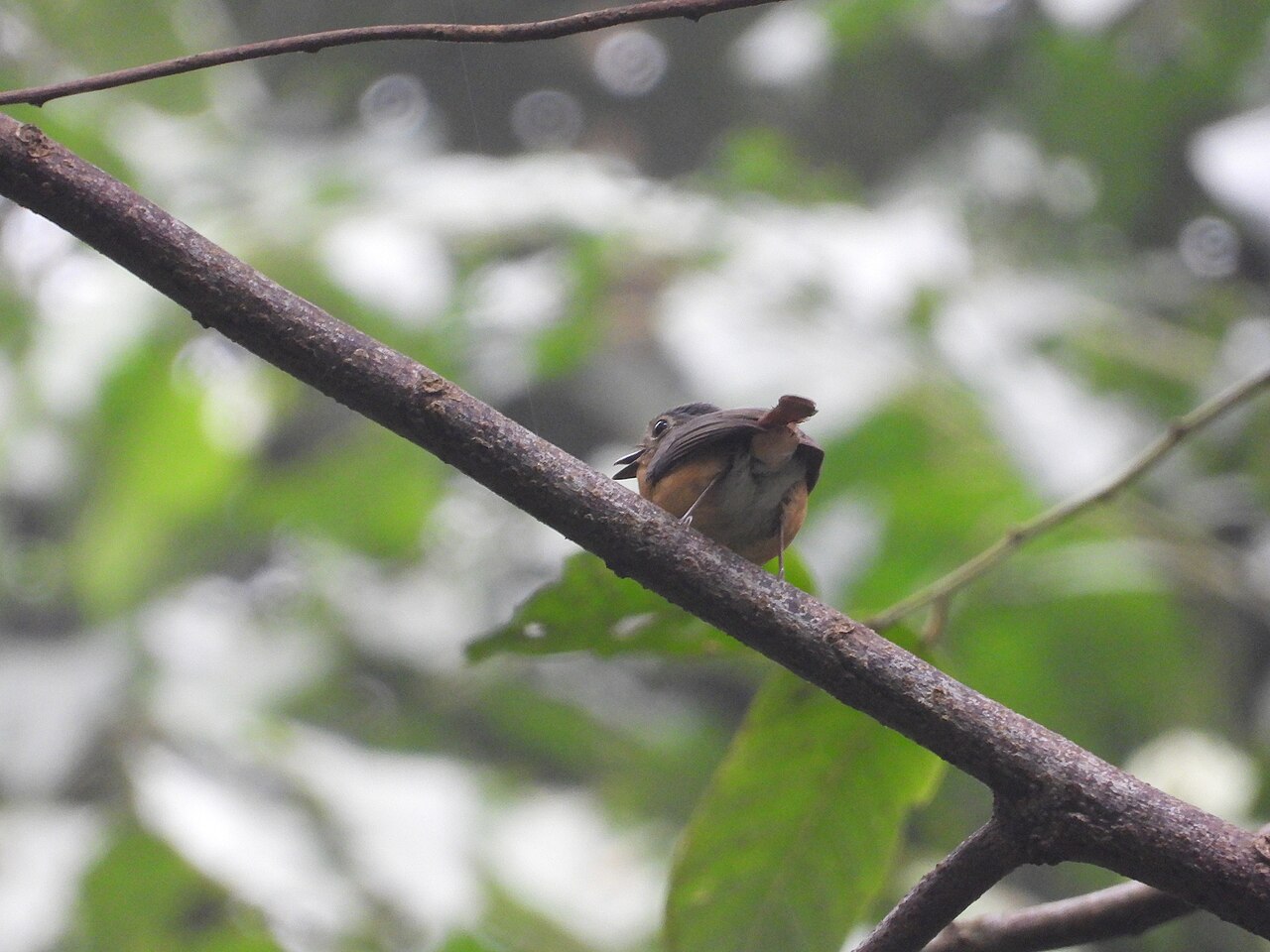
The Javan banded pitta is a species of bird in the family Pittidae. It is found in Java and Bali. It was formerly considered conspecific with the Bornean and Malayan banded pittas. Together, they were referenced as the banded pitta.
Region
Sunda Islands (Java and Bali)
Typical Environment
Occurs in lowland and foothill evergreen forests, dense secondary growth, and well-shaded plantations with thick understory. It favors damp gullies, bamboo thickets, and areas with deep leaf litter where prey is abundant. The species tolerates moderately disturbed habitats if cover remains, but is most numerous in larger forest tracts. It is generally sedentary within territories, using the same foraging routes along the forest floor.
Altitude Range
Sea level to 1200 m
Climate Zone
Tropical
Ease of Keeping
Beginner friendly: 1/5
A striking ground-dwelling pitta of Java and Bali, the Javan banded pitta is famed for the male’s vivid bands of orange, black, and blue. It forages quietly on the forest floor, flicking aside leaf litter for hidden invertebrates and often freezes motionless when disturbed. Habitat loss and trapping for the cage-bird trade pose ongoing pressures on this Indonesian endemic.


Temperament
secretive and shy
Flight Pattern
short rapid wingbeats, low and direct
Social Behavior
Usually solitary or in pairs, maintaining territories on the forest floor. Nests are dome-shaped structures of leaves and rootlets placed low in dense cover. Both parents share incubation and chick-rearing duties. Breeding typically aligns with wetter months when invertebrate prey is plentiful.
Migratory Pattern
Resident
Song Description
The male gives a clear, far-carrying series of mellow whistles, often delivered from a concealed perch. Phrases are repeated at intervals and may accelerate or rise slightly in pitch. Soft contact notes and sharp alarm calls are used at close range.
Plumage
Male is boldly patterned with bright bands across the head, breast, and flanks; female is more brown and heavily barred, offering excellent camouflage. Both sexes have compact bodies, short rounded wings, and a short tail typical of pittas.
Diet
Primarily hunts insects and other invertebrates such as ants, beetles, termites, spiders, worms, and small snails. It searches by hopping and pausing, probing the leaf litter and picking prey from the ground and low logs. Occasional small fruits or seeds may be taken opportunistically.
Preferred Environment
Feeds on shaded forest floors with deep leaf litter, especially near stream edges, bamboo stands, and dense thickets. Uses cover to remain concealed while foraging along habitual routes.