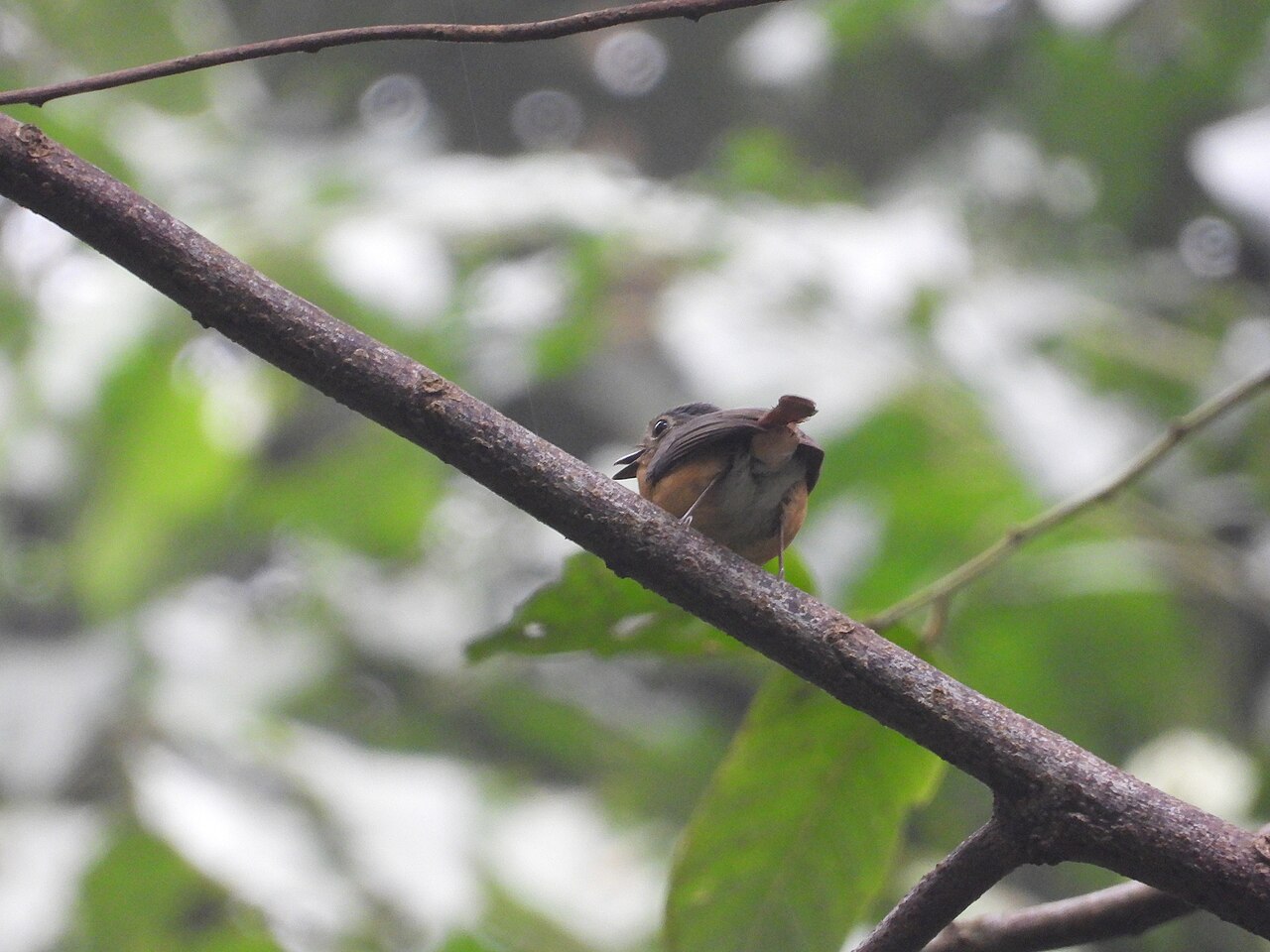
The Japanese wagtail is a species of bird in the pipit and wagtail family Motacillidae. It is native to Japan and Korea.
Region
East Asia
Typical Environment
Primarily found throughout the main islands of Japan and parts of the Korean Peninsula, with occasional vagrants to nearby East Asian coasts. It favors clear rivers, streams, and lakeshores, as well as canals and harbor edges in towns and cities. The species uses gravel bars, rock edges, and man‑made embankments for foraging and nesting. It also occurs in agricultural lowlands with open water and along coastal flats during winter.
Altitude Range
Sea level to 1800 m
Climate Zone
Temperate
Ease of Keeping
Beginner friendly: 1/5
This striking black-and-white wagtail is strongly associated with fast-flowing streams and urban waterways in Japan and Korea. It constantly pumps its long tail while walking, a behavior thought to flush prey and signal alertness. Pairs often nest on human structures such as bridge ledges and culverts.

Temperament
alert and active
Flight Pattern
undulating with short rapid wingbeats
Social Behavior
Typically seen singly or in pairs holding linear territories along waterways, especially in the breeding season. Monogamous pairs build cup nests on ledges, banks, or under bridges. Outside the breeding season small loose groups may form at good feeding sites and communal roosts.
Migratory Pattern
Resident
Song Description
Song is a short, bright series of chipping phrases delivered from perches or during display flights. Calls are sharp, metallic tsip or chissick notes given frequently in flight and while foraging.
Plumage
Crisp black-and-white contrast with a glossy black head, back, throat, and breast, and clean white underparts. Long, constantly wagged tail with white outer feathers. White supercilium and facial highlights are prominent; wings show pale fringes creating a subtly barred look.
Diet
Feeds mainly on aquatic and terrestrial insects such as mayflies, caddisflies, midges, beetles, and their larvae. It also takes small crustaceans and other invertebrates picked from shorelines and surface film. Prey is gleaned by quick dashes, short sallies, and pecking among rocks and debris.
Preferred Environment
Forages along shallow margins of streams and rivers, on gravel bars, and on concrete embankments in cities. It frequently uses exposed rocks, logs, and piers as vantage points to spot drifting insects.