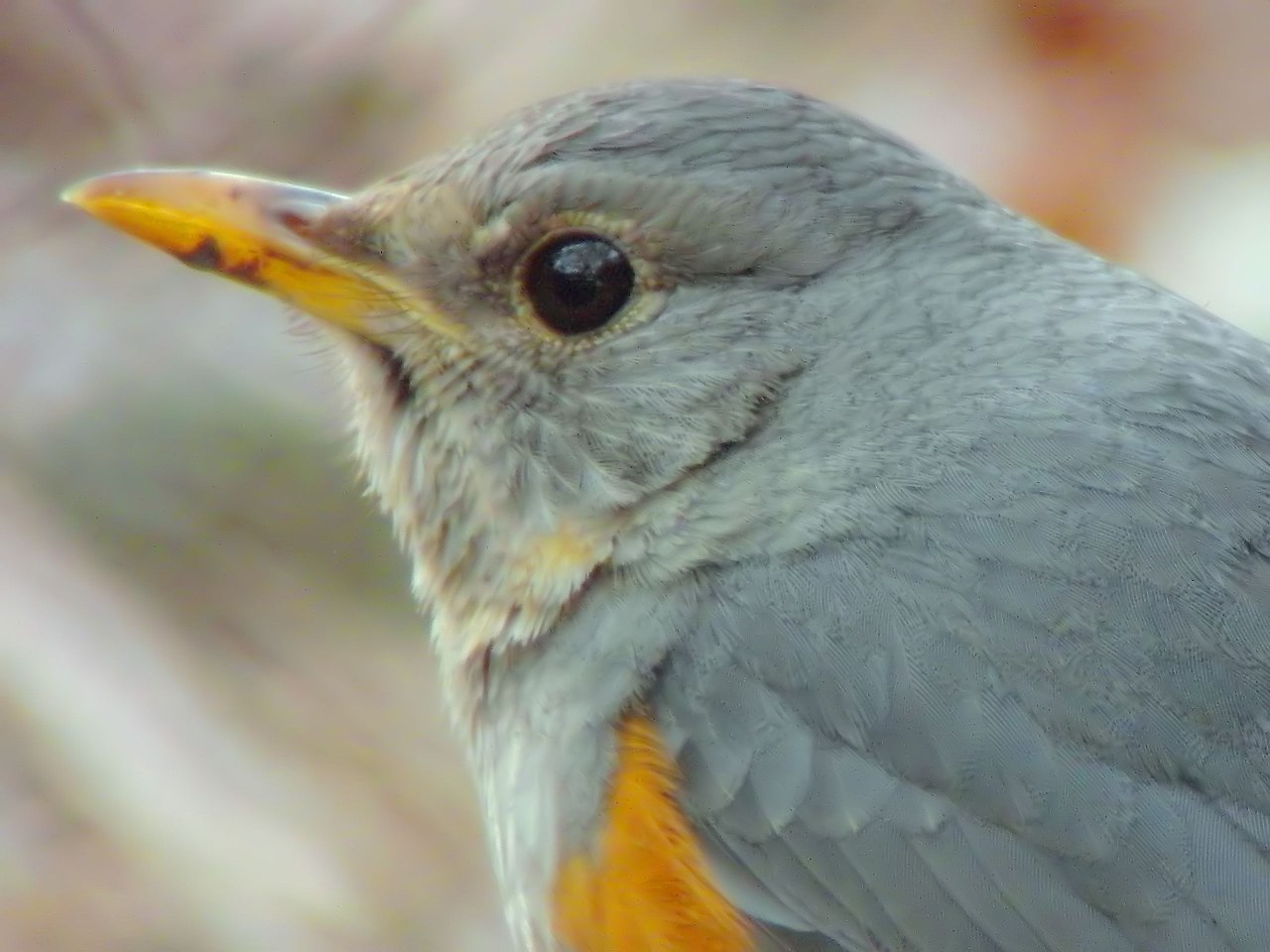
The grey-backed shrike is a bird in the family Laniidae inhabiting South-east Asia.
Region
Himalayas and Southeast Asia
Typical Environment
Occurs from the Himalayan foothills through southwestern and southern China into northern parts of mainland Southeast Asia. It favors forest edges, secondary growth, open woodland, bamboo thickets, and shrubby hillsides near cultivation. In many areas it is common along roadsides and field margins with scattered trees or hedges. During winter it often descends to lower elevations and may reach foothill valleys and upland plateaus.
Altitude Range
1000–3500 m
Climate Zone
Highland
Ease of Keeping
Beginner friendly: 2/5
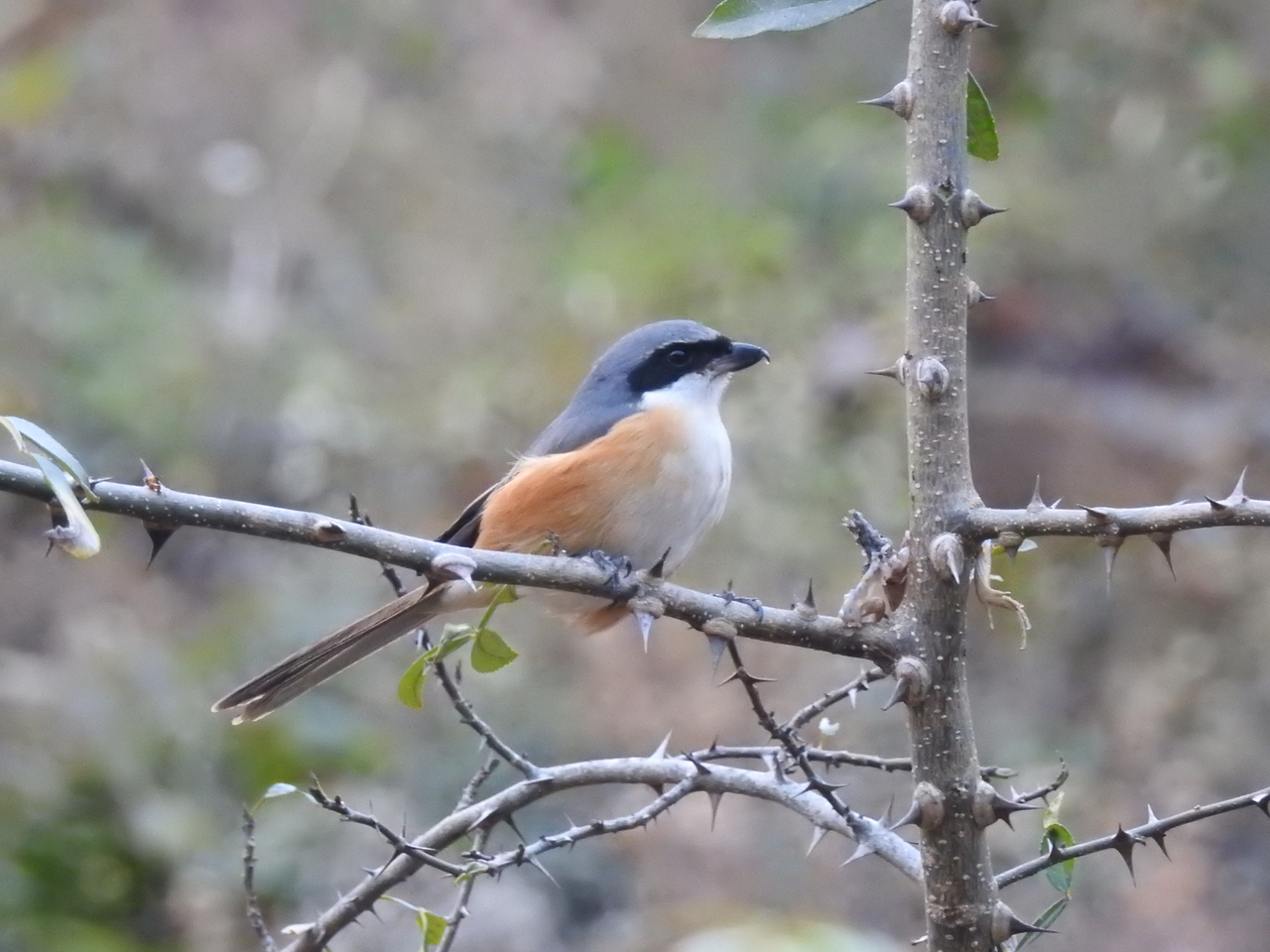
A member of the shrike family (Laniidae), the grey-backed shrike is known for its bold black facial mask and habit of impaling prey on thorns to store food. It frequents forest edges, scrub, and terraced farmland across the Himalayan foothills into Southeast Asia. Often seen perched conspicuously, it hunts by sallying to the ground or snatching insects from foliage. Its altitudinal movements bring it to lower elevations in winter.


Grey-backed shrike, Uttarakhand, India

In China
In China
Temperament
solitary and territorial
Flight Pattern
short rapid wingbeats with direct, purposeful flights between perches
Social Behavior
Usually seen singly or in pairs, especially during the breeding season. It nests in shrubs or small trees, building a cup nest and defending a small territory. Both adults typically participate in rearing the young. Outside breeding, individuals may tolerate loose spacing in good foraging areas.
Migratory Pattern
Partial migrant
Song Description
Song is a varied mix of whistles, chatters, and harsh scolding notes, often delivered from an exposed perch. Calls include sharp, dry ticks and rattles, with occasional mimicry of other birds.
Plumage
Smooth grey upperparts with contrasting black mask and white underparts washed buff on the flanks; wings dark with a pale patch; tail dark with white edges.
Diet
Primarily hunts large insects such as beetles, grasshoppers, and caterpillars, supplemented by spiders and other arthropods. It may also take small lizards, frogs, or small birds when available. Typical of shrikes, it sometimes impales prey on thorns or barbed wire to store and tear food.
Preferred Environment
Forages from exposed perches along forest edges, scrub, and agricultural mosaics. Often hunts along hedgerows, bamboo patches, and shrub-studded slopes.