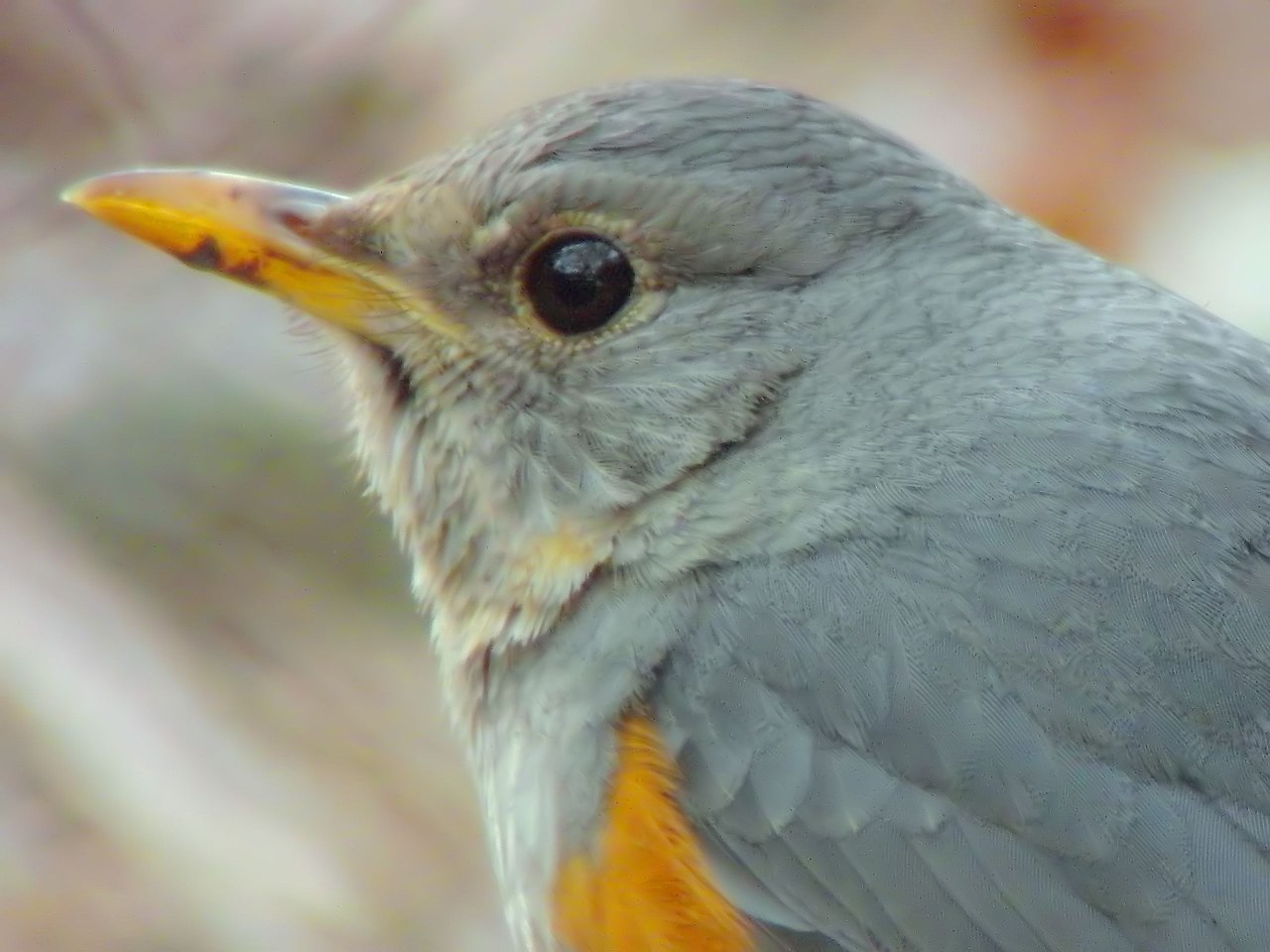
The grey-backed tachuri is a species of bird in subfamily Elaeniinae of family Tyrannidae, the tyrant flycatchers. It is endemic to Brazil.
Region
Brazilian Highlands
Typical Environment
Found in the open, rocky grasslands and shrub-dotted slopes of the campos rupestres in eastern Brazil. It favors stunted scrub, grass tussocks, and scattered rocky outcrops with low vegetation. The species keeps close to the ground or perches on small bushes to hunt. It avoids dense forest but may use ecotones where grassland meets scrub. Local presence is patchy, reflecting the fragmented nature of suitable habitat.
Altitude Range
900–2000 m
Climate Zone
Highland
Ease of Keeping
Beginner friendly: 1/5
This tiny flycatcher is restricted to Brazil’s highland campos rupestres, where it keeps low to the ground and often flicks its tail while foraging. It is typically seen in pairs, perching on small shrubs before sallying out to snatch insects. Because it depends on rocky montane grasslands, it is sensitive to habitat degradation from fire, mining, and overgrazing.


Temperament
alert and active
Flight Pattern
short rapid wingbeats with brief sallies
Social Behavior
Usually found singly or in pairs, especially during the breeding season, and defends small territories in suitable patches of grassland. Nesting is low in vegetation or within grass tussocks, with both parents attending the young. Outside breeding, small family groups may persist locally.
Migratory Pattern
Resident
Song Description
A thin, high-pitched series of chips and trills delivered from exposed perches. Calls are sharp tseep notes used in contact and agitation.
Plumage
Compact, short-tailed flycatcher with a smooth gray back, pale buffy underparts, and distinct wingbars. Shows a crisp white supercilium over darker lores and ear coverts. Tail is often cocked and flicked, and wings show contrasting pale edgings.
Diet
Primarily small arthropods such as flies, beetles, and spiders. It sallies from low perches to catch prey in short flights and also gleans from grass stems and twigs. Foraging is methodical and close to the ground, with frequent tail flicking.
Preferred Environment
Open rocky grassland with scattered shrubs and low, stiff vegetation offers perches and hunting platforms. It uses edges of scrub and grass tussocks where insects concentrate, avoiding dense closed-canopy habitats.