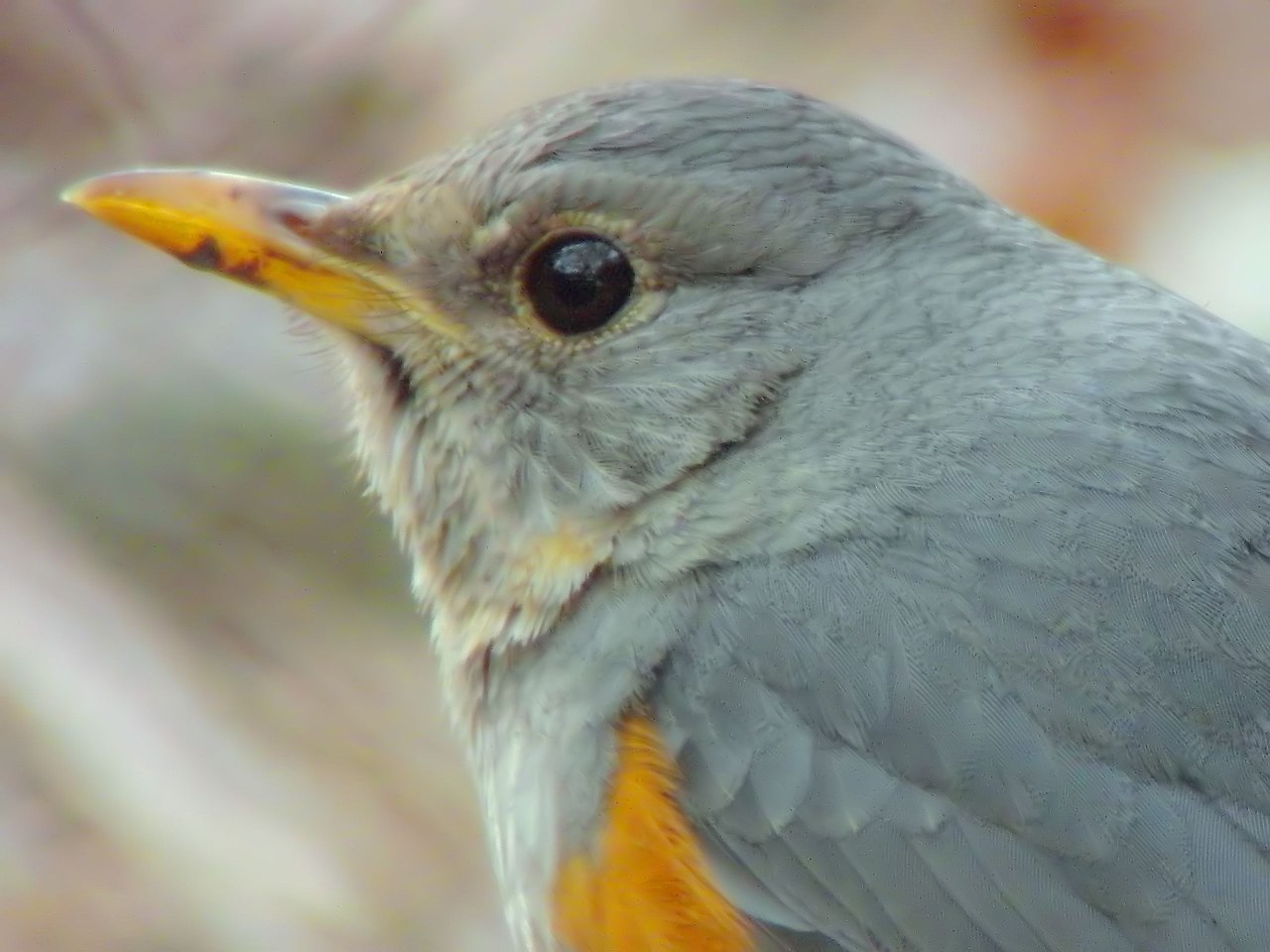
The gray-backed tailorbird is a species of bird formerly placed in the "Old World warbler" assemblage, but now placed in the family Cisticolidae. It is endemic to the Philippines and found only on the islands of Luzon and Catanduanes.
Region
Northern Philippines
Typical Environment
Occurs in lowland and foothill tropical forests, favoring dense understory, forest edges, and secondary growth. It is also found in thickets, bamboo patches, and scrubby vegetation near clearings and streams. The species tolerates lightly disturbed habitats and can persist in mosaics of secondary forest and gardens, provided cover is available.
Altitude Range
Sea level to 1200 m
Climate Zone
Tropical
Ease of Keeping
Beginner friendly: 1/5
True to its name, this tailorbird stitches leaves together with plant fibers to form a cradle in which it builds its nest. It is a skulking, foliage-gleaning species that often keeps to dense understory. Pairs maintain small territories and communicate with sharp, repetitive calls.


An illustration by Joseph Wolf
Temperament
active and skulking
Flight Pattern
short rapid wingbeats
Social Behavior
Usually seen in pairs or small family groups within well-defined territories. The species constructs ingenious nests by stitching leaf edges together using plant fibers or spider silk, then lining the pocket with softer materials. It may join mixed-species flocks along forest edges but generally forages quietly within cover.
Migratory Pattern
Resident
Song Description
Delivers a rapid series of sharp, metallic chips and thin trills that can be repetitive and insistent. Calls include scolding notes when disturbed, often given from concealed perches.
Plumage
Clean gray back with olive-tinged wings, whitish to buff underparts, and a contrasting warm rufous crown and nape. Tail is long and often cocked, with fine, narrow feathers. Overall appearance is neat and smooth, suited to moving through dense foliage.
Diet
Feeds primarily on small insects and other arthropods, including caterpillars, beetles, ants, and spiders. It gleans prey from leaves, twigs, and stems, and occasionally snatches insects in short sallies. Opportunistically takes tiny invertebrates from spider webs and rolled leaves.
Preferred Environment
Forages in dense understory, vine tangles, and bamboo, especially along forest edges and regenerating secondary growth. Often stays within a few meters of the ground where cover is thick.