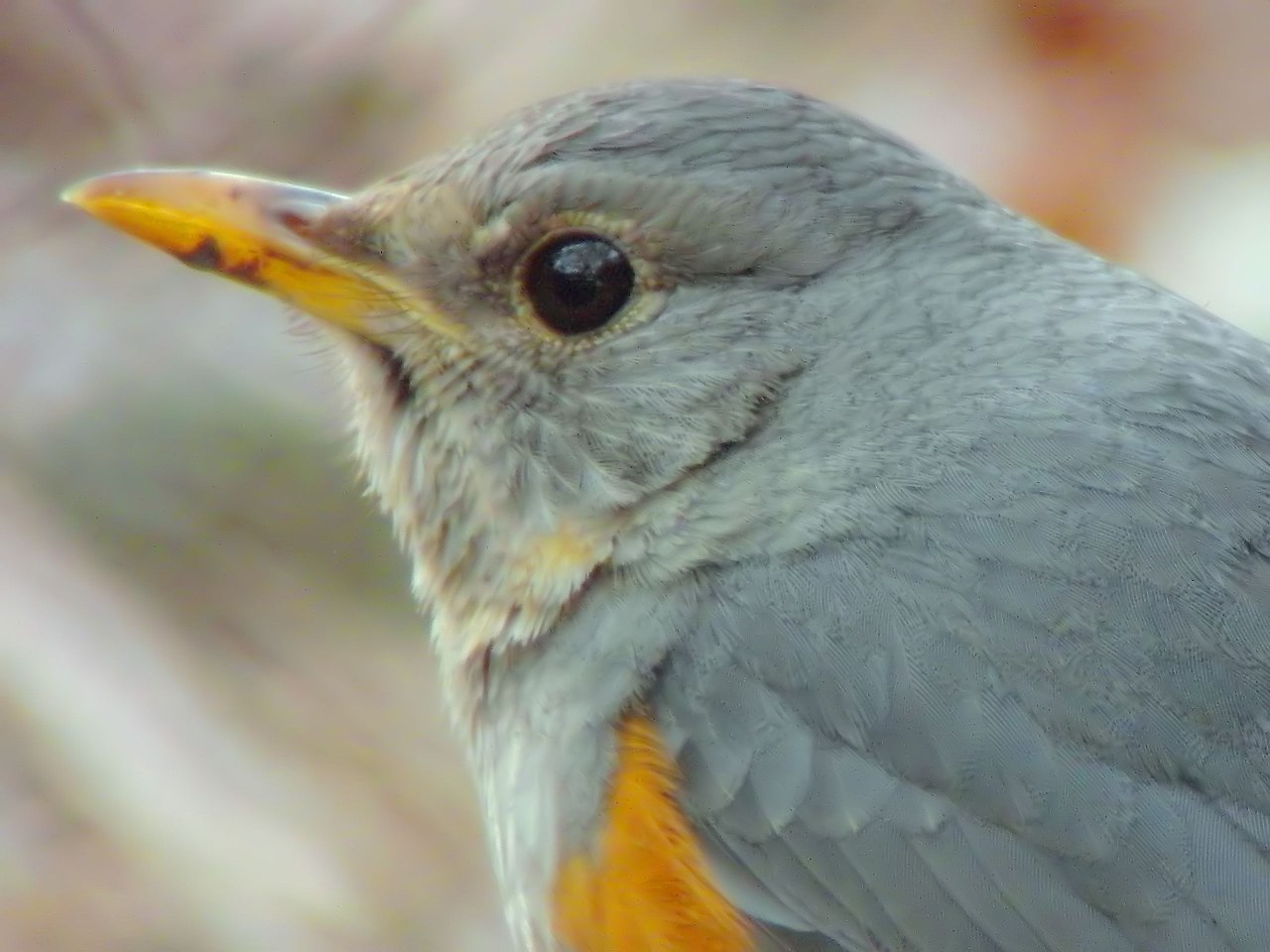
The grey-backed sparrow-lark or grey-backed finch-lark is a species of lark in the family Alaudidae. It is found in southern and south-central Africa. Its natural habitats are subtropical or tropical dry shrubland and subtropical or tropical dry lowland grassland. Sometimes, the name 'grey-backed sparrow-lark' is also used to describe the black-eared sparrow-lark.
Region
Southern and south-central Africa
Typical Environment
Occurs across arid and semi-arid zones including the Kalahari, Karoo, and adjacent dry savannas and grasslands. Prefers sparsely vegetated plains, short-grass pastures, stony flats, and open shrubland with ample bare ground. It also frequents road verges, fallow fields, and overgrazed areas where seed availability is high. Local movements often follow rainfall and seed flushes.
Altitude Range
Sea level to 1800 m
Climate Zone
Arid
Ease of Keeping
Beginner friendly: 2/5
The grey-backed sparrow-lark, also called the grey-backed finch-lark, is a small ground-dwelling lark of semi-arid southern Africa. Males and females look very different: males show bold black-and-white facial contrasts, while females are sandy and well-camouflaged. It often forms small flocks outside the breeding season and may move locally after rains. It is sometimes confused with the black-eared sparrow-lark, but the uniformly grey back and subtler ear pattern help separate it.


Temperament
social and active
Flight Pattern
short rapid wingbeats with low bounding flights
Social Behavior
Typically forages in pairs or small groups, forming larger flocks outside the breeding season. Nests on the ground in a simple scrape, often hidden under a shrub or grass tuft. Breeding is closely tied to rainfall, with males performing display flights and ground-based courtship.
Migratory Pattern
Resident
Song Description
A soft series of twittering notes and buzzy trills, delivered from the ground, a low perch, or during brief display flights. Calls include sharp chips used to keep contact within small flocks.
Plumage
Male has a smooth grey back with a striking black-and-white facial mask and darker underparts; female is sandy-brown with fine streaking and mottling for camouflage. Both sexes show a short, thick bill and relatively plain upperparts suited to arid landscapes.
Diet
Primarily takes grass and forb seeds picked from the ground, switching to more insects during the breeding season. Eats small beetles, termites, and other arthropods to provide protein for nestlings. Opportunistic at seed flushes after rain and at termite emergences.
Preferred Environment
Feeds on bare ground and short-grass patches in open shrubland, grassland, and lightly cultivated areas. Frequently uses disturbed sites such as tracks and grazing lawns where seeds are accessible.