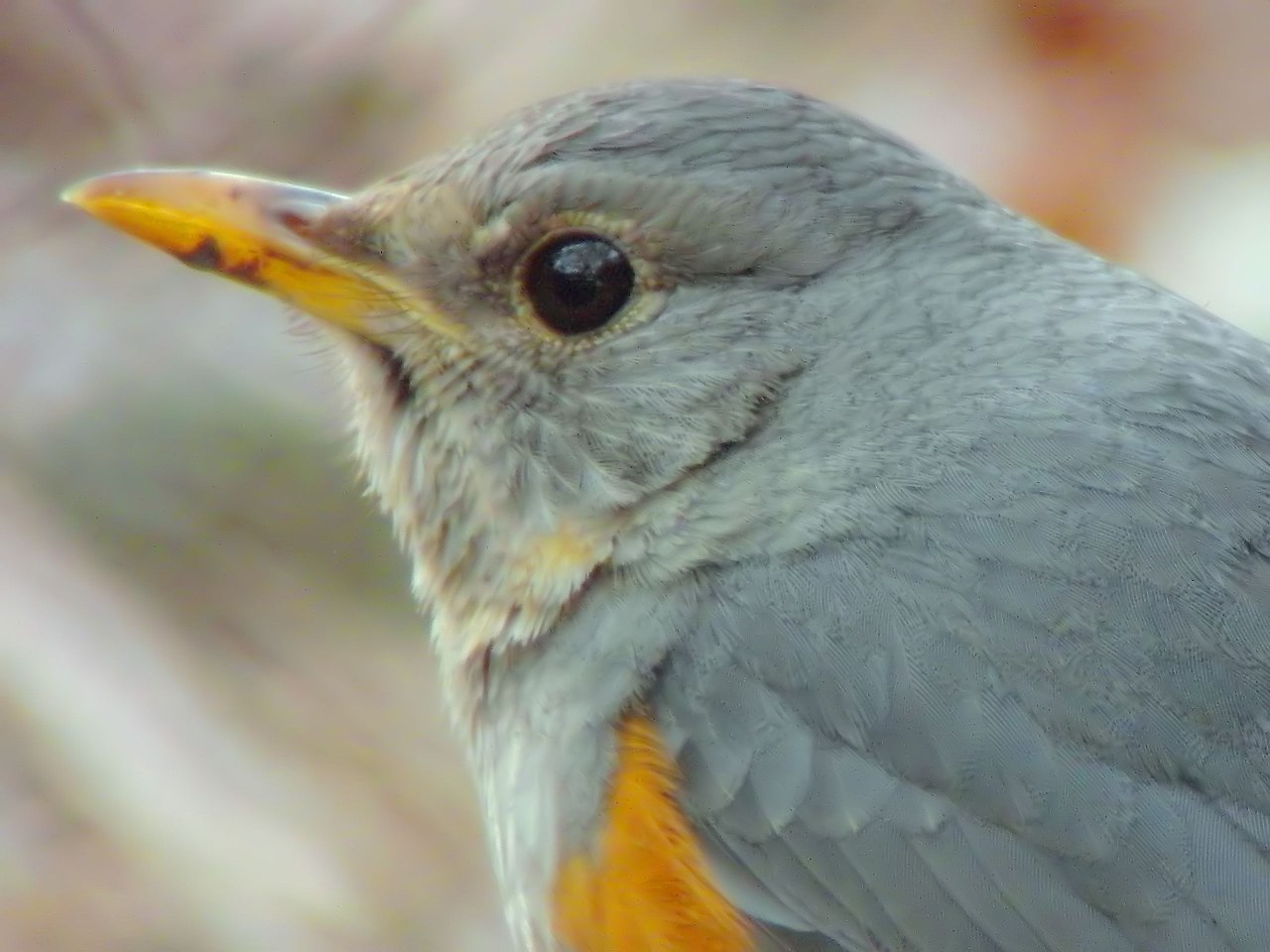
The grey-backed storm petrel is a species of seabird in the austral storm petrel family Oceanitidae. It is monotypic within the genus Garrodia. It is found in Antarctica, Argentina, Australia, Chile, Falkland Islands, French Southern Territories, New Zealand, Saint Helena, South Africa, and South Georgia and the South Sandwich Islands. Its natural habitat is open seas. It is highly attracted to bright lights, especially in conditions of low visibility.
Region
Subantarctic Southern Ocean
Typical Environment
Occurs widely at sea around subantarctic islands off South America, Africa, Australia, and New Zealand, and across the Southern Ocean. Breeds on remote islands such as South Georgia and nearby archipelagos, the Prince Edward, Crozet and Kerguelen groups, and subantarctic islands south of New Zealand and Australia. Typically remains far offshore over deep waters but may approach coasts near breeding colonies. Outside the breeding season it disperses broadly, often ranging into temperate waters of the South Atlantic and South Pacific.
Altitude Range
Sea level to 1000 m
Climate Zone
Temperate
Ease of Keeping
Beginner friendly: 1/5
This small storm petrel is the only member of its genus, Garrodia, and ranges widely across the subantarctic and temperate Southern Ocean. It is strongly attracted to bright lights at night, which can cause grounding events near vessels and coastal settlements. Like other procellariiforms, it produces energy-rich stomach oil for feeding chicks and as a defensive spray. Breeding colonies are visited only at night, making the species easy to overlook near its nesting sites.


Temperament
pelagic and elusive
Flight Pattern
fluttering low over waves with quick, shallow wingbeats and frequent surface pattering
Social Behavior
Breeds in loose colonies on remote islands, nesting in rock crevices or shallow burrows. Strictly nocturnal at colonies, arriving after dark to avoid predators. Pairs are monogamous, laying a single egg with shared incubation and chick-rearing duties.
Migratory Pattern
Seasonal migrant
Song Description
At sea it is generally silent. At colonies it gives soft purring, chittering, and squeaky calls at night, used for mate contact and territorial interactions.
Plumage
Small storm petrel with smooth grey upperparts, a clean white rump, and contrasting darker wings. Underparts are mostly white with variable dusky shading on the flanks and underwings. The head often shows a darker cap or mask that contrasts with the paler mantle.
Diet
Feeds mainly on small planktonic crustaceans such as copepods and amphipods, along with small fish larvae and cephalopods. Takes food from the surface by picking and pattering, often in the wake of waves. Occasionally associates with other seabirds and may investigate fishing vessels, especially at night when attracted by lights.
Preferred Environment
Open oceanic waters over continental shelf edges and deep pelagic zones. Often forages in areas of upwelling and frontal systems where prey concentrates. Near breeding islands it may feed within a few tens of kilometers offshore.