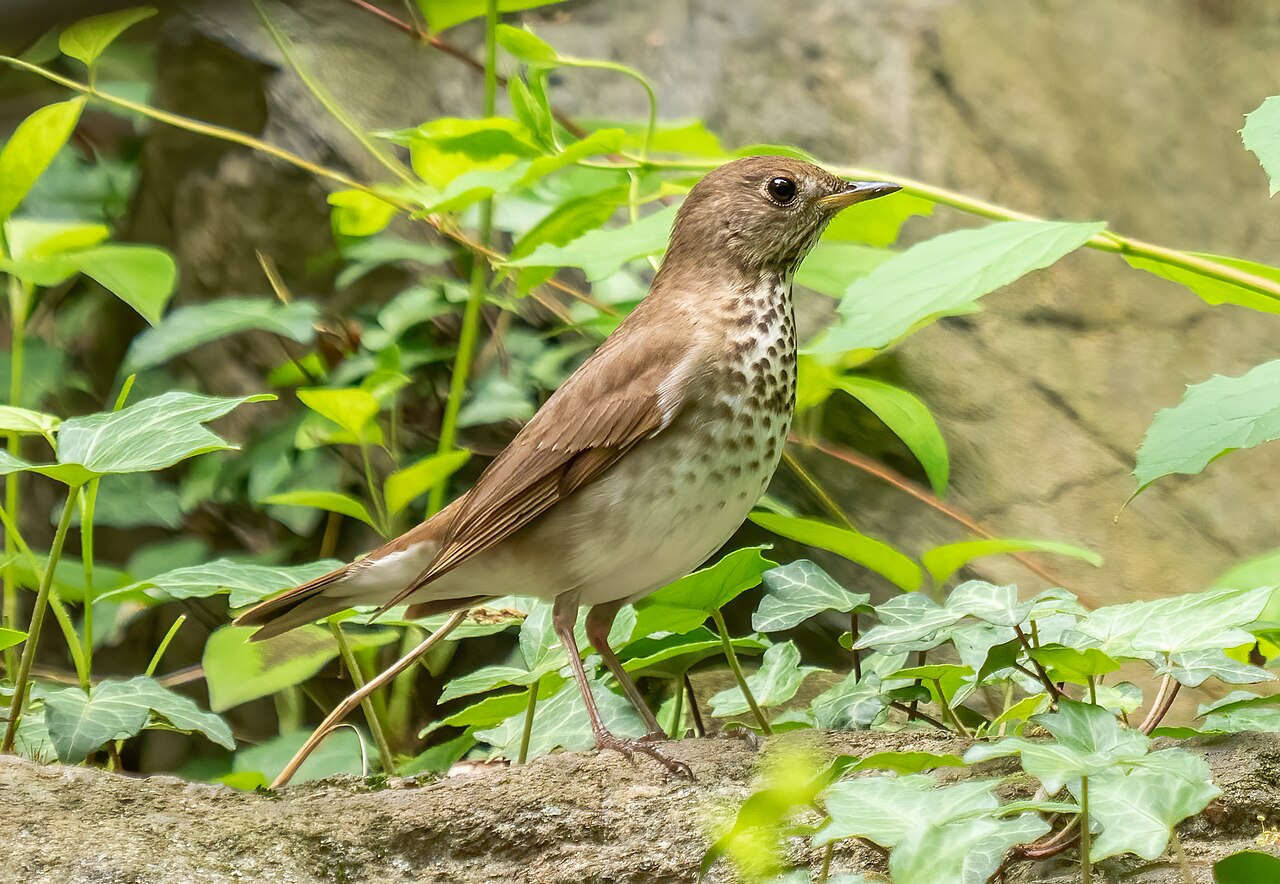
The gray thrasher is a medium-sized passerine bird belonging to the family Mimidae. It is endemic to the Baja California peninsula of Mexico.
Region
Baja California Peninsula
Typical Environment
Found from coastal scrub to inland desert and thorn forest across the peninsula, especially in areas with tall columnar cacti and dense brush. It frequents arroyos, washes, and desert flats with scattered mesquite, cholla, and cardón cactus. The species tolerates semi-open habitats and edges, including ranchlands with remnant native shrubs. It avoids dense forests and very open, vegetation-free dunes but uses nearby cover for foraging and nesting.
Altitude Range
Sea level to 1500 m
Climate Zone
Arid
Ease of Keeping
Beginner friendly: 1/5
The gray thrasher is endemic to the Baja California peninsula of Mexico, where it thrives in cactus-dominated deserts and thorn scrub. It often nests within spiny cacti or dense shrubs, which helps deter predators. Like many thrashers, it delivers a rich, varied song that may include snippets of other birds. Its long, slightly decurved bill is adapted for probing leaf litter and soil for hidden prey.


Temperament
solitary and territorial
Flight Pattern
short rapid wingbeats; low, direct flights between shrubs
Social Behavior
Usually seen alone or in pairs, defending territories year-round. Pairs build cup nests low in thorny shrubs or cacti, taking advantage of spines for protection. Clutches are typically small, and both parents participate in nest defense and feeding.
Migratory Pattern
Resident
Song Description
A rich, varied series of whistles, trills, and harsh notes delivered from exposed perches. The song often includes imitations of other species and pauses between phrases, with a slightly rough-edged quality compared to mockingbirds.
Plumage
Upperparts gray to gray-brown with a slightly warmer tone on the back and wings; underparts pale grayish-white with bold dark streaks or spots on the breast and flanks. Tail is long and darker, giving a slightly contrasting look. Feathers appear smooth with minimal gloss.
Diet
Feeds primarily on insects and other arthropods such as beetles, ants, and larvae, probing soil and leaf litter with its curved bill. It also consumes fruits and berries, notably from cacti and desert shrubs, and occasionally seeds. During dry periods, fruit and nectar-like juices from cactus fruits can be important moisture sources.
Preferred Environment
Forages on the ground beneath shrubs, at the bases of cacti, and along desert washes and arroyos. It favors areas with patchy cover that provide both concealment and open patches for scratching and probing.