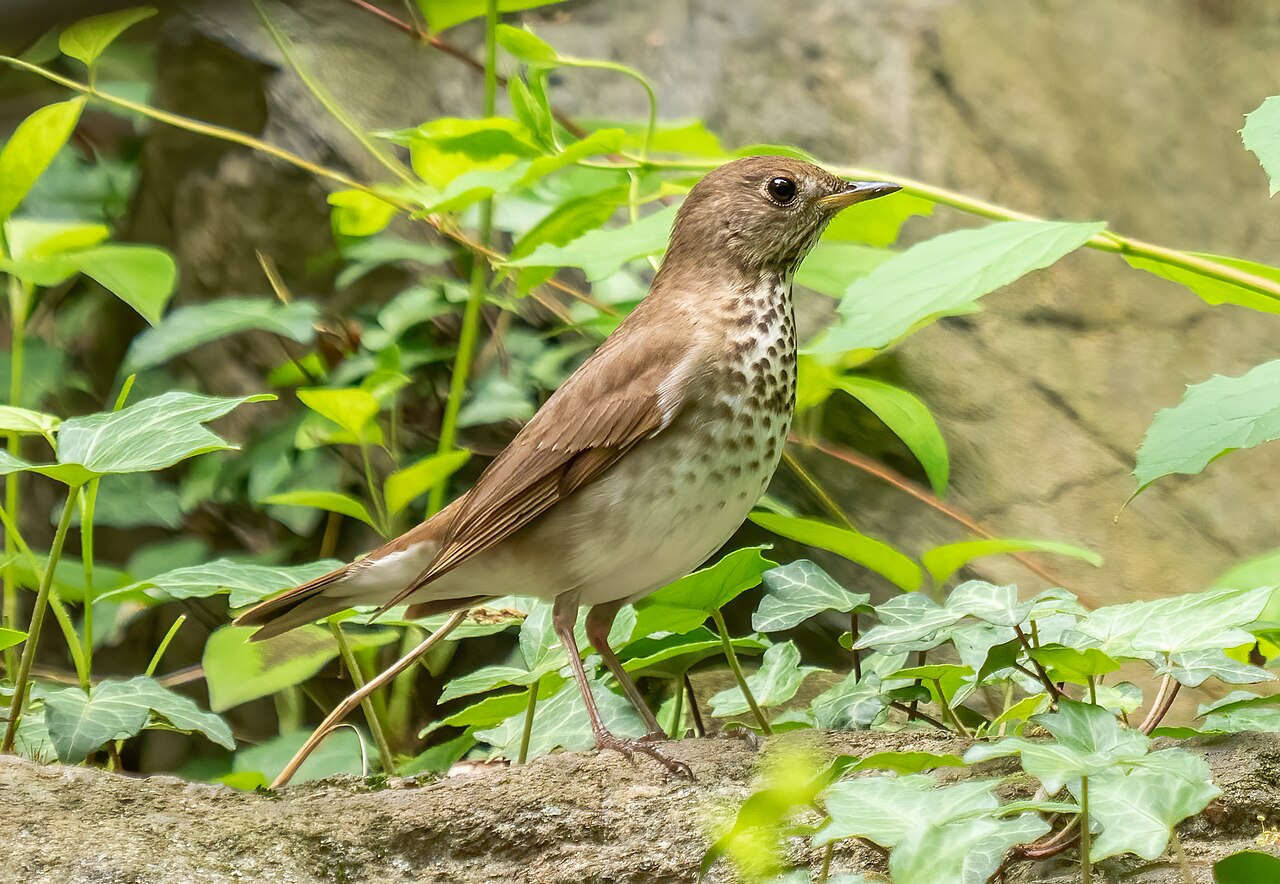
The gray vireo is a small North American passerine bird. It breeds from the southwestern United States and northern Baja California to western Texas. It is a migrant, wintering in northwestern Mexico, in western Sonora state, and the southern Baja Peninsula in Baja California Sur; it remains all year only in Big Bend National Park in southwest Texas. It is usually found at altitudes between 400 and 2,500 metres in its Mexican breeding grounds. This vireo frequents dry brush, especially juniper, on the slopes of the southwestern mountains.
Region
Southwestern United States and Northwestern Mexico
Typical Environment
Breeds locally from the interior valleys and foothills of the southwestern United States south into northern Baja California and Sonora, with a small resident population in the Big Bend region of Texas. It favors arid shrublands, pinyon–juniper woodlands, and desert foothills with scattered juniper, oak, or mesquite. In winter it moves to thornscrub and desert washes of northwestern Mexico where berry resources are available. The species typically forages within mid-level shrubs and small trees, avoiding dense forests. It is patchy in occurrence, closely tracking suitable dry brush habitat.
Altitude Range
400–2500 m
Climate Zone
Arid
Ease of Keeping
Beginner friendly: 1/5
The Gray Vireo is a subtle, gray-toned songbird of arid scrub and pinyon–juniper slopes, often detected more by its persistent, deliberate song than by sight. It is notably vulnerable to brood parasitism by Brown-headed Cowbirds, which can depress nesting success. In winter it supplements its insect diet with berries, especially desert mistletoe, allowing it to persist in harsh, dry landscapes.


Temperament
solitary and territorial
Flight Pattern
short rapid wingbeats with low, direct flights between shrubs
Social Behavior
Pairs defend breeding territories vigorously in the nesting season, often remaining low and concealed in shrubs. They build a neat cup nest suspended in forked branches of juniper, oak, or mesquite; both sexes share incubation and feeding duties. Brood parasitism by Brown-headed Cowbirds is a recurrent threat in many populations.
Migratory Pattern
Seasonal migrant
Song Description
Song consists of slow, deliberate phrases of whistled and scolding notes delivered at measured intervals, carrying well across scrubby slopes. Calls include dry chek or chrr notes given while foraging. Males may sing persistently from exposed perches during the breeding season.
Plumage
Plain gray above with whitish underparts and minimal contrast; clean, smooth feathering without wing bars. Slightly darker gray crown and nape, with subtly pale lores and a fine eye ring that gives a faint 'spectacled' look.
Diet
Primarily consumes insects and other arthropods, including beetles, caterpillars, grasshoppers, and spiders gleaned from foliage and twigs. It occasionally makes short sallies to snatch prey from the air. In winter it adds small fruits and berries—especially desert mistletoe—to its diet, which helps bridge periods of low insect availability. Foraging is methodical and deliberate, moving branch to branch within shrubs.
Preferred Environment
Feeds within arid scrub, pinyon–juniper slopes, and desert foothills with scattered shrubs and small trees. Often keeps to mid-level foliage in juniper, oak, mesquite, and similar hardy shrubs, and in winter frequents areas with fruiting mistletoe.