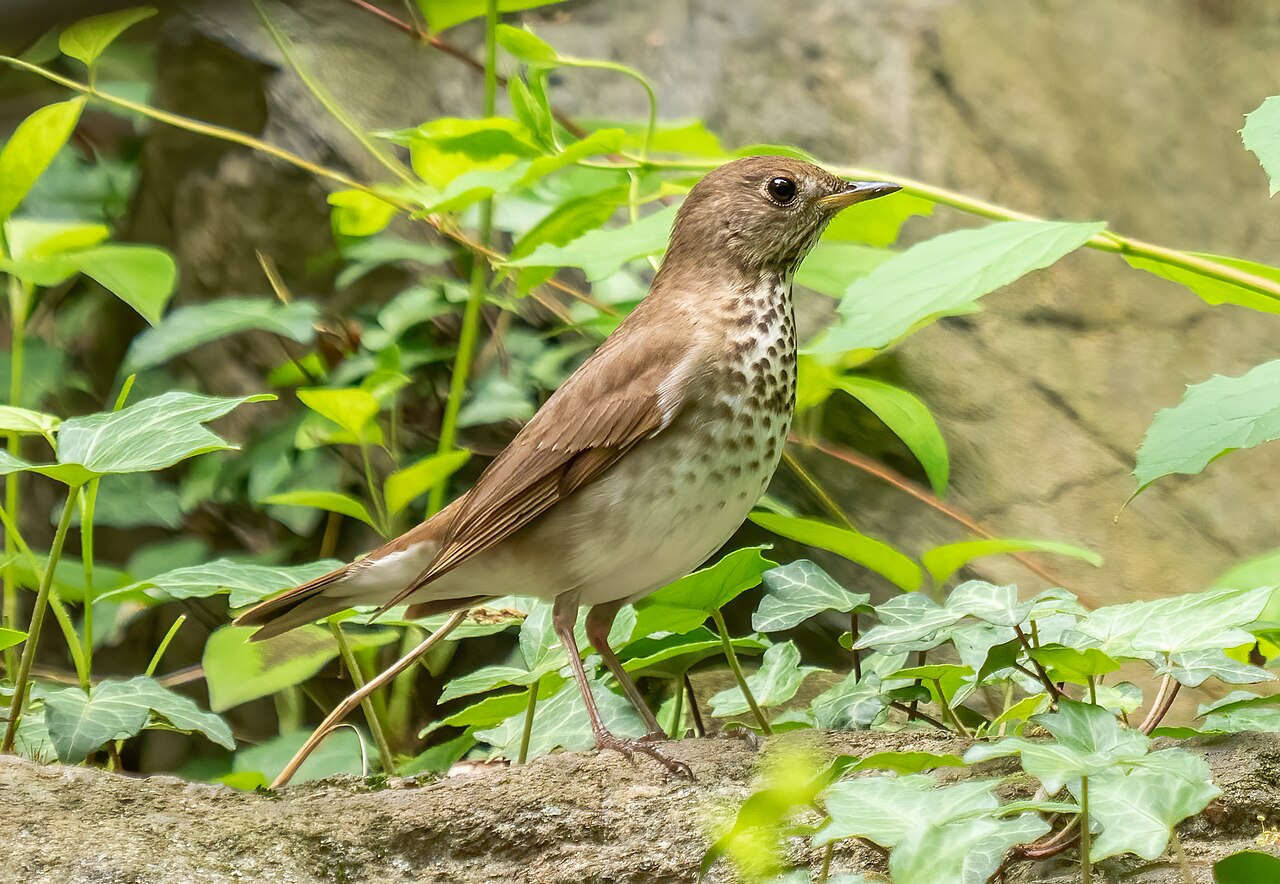
The gray-barred wren is a species of bird in the family Troglodytidae. It is endemic to Mexico.
Region
Southern Mexico
Typical Environment
Found primarily in the Sierra Madre del Sur and adjacent highlands of Oaxaca and Guerrero, favoring pine-oak forest, montane scrub, and forest edges. It also uses second-growth, coffee plantations, and semi-open woodland with scattered oaks. The species forages from understory to mid-canopy, often around bromeliads and epiphyte-laden branches. It tolerates moderate habitat disturbance and can occur near rural settlements where suitable trees persist.
Altitude Range
800–2600 m
Climate Zone
Highland
Ease of Keeping
Beginner friendly: 1/5
The gray-barred wren is a large, social wren that often forages in noisy family groups and practices cooperative breeding. It builds bulky domed nests and will also use communal roosts outside the breeding season. Its bold barring and loud, chattering chorus make it one of the more conspicuous wrens in Mexico’s highland pine-oak forests.


C. m. nelsoni
Temperament
social and active
Flight Pattern
short rapid wingbeats
Social Behavior
Typically moves in small family parties that maintain territories year-round. Cooperative breeding is common, with helpers assisting at nests. Nests are bulky, domed structures placed in trees or tall shrubs, and groups may roost communally.
Migratory Pattern
Resident
Song Description
A loud, chattering series of trills, scolds, and whistles delivered by pairs or small groups. Calls are harsh and frequent while foraging, with duet-like exchanges between mates.
Plumage
Coarsely barred gray and brown upperparts with finer barring extending onto the underparts; tail distinctly barred. The throat and belly are paler with gray barring on the flanks. Texture is fairly coarse with a slightly shaggy look on the mantle.
Diet
Primarily feeds on insects and other arthropods such as beetles, caterpillars, spiders, and ants. It gleans prey from bark, leaves, and epiphytes and will probe into crevices with its slightly decurved bill. It occasionally supplements its diet with berries or small fruits when available.
Preferred Environment
Forages in pine-oak woodland, forest edges, second-growth, and semi-open habitats with scattered mature trees. Often works trunks, branches, and bromeliad clumps from near ground level up to the mid-canopy.