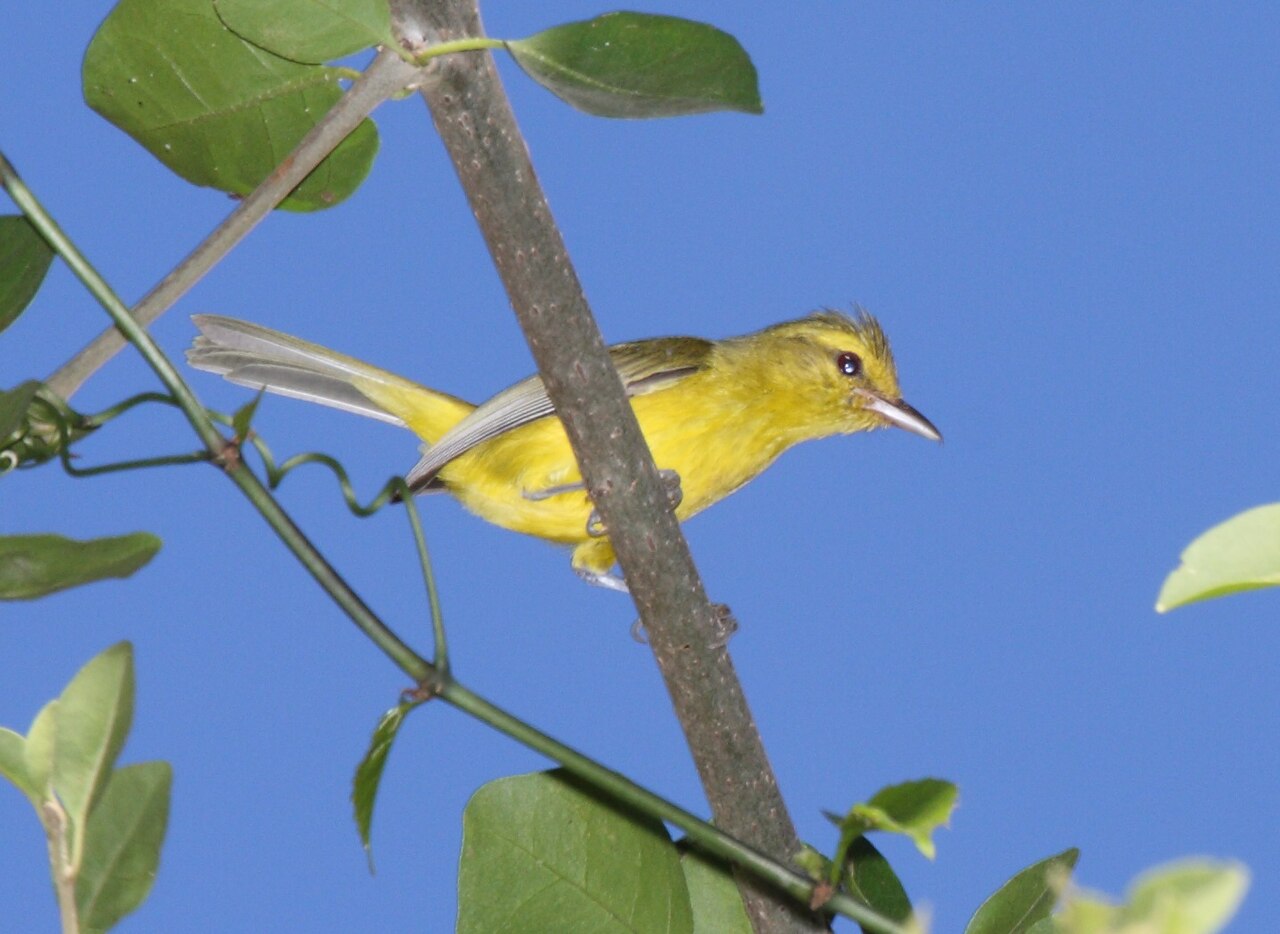
The golden pheasant, also known as the Chinese pheasant, and rainbow pheasant, is a gamebird of the order Galliformes and the family Phasianidae (pheasants). The genus name is from Ancient Greek khrusolophos, "with golden crest", and pictus is Latin for "painted" from pingere, "to paint".
Region
East Asia
Typical Environment
The golden pheasant inhabits dense, dark coniferous and mixed forests with thick undergrowth and bamboo thickets, especially along forest edges and in ravines. It forages mostly on the ground but roosts in trees. Outside its native range, it occupies similar habitats in parks, estates, and conifer plantations. Introduced populations occur in parts of Europe (notably the UK) and locally elsewhere, often near human-managed woodlands.
Altitude Range
Sea level to 2500 m
Climate Zone
Temperate
Ease of Keeping
Beginner friendly: 4/5
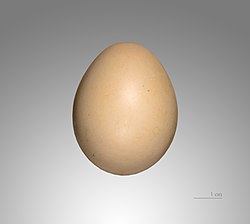
Males display a brilliant golden crest and an orange-black cape that they fan over their head during courtship. They are native to western China but have been introduced to several countries, including the United Kingdom, where small feral populations persist. Despite their striking colors, they prefer dense cover and are often surprisingly hard to spot. Females are cryptically colored to blend with the forest floor while nesting.




Temperament
shy and secretive
Flight Pattern
short rapid wingbeats
Social Behavior
Generally ground-dwelling and wary, it often runs rather than flies when disturbed. Males are polygynous and perform elaborate displays, fanning the cape and crest to court females. Nests are shallow ground scrapes hidden under dense cover; small groups may form outside the breeding season.
Migratory Pattern
Resident
Song Description
Vocalizations include sharp, metallic cheeps and clucks, especially from displaying males. Alarm calls are quick, harsh notes given from cover. Overall the species is not highly vocal compared to many songbirds.
Plumage
Male with golden-yellow crest and nape, bright red underparts, green upper back, and long brown tail barred black; orange to golden cape edged in black. Female is mottled brown with fine barring and a shorter, banded tail.
Diet
It feeds on seeds, grains, leaves, buds, and berries, supplemented with insects, larvae, and other small invertebrates. Birds scratch through leaf litter to uncover food and will opportunistically take agricultural spillage near forest edges. Seasonal availability of fruits and shoots influences diet composition.
Preferred Environment
Foraging occurs on the forest floor, along edges, clearings, and bamboo thickets. In introduced areas it commonly forages in plantations, hedgerows, and estate woodlands with dense ground cover.