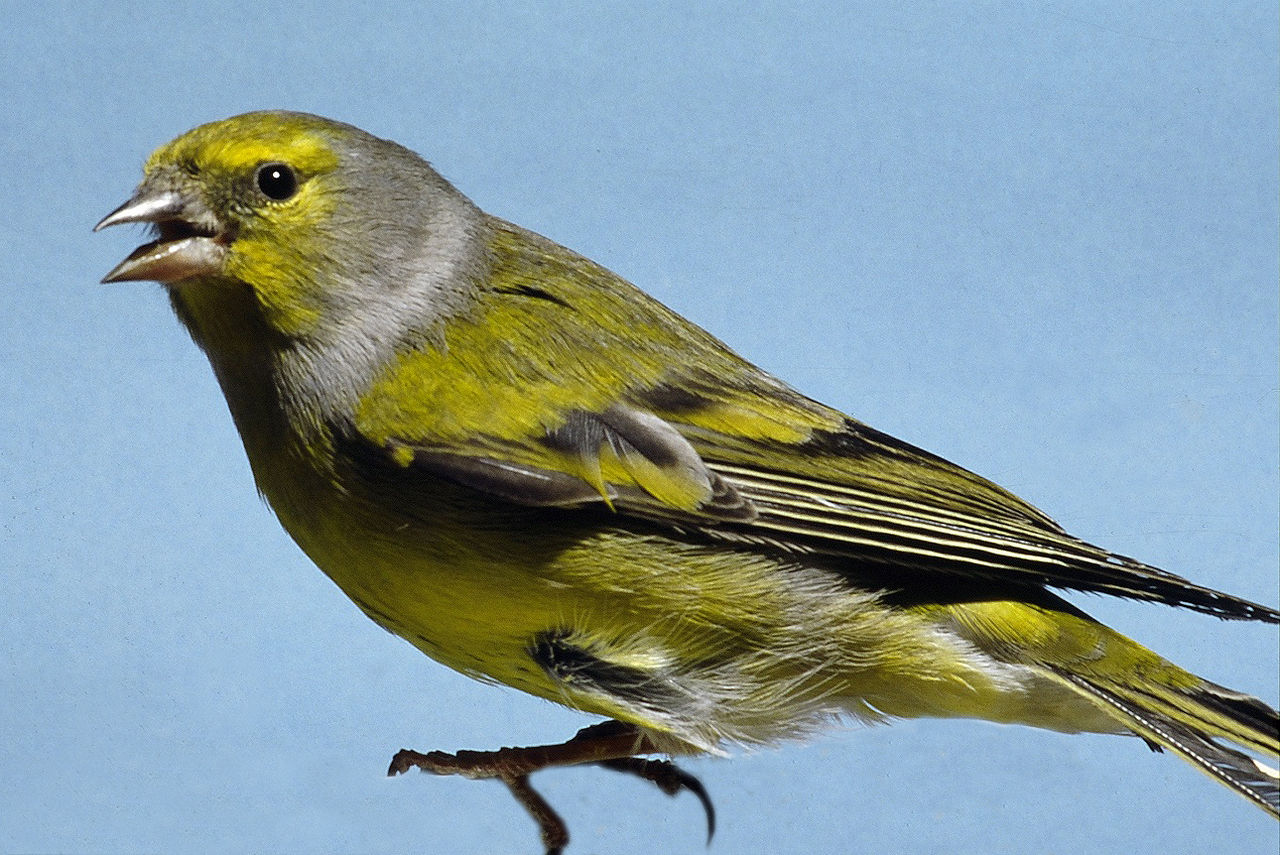
The cinnamon-throated hermit is a species in the hummingbird family Trochilidae. It is found in Bolivia and Brazil.
Region
Southwestern Amazon Basin
Typical Environment
Occurs in lowland evergreen forests of southwestern Amazonian Brazil and adjacent northern Bolivia, including terra firme, river-edge gallery forests, and patches of seasonally flooded várzea. It favors dense understory with abundant flowering herbs and shrubs, especially along forest edges, old clearings, and bamboo thickets. Often found near streams and shaded trails where nectar sources are concentrated. Locally common where habitat is intact but can be sparse in heavily disturbed areas.
Altitude Range
Sea level to 800 m
Climate Zone
Tropical
Ease of Keeping
Beginner friendly: 1/5
This hermit hummingbird practices traplining, visiting a repeated circuit of flowering plants for nectar. Its long, decurved bill is well suited to tubular flowers like Heliconia and Costus. Males often sing at small leks, while females alone build a pendant nest attached beneath a broad leaf.


Temperament
shy and secretive
Flight Pattern
short rapid wingbeats with precise hovering
Social Behavior
Primarily solitary while foraging, following trapline routes between scattered nectar sources. Males may gather at small leks where they sing and display to visiting females. The female constructs a small pendant cup nest attached to the underside of a broad leaf or palm frond and performs all incubation and chick-rearing.
Migratory Pattern
Resident
Song Description
A thin, high-pitched series of tseet notes and insect-like trills delivered repetitively from a low perch. Calls are sharp and quickly repeated, carrying softly through the understory.
Plumage
Warm brown-olive upperparts with a distinctly cinnamon-colored throat grading to buffy underparts; typical hermit facial pattern with contrasting pale supercilium and malar stripe. Tail relatively long with white-tipped outer feathers and darker central rectrices. Feathers appear smooth and sleek, aiding silent, agile flight in dense understory.
Diet
Feeds mainly on nectar from tubular flowers such as Heliconia, Costus, and other understory blooms. Supplements diet with small arthropods, hawking tiny insects in flight or gleaning them from foliage for protein. Traplines allow efficient exploitation of dispersed nectar sources.
Preferred Environment
Forages in the shaded understory and along forest edges, clearings, and stream margins where flowers are concentrated. Often visits flowering thickets and bamboo stands at low to mid-levels.