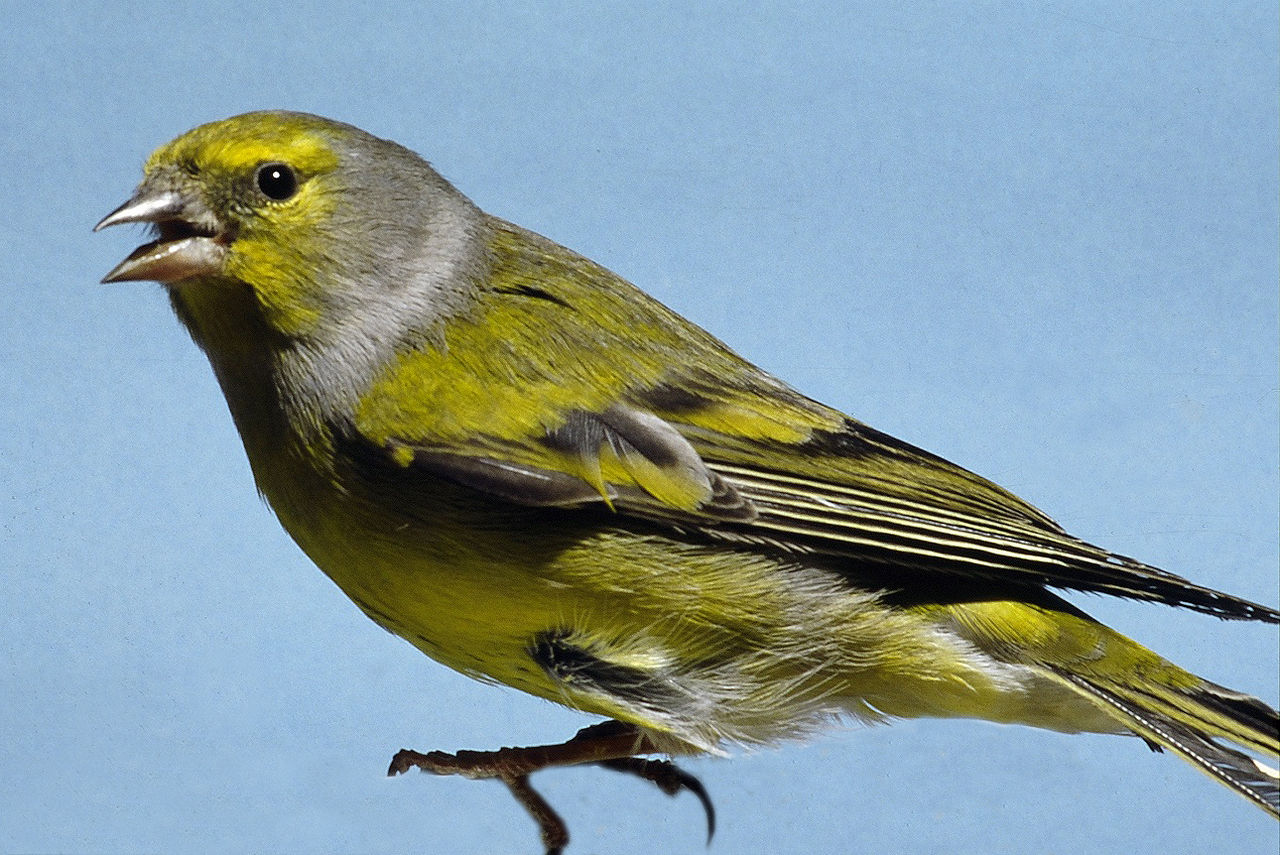
The citreoline trogon is a species of bird in the family Trogonidae. It is endemic to western Mexico, with an estimated distribution size of 539,000 km2 Due to this very large range, the IUCN consider it a species of Least Concern and that the current population trend is stable. T. citreolus has also been studied as an Ecosystem engineer.
Region
Western Mexico
Typical Environment
Occurs along the Pacific slope in tropical deciduous and thorn forests, semi-open woodlands, and riparian corridors. It uses forest edges, second growth, and human-modified landscapes with scattered tall trees. The species spends much time in the midstory and canopy, often along arroyos and canyons. It tolerates seasonally dry conditions typical of Mexico’s tropical dry forest belt.
Altitude Range
0–1500 m
Climate Zone
Tropical
Ease of Keeping
Beginner friendly: 1/5
The citreoline trogon is a quiet, canopy-dwelling trogon endemic to western Mexico’s tropical dry forests. It is considered an ecosystem engineer because it excavates nesting cavities in soft substrates like arboreal termite nests, which are later used by other birds and small vertebrates. Despite its bright belly, it is often detected by its mellow calls more than by sight.


Temperament
quiet and unobtrusive
Flight Pattern
short rapid wingbeats with direct, short-distance flights
Social Behavior
Typically seen singly or in pairs, perching motionless for long periods while foraging by short sallies. Pairs nest in cavities they excavate in arboreal termite nests or soft, decayed wood. Likely monogamous, with both sexes involved in nest defense and care.
Migratory Pattern
Resident
Song Description
Gives a mellow series of hollow, evenly spaced cooing notes that carry through dry forests. Calls are repetitive and measured, often revealing the bird’s presence long before it is seen.
Plumage
Male with metallic green upperparts and head, a narrow white breast band, and bright lemon-yellow underparts; female duller with gray-brown upperparts and paler yellow belly. Both sexes show a long tail with striking black-and-white patterning on the underside and smooth, satiny feather texture typical of trogons.
Diet
Consumes a mix of insects and other arthropods along with soft fruits. It makes short sallies from a perch to pluck insects from foliage or to hover-glean. Fruits from figs and other seasonally fruiting trees are important, especially during drier periods when insects are less abundant.
Preferred Environment
Forages in the midstory and canopy, especially along forest edges, riparian strips, and in semi-open woodlands with mature trees. Frequently visits fruiting trees and will hunt insects along shaded arroyos.