
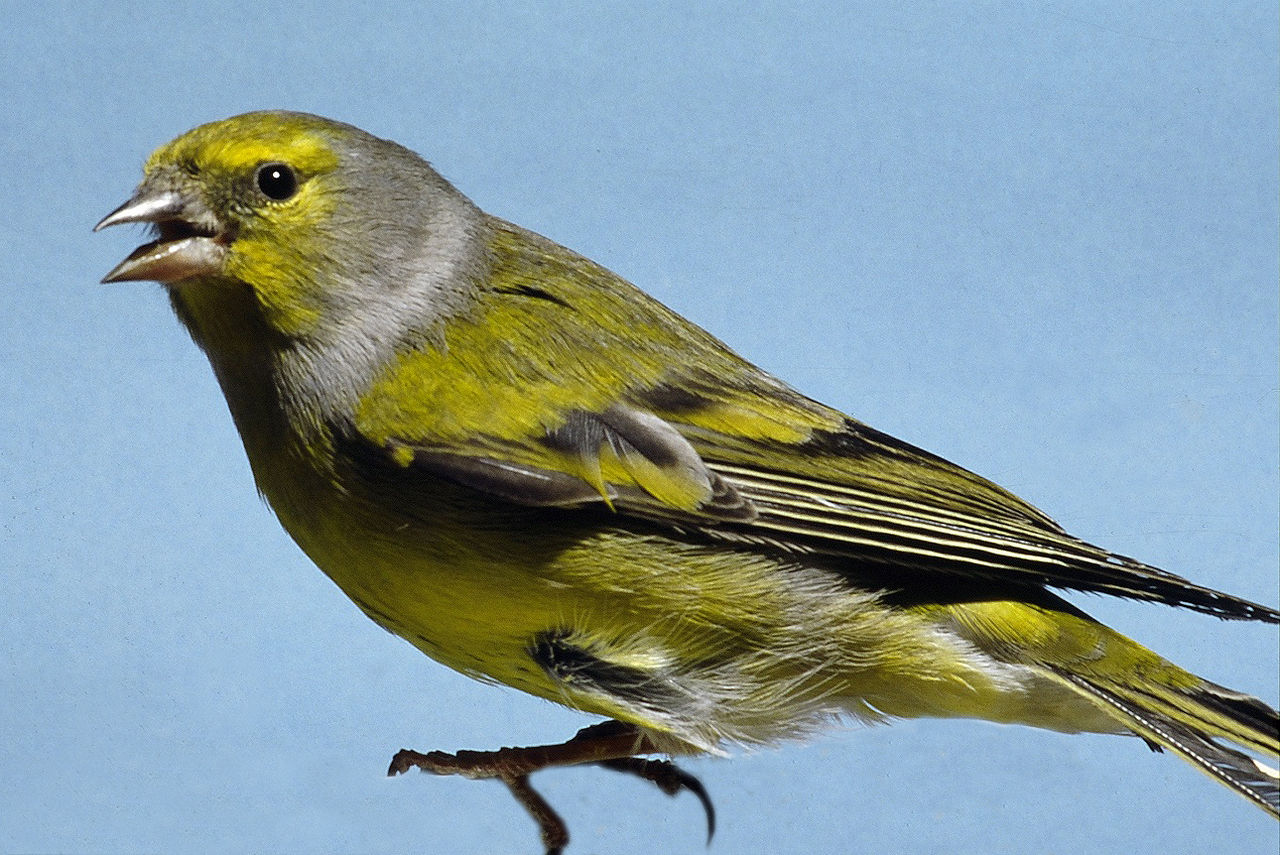
The citril finch, also known as the Alpine citril finch, is a small songbird, a member of the true finch family, Fringillidae.
Region
Alps and Pyrenees of southwestern and central Europe
Typical Environment
Found primarily in montane coniferous and mixed woodlands, especially with spruce, pine, and larch. It favors forest edges, clearings, and alpine meadows interspersed with scattered trees and shrubs. During winter it may move into lower-elevation valleys, parks, and farmland with seed-rich weeds. Breeding territories are typically near conifers that provide both food and nesting cover.
Altitude Range
800–2600 m
Climate Zone
Highland
Ease of Keeping
Beginner friendly: 2/5
The citril finch, also known as the Alpine citril finch, is a small mountain finch of the family Fringillidae found mainly in the Alps and Pyrenees. It often makes short altitudinal movements after breeding, descending to lower valleys in winter. It was once lumped with the Corsican finch but is now treated as a separate species. Its diet relies heavily on conifer seeds, and it frequents open woods and alpine meadows.


Carduelis citrinella MHNT
Temperament
social and active
Flight Pattern
undulating with short rapid wingbeats
Social Behavior
Outside the breeding season it forms small, loose flocks that may join other finches at feeding sites. Pairs establish small territories in spring, nesting in conifers where the female builds a neat cup of twigs, grass, and hair. Clutches usually contain 3–5 eggs, and many pairs raise two broods if conditions allow.
Migratory Pattern
Partial migrant
Song Description
A lively, twittering warble with rapid trills and sweet tinkling notes, often delivered from a treetop or during short song-flights. Calls include a thin, high 'tsit' and soft rattles, frequently given in flocks.
Plumage
Compact finch with greenish-olive upperparts, greyish head, and bright yellow face and underparts; wings show two pale wingbars and yellow panels. Females and juveniles are duller, more brownish and lightly streaked below with less yellow. Tail is dark with yellow edges, and the bill is short and conical.
Diet
Primarily takes small seeds from conifers (spruce, pine, larch) and herbaceous plants such as dandelions and thistles. It also nips buds and fresh shoots in spring. In the breeding season, adults supplement their own diet and feed nestlings with small insects and other invertebrates for protein.
Preferred Environment
Feeds along forest edges, clearings, and alpine meadows, often on the ground or low vegetation. In winter it frequents weedy fields, roadsides, and village edges where seed sources are concentrated.


