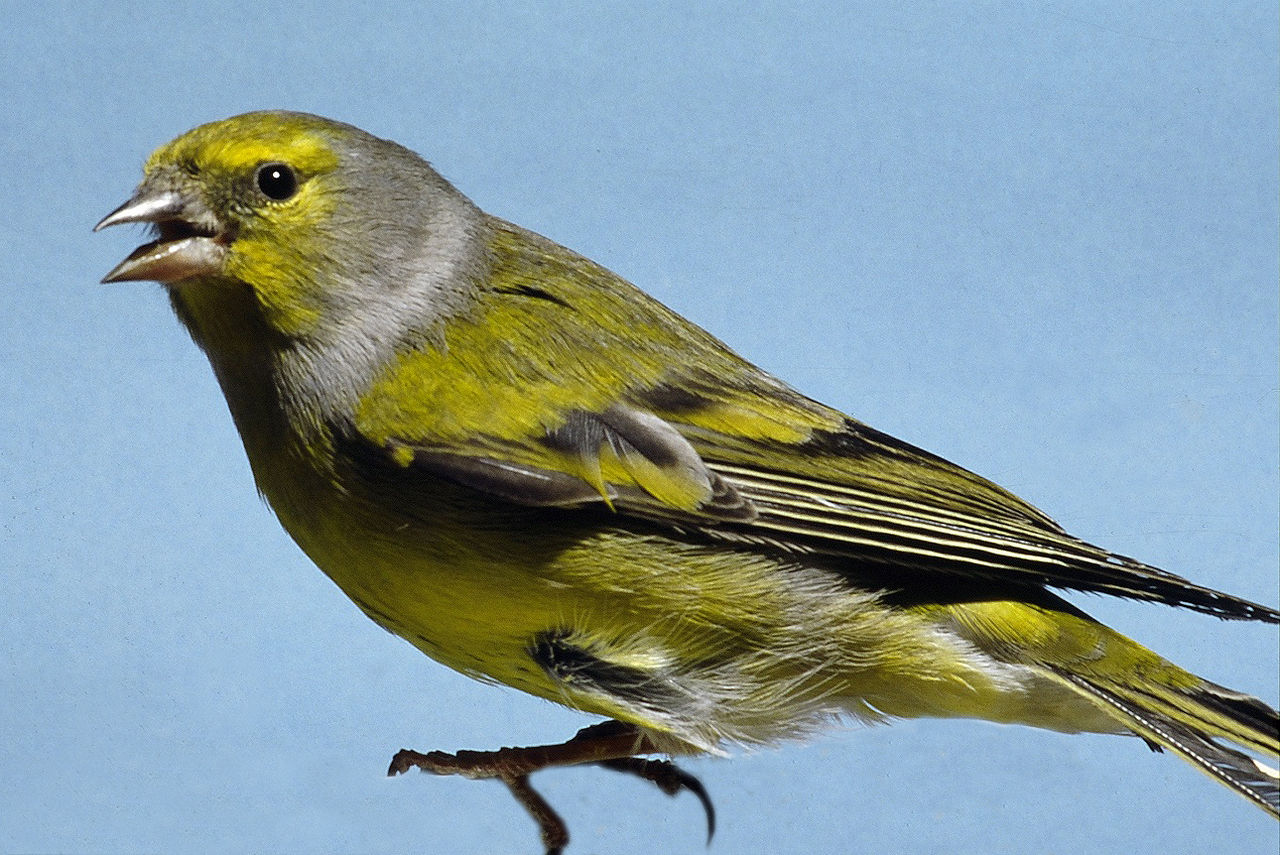
The Cipo canastero is a Near Threatened species of bird in the Furnariinae subfamily of the ovenbird family Furnariidae. It is endemic to Brazil.
Region
Southeastern Brazil (Serra do Espinhaço/Cipó)
Typical Environment
Occurs almost entirely within the Serra do Cipó and nearby outcrops of the Espinhaço Range in Minas Gerais. It favors rocky, quartzitic grasslands known as campo rupestre with scattered low shrubs and bunchgrasses. Birds keep close to the ground and use boulder fields, rocky ledges, and dense grass clumps for foraging and cover. It also appears at ecotones with open cerrado and along scrubby stream margins. Protected areas like Serra do Cipó National Park hold important portions of the population.
Altitude Range
900–1700 m
Climate Zone
Highland
Ease of Keeping
Beginner friendly: 1/5
The Cipo canastero is restricted to the campo rupestre of the Serra do Cipó in southeastern Brazil and is considered Near Threatened due to its tiny range and habitat pressures. It forages low in rocky grasslands, using its stiff, rufous tail for balance as it probes among tussocks and shrubs. Fire frequency, tourism, and localized development are key risks to its specialized habitat.


Temperament
solitary and territorial
Flight Pattern
short rapid wingbeats, low bounding flights between rocks and shrubs
Social Behavior
Usually seen alone or in pairs, maintaining year-round territories. Likely monogamous, with nests placed low in dense shrubs or grass clumps using sticks and grasses. Pairs keep close contact with soft calls while foraging in low cover.
Migratory Pattern
Resident
Song Description
Song is a thin, accelerating series of high-pitched notes that rises into a bright rattle before trailing off. Calls include sharp tiks and dry trills given from low perches or within shrub cover.
Plumage
Warm brown to rufescent upperparts with a pale, bold supercilium and fine streaking on the breast and sides; underparts buffy to whitish. Tail is long, graduated, and rufous with stiff-tipped feathers typical of furnariids.
Diet
Primarily arthropods such as beetles, ants, grasshoppers, and spiders gleaned from grass tussocks, leaf litter, and rock crevices. It probes carefully with its slender bill and occasionally makes short sallies to snatch prey. Seeds or plant matter may be taken incidentally but are not a major component.
Preferred Environment
Feeds in rocky grasslands with scattered shrubs, using boulder fields and dense bunchgrasses for cover. Often forages along edges of scrub and among quartzitic outcrops where prey concentrates.