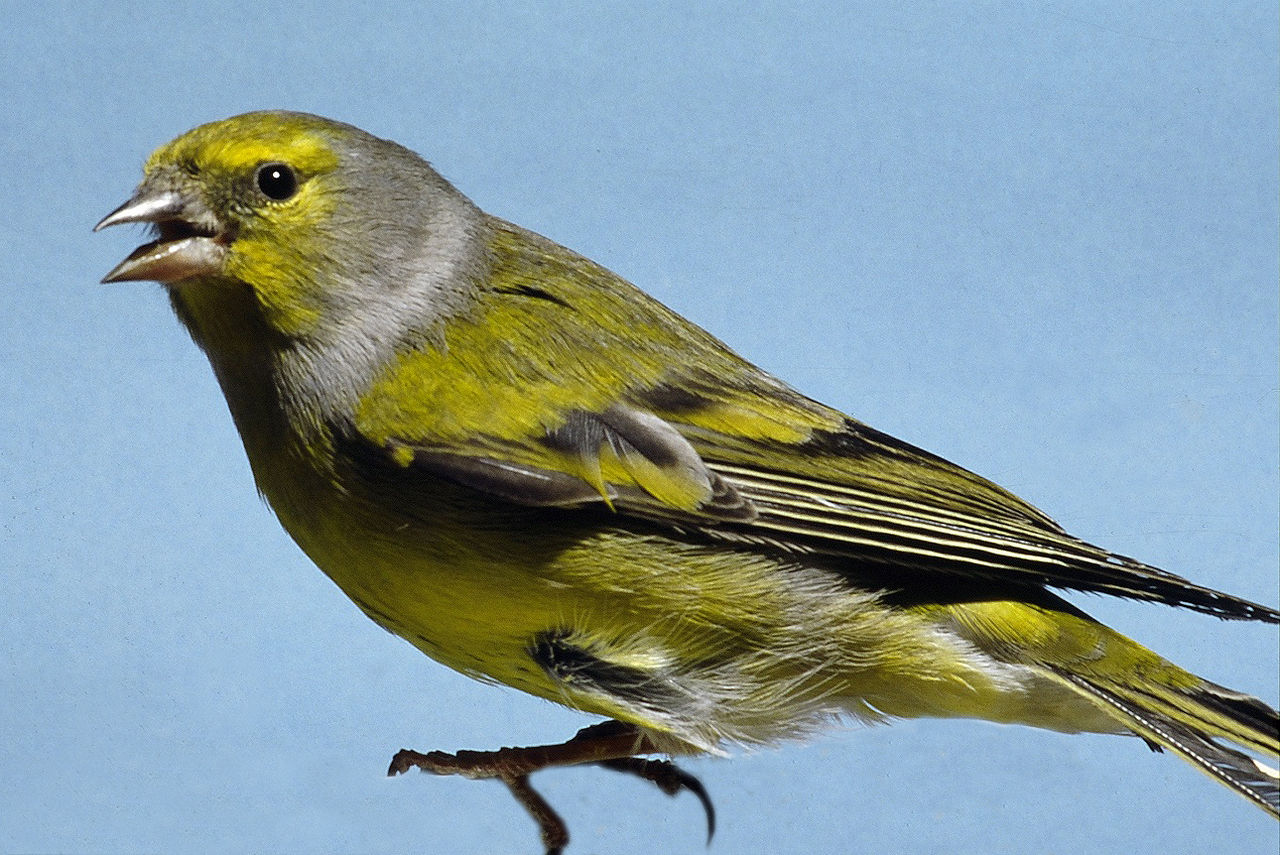
The cinnamon-throated woodcreeper is a sub-oscine passerine bird in subfamily Dendrocolaptinae of the ovenbird family Furnariidae. It is found in Bolivia, Brazil, Colombia, Ecuador, French Guiana, Guyana, Peru, Suriname, and Venezuela.
Region
Amazon Basin and the Guianas
Typical Environment
This species inhabits lowland tropical rainforests across northern South America, including terra firme and seasonally flooded (várzea) forests. It is also found along river edges, gallery forests, and in tall secondary growth, often near waterways. Birds typically forage from the mid-story to the canopy, hitching up trunks and large branches. It occurs from Colombia and Venezuela through the Guianas and much of Amazonian Brazil, reaching east into the Guianas and south into northern Bolivia and eastern Peru.
Altitude Range
Sea level to 1000 m
Climate Zone
Tropical
Ease of Keeping
Beginner friendly: 1/5
The cinnamon-throated woodcreeper is a suboscine of the ovenbird family, Furnariidae, specialized for climbing tree trunks in search of prey. It often joins mixed-species flocks and may accompany army-ant swarms to snatch flushed insects. Its rich cinnamon throat contrasts with otherwise warm brown plumage, making it one of the more distinctive woodcreepers. It is generally shy and most often detected by its mellow, whistled song.


D. r. devillei

Temperament
solitary and territorial
Flight Pattern
short rapid wingbeats between trunks
Social Behavior
Usually encountered alone or in pairs, it regularly joins mixed-species flocks while foraging through the mid-story. Pairs defend territories and nest in natural cavities or crevices, with both adults participating in care. Breeding behavior is discreet, and nests are typically placed in sheltered locations within forest interiors.
Migratory Pattern
Resident
Song Description
Song consists of a mellow series of clear, whistled notes, often slightly descending or even-paced. Calls include soft chips and short whistles given while foraging.
Plumage
Warm brown upperparts with rufous wings and tail; throat and upper breast rich cinnamon; underparts otherwise brown with faint mottling or subtle streaking; long, slightly decurved bill.
Diet
Primarily arthropods such as beetles, ants, termites, spiders, and other insects gleaned from bark and crevices. It occasionally takes small vertebrates like tiny lizards or froglets. The species often follows army-ant swarms to capture flushed prey and may sally short distances to snatch insects from foliage or bark.
Preferred Environment
Feeds by hitching up trunks and large branches in mature forest, especially in mid to upper levels. Common along river edges and in várzea where prey is abundant, and also exploits edges of clearings and tall secondary growth.