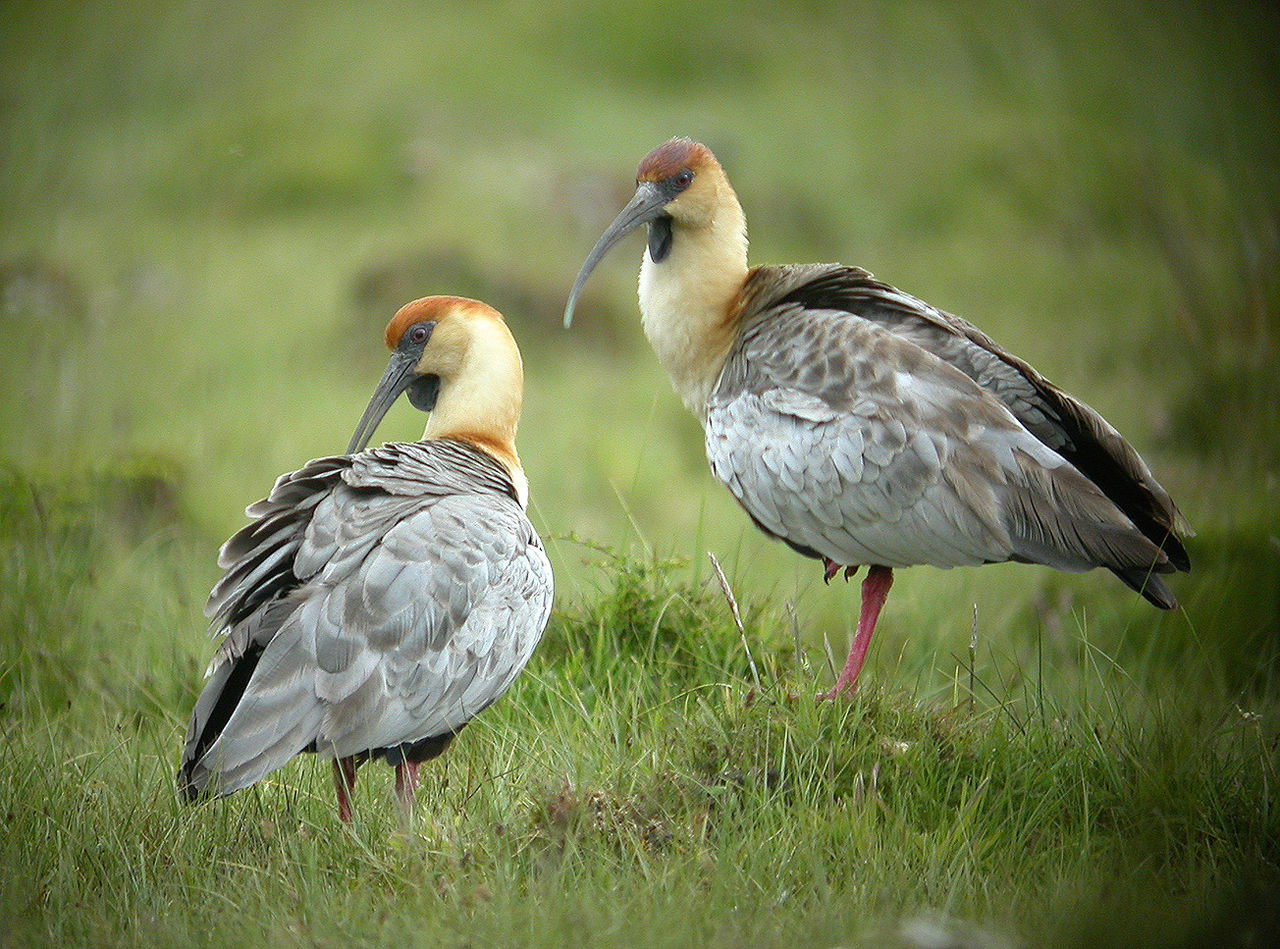
The black-faced grosbeak is a large seed-eating bird in the cardinal family (Cardinalidae), which is a resident breeding species from south-eastern Mexico to eastern Panama.
Region
Mesoamerica
Typical Environment
Occurs from southeastern Mexico south through Belize, Guatemala, and Honduras to Nicaragua, Costa Rica, and eastern Panama. It inhabits humid lowland and foothill forests, forest edges, and tall second growth, often favoring the Caribbean slope but local on the Pacific side as well. Birds use midstory to canopy strata and are regular at fruiting trees. They also venture into shaded plantations and semi-open woodland mosaics. The species is most often seen in pairs or small groups and with mixed flocks.
Altitude Range
0–1500 m
Climate Zone
Tropical
Ease of Keeping
Beginner friendly: 1/5
This robust grosbeak uses its heavy, pale bill to crack hard seeds and fruit pits that many other songbirds cannot handle. It frequently joins mixed-species feeding flocks in the forest midstory and canopy. The bold black facial mask is a key field mark, contrasting with olive-yellow body plumage. It is generally quiet and unobtrusive away from fruiting trees.


Temperament
social and active
Flight Pattern
short, direct flights with rapid wingbeats
Social Behavior
Often travels in small groups and readily joins mixed-species flocks in the midstory and canopy. Breeding pairs build a cup nest in shrubs or small trees, and both sexes help feed the young. Territoriality is moderate around the nest but otherwise birds are tolerant when food is abundant.
Migratory Pattern
Resident
Song Description
Song is a series of rich, whistled phrases and warbles delivered from mid-canopy perches. Calls include sharp pik notes and metallic chips, especially when in flocks. Vocalizations carry well through dense foliage but are not continuous.
Plumage
Olive-yellow overall with a conspicuous black face and throat, dusky wings and tail, and a very thick pale bluish horn-colored bill. Underparts are yellowish to olive-yellow, with cleaner yellow on the belly in many individuals. Lacks wingbars and shows a fairly uniform olive back.
Diet
Feeds on a mix of hard seeds, fruits, and berries, using its powerful bill to crack pods and pits. Supplements the diet with insects such as beetles and caterpillars, especially during the breeding season. Will take buds and tender shoots when available and often focuses on fruiting trees. Foraging is typically deliberate, gleaning and plucking rather than sallying.
Preferred Environment
Forages in the midstory and canopy of humid forest, edges, and tall second growth. Frequently visits fruiting trees along forest margins and in shaded plantations like cacao or coffee. Occasionally descends lower along trails and clearings where food resources are concentrated.