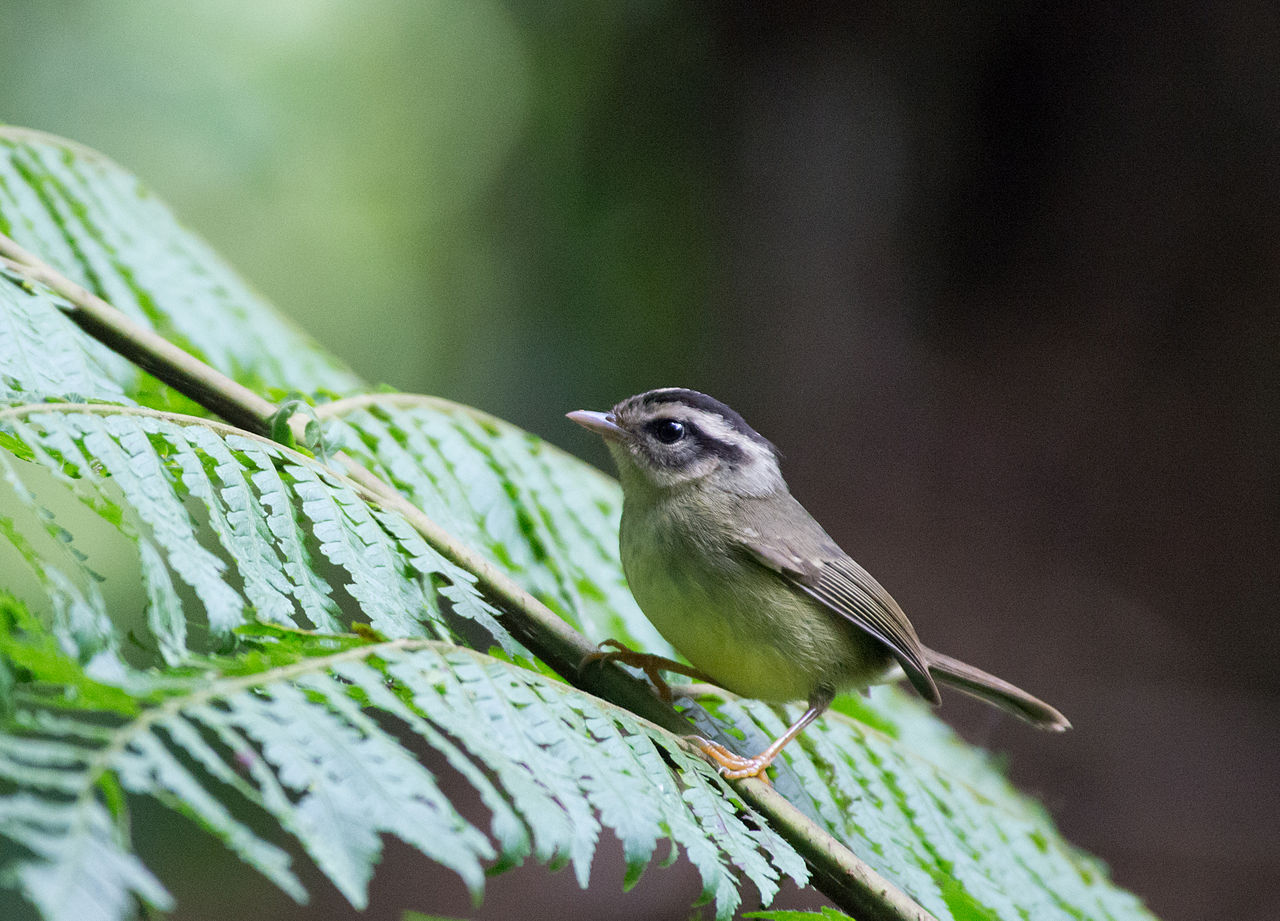
The black-eared miner is an endangered honeyeater endemic to mallee woodland in south-eastern Australia.
Region
Southeast Australia
Typical Environment
Primarily inhabits old-growth mallee eucalypt woodlands on sandy, well-drained soils. It favors multi-stemmed mallee stands with a dense shrub layer and scattered open patches for foraging. The species avoids heavily cleared agricultural landscapes and is sensitive to frequent fire. Key strongholds persist in protected mallee reserves and large, contiguous habitat blocks.
Altitude Range
0–400 m
Climate Zone
Arid
Ease of Keeping
Beginner friendly: 1/5
The black-eared miner is a colonial honeyeater of Australia’s mallee woodlands, distinguished by its bold black ear patch. It is highly social and practices cooperative breeding, with helpers assisting at the nest. Habitat loss and extensive hybridization with the closely related yellow-throated miner pose major threats. Conservation focuses on protecting old-growth mallee and managing hybrid zones.


![Yellow-throated miner (right) and black-eared miner × yellow-throated miner hybrid (left). Recent contact of black-earned miner and yellow-throated miner populations is due to human impacts on mallee habitat[6]](https://upload.wikimedia.org/wikipedia/commons/thumb/9/99/Yellow-throated_Miner_and_Black-eared_Miner_%C3%97_Yellow-throated_Miner_hybrid_0A2A0395.jpg/1280px-Yellow-throated_Miner_and_Black-eared_Miner_%C3%97_Yellow-throated_Miner_hybrid_0A2A0395.jpg)
Yellow-throated miner (right) and black-eared miner × yellow-throated miner hybrid (left). Recent contact of black-earned miner and yellow-throated miner populations is due to human impacts on mallee habitat[6]
Temperament
social and active
Flight Pattern
short rapid wingbeats with direct, bounding flights between trees
Social Behavior
Lives in cohesive colonies with cooperative breeding; multiple helpers assist a breeding pair. Nests are cup-shaped and placed in dense mallee foliage. Territories are defended vigorously against intruders and neighboring groups. Hybridization with yellow-throated miners can occur where habitats are disturbed.
Migratory Pattern
Resident
Song Description
A mix of chattering notes, nasal scolds, and clear piping contact calls. Choruses arise at colony sites, especially at dawn. Alarm calls are sharper and more insistent when predators approach.
Plumage
Grey-olive upperparts with paler grey underparts and subtle scalloping; flight feathers darker with pale edging.
Diet
Feeds on nectar from flowering eucalypts and other mallee plants, supplemented by lerp, honeydew, and a variety of insects and spiders. Gleans from foliage and bark and occasionally hawks for flying insects. Will also take small fruits and plant material opportunistically.
Preferred Environment
Forages mainly in the mid to upper canopy of mature mallee, especially in flowering trees. Uses edges, open patches, and recently burned areas where nectar and insects are concentrated. Rarely feeds on the ground except to pursue insects or drink.