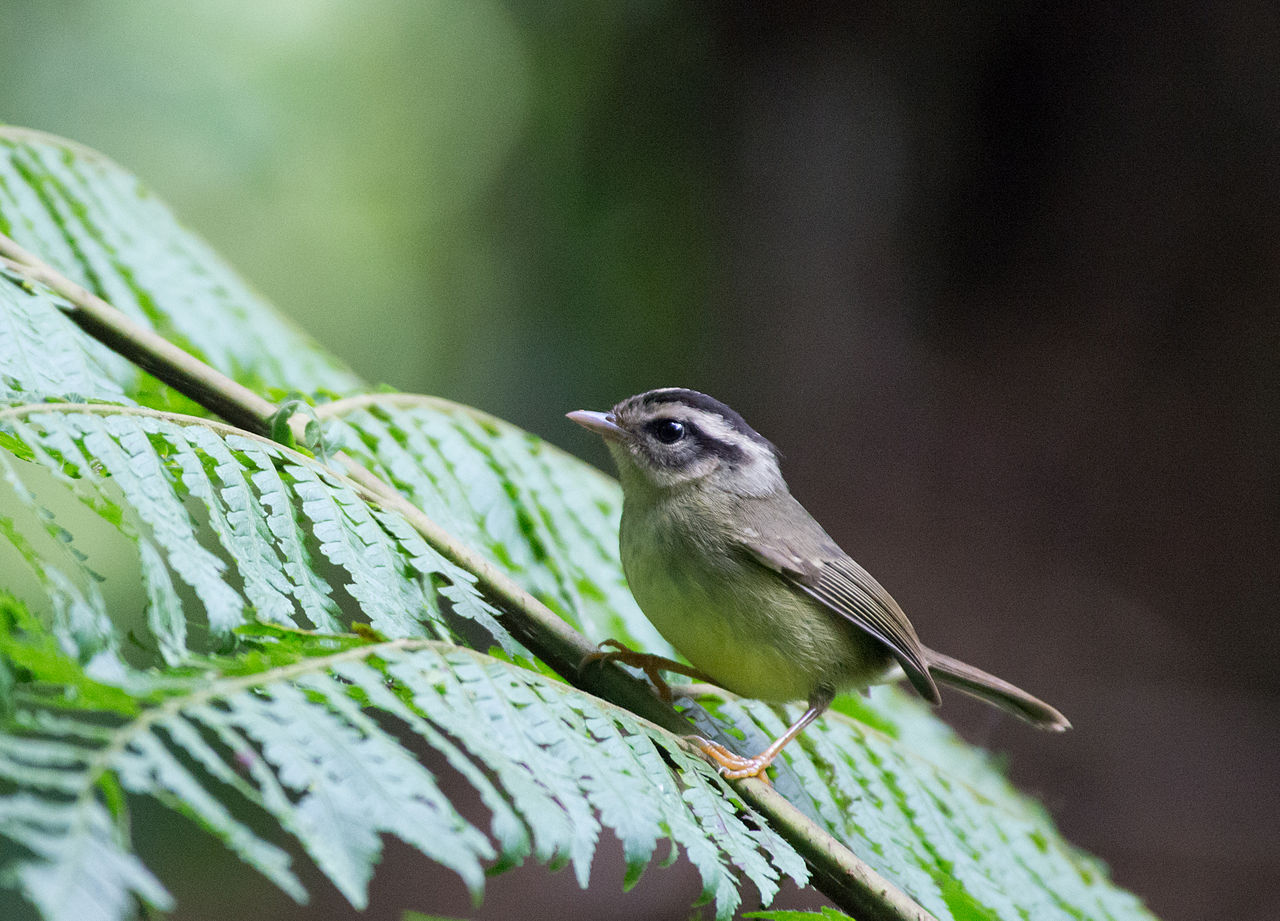
The black-eared oriole, or Buru oriole, is a species of bird in the family Oriolidae. It is native to Buru island.
Region
Maluku Islands (Wallacea), Indonesia
Typical Environment
Endemic to Buru Island, where it inhabits tropical lowland and lower montane forests. It uses primary forest, secondary growth, forest edges, and occasionally wooded gardens or plantations near forest. The species is most often seen in the mid to upper canopy, moving methodically between fruiting and insect-rich trees. While tolerant of some habitat disturbance, it remains most numerous in larger forest blocks. Riparian corridors and ridgelines with mature trees are frequently used travel routes.
Altitude Range
Sea level to 1500 m
Climate Zone
Tropical
Ease of Keeping
Beginner friendly: 1/5
Also known as the Buru oriole, this species is confined to Buru Island in Indonesia’s Maluku Islands. It frequents the forest canopy where its mellow, fluty calls carry over long distances. Like many orioles, it feeds on both insects and fruit, helping control herbivorous insects and disperse seeds. It adapts to secondary forest and edges, though intact forest remains important.

Temperament
shy and canopy-dwelling
Flight Pattern
strong, direct flight with short rapid wingbeats
Social Behavior
Usually found singly, in pairs, or small family groups, sometimes joining mixed-species flocks in the canopy. Breeding pairs are territorial, building a suspended cup nest slung between forked twigs high in a tree. Both sexes are believed to share nesting duties, with discreet movements around the nest site to avoid detection.
Migratory Pattern
Resident
Song Description
Song is a series of mellow, fluty whistles delivered at measured pace, often with rising and falling phrases. Calls include liquid chups and short scolds when alarmed. The voice carries well through the forest canopy, especially at dawn.
Plumage
Bright yellow underparts with olive-yellow to greenish upperparts and darker wings; contrasting black ear-coverts form a distinct mask. Wings and tail are dusky with yellow edging, giving a subtly barred look in flight. Plumage is sleek and close-feathered, suited for canopy movement.
Diet
Takes a mixed diet of insects (caterpillars, beetles, orthopterans) and soft fruits such as figs and other native berries. It gleans prey from leaves and twigs, sometimes sallying short distances to snatch flying insects. Fruit is swallowed whole when small or torn into pieces with the bill. Occasional nectar sipping has been observed when flowers are abundant.
Preferred Environment
Forages primarily in the mid to upper canopy of mature and secondary forest. Frequently visits fruiting trees and edges where insect activity is high. Will use tall trees in gardens or plantations adjacent to forest.