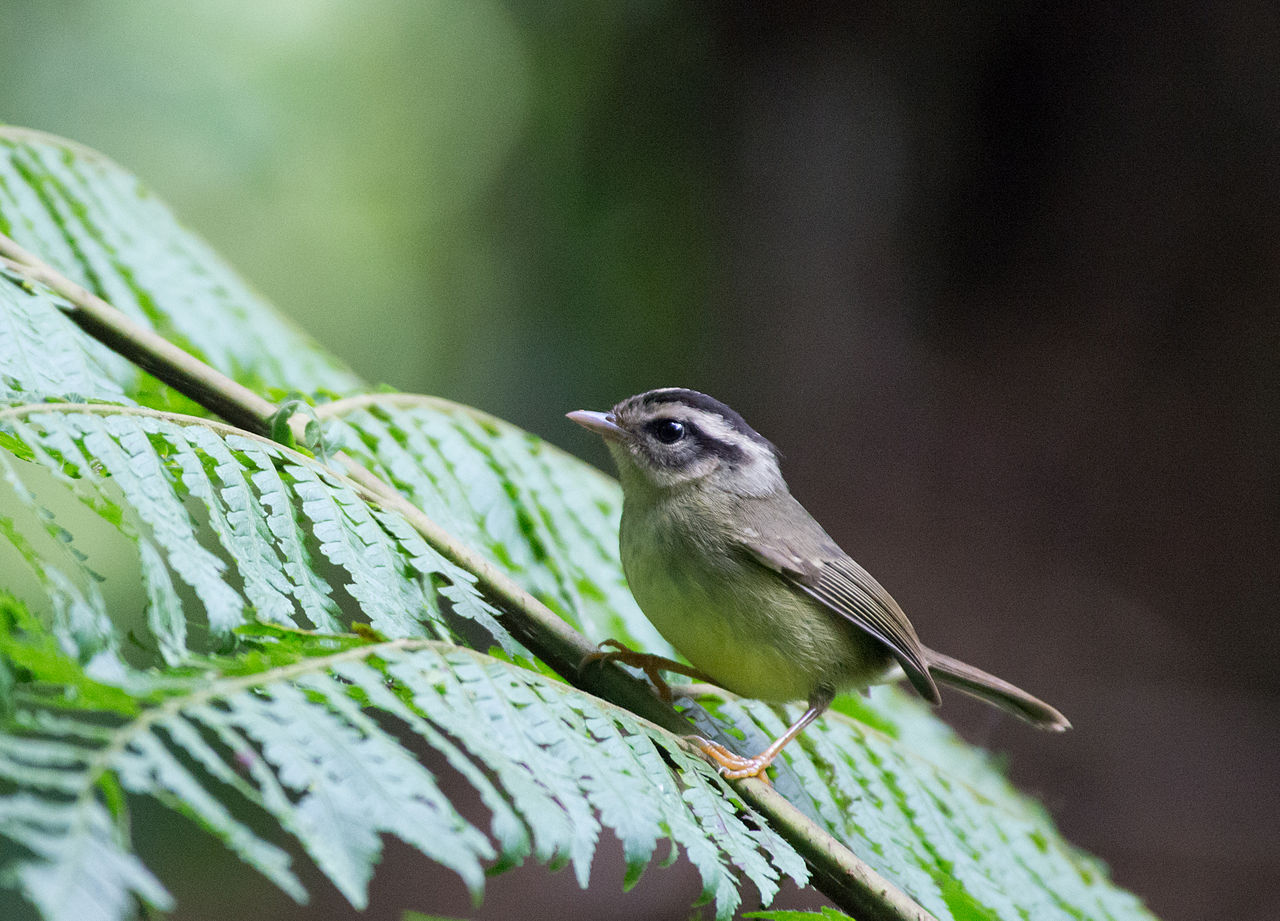
The black-eared seedeater is a species of finch in the family Fringillidae. It is found in Angola, Botswana, Democratic Republic of the Congo, Malawi, Mozambique, Namibia, South Africa, Tanzania, Zambia, and Zimbabwe. Its natural habitats are subtropical or tropical dry forest and dry savanna.
Region
South-central and Southern Africa
Typical Environment
Occurs widely from Angola and the Democratic Republic of the Congo south through Zambia, Malawi, Tanzania, Mozambique, Zimbabwe, Botswana, Namibia, and into South Africa. It favors dry savanna, miombo and mopane woodlands, and lightly wooded scrub. Often found along woodland edges, in clearings, and in secondary growth. It may also use farmlands and fallow fields where seeding grasses are abundant. Local movements follow food availability after rains.
Altitude Range
200–2000 m
Climate Zone
Tropical
Ease of Keeping
Beginner friendly: 2/5
The black-eared seedeater is a small African finch best known for the male’s dark ear patch that contrasts with its otherwise yellow-olive plumage. It frequents dry woodlands and savannas and often gathers in small flocks outside the breeding season. Like many finches, it supplements a mainly seed-based diet with insects during breeding.

Temperament
social and active
Flight Pattern
short rapid wingbeats
Social Behavior
Often seen in pairs during the breeding season and in small flocks or loose associations at other times. Likely monogamous, building a neat cup nest low in shrubs or small trees. Adults may form mixed-species foraging groups with other small seedeaters when food is abundant.
Migratory Pattern
Resident
Song Description
A lively, tinkling series of twittering notes and trills typical of canaries. Calls include soft chips and buzzy notes given in flight or while foraging.
Plumage
Compact finch with yellow-olive to olive-brown upperparts and paler yellow-tinged underparts; males show a contrasting dark ear patch. Females and immatures are duller, with faint streaking and a less distinct or absent ear patch.
Diet
Primarily eats small seeds from grasses and forbs, taking seeding heads directly or gleaning from the ground. Will also consume buds and soft plant material. During the breeding season, it supplements the diet with small insects such as aphids and other arthropods to provide protein for nestlings.
Preferred Environment
Feeds in open patches within dry woodland, along edges, and in grassy clearings. Also forages in fallow fields, weedy margins, and roadside verges where seed is plentiful.