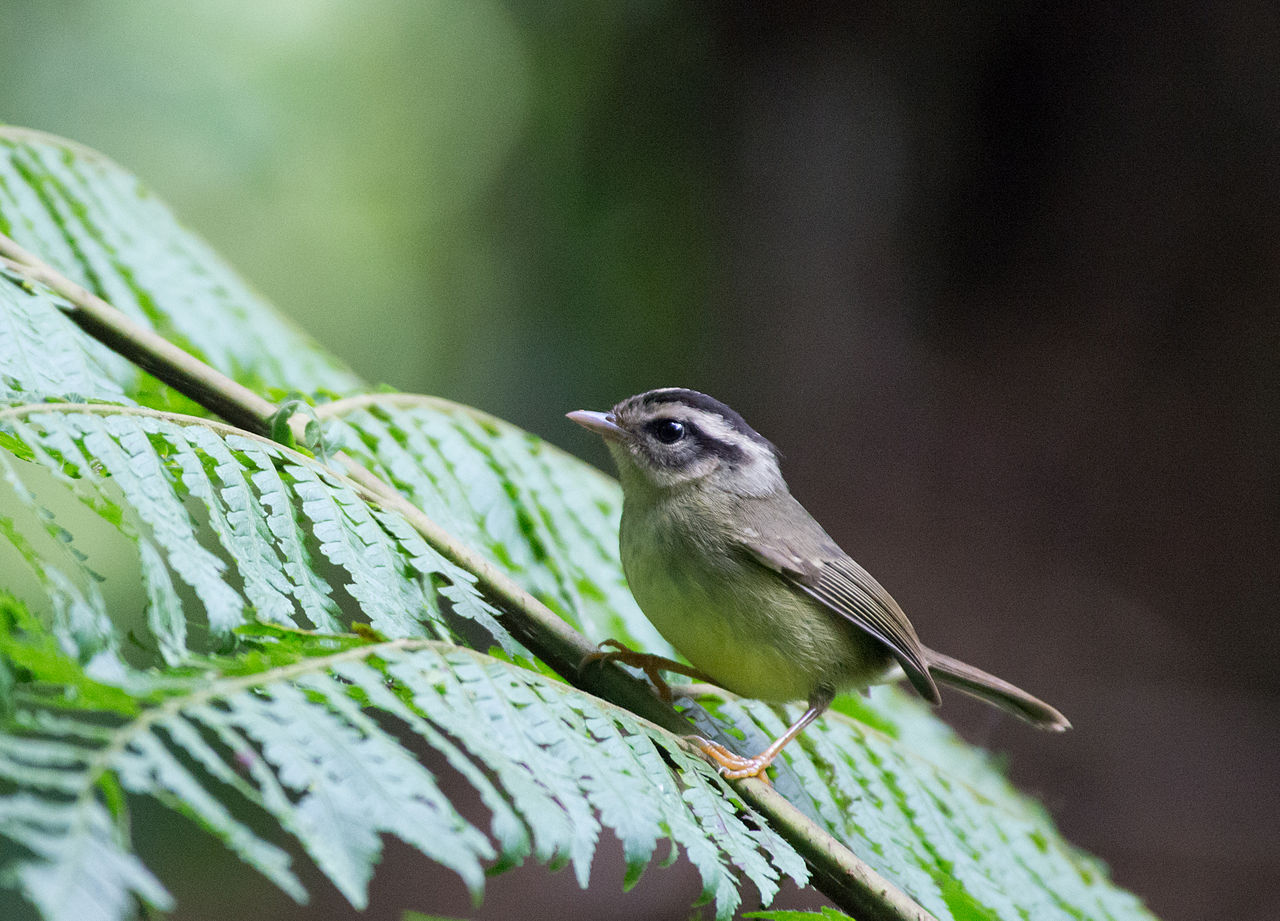
The black-eared sparrow-lark or black-eared finch lark is a species of lark in the family Alaudidae. It is found in southern Botswana, Namibia, and South Africa. Its natural habitats are subtropical or tropical dry shrubland and subtropical or tropical dry lowland grassland.
Region
Southern Africa
Typical Environment
Occurs in southern Botswana, Namibia, and South Africa, especially in semi-arid to arid shrublands and open dry grasslands. It favors gravel plains, sandy flats, and sparsely vegetated dunes or pans. The species is closely tied to areas with low, patchy cover where it can forage on the ground. After rains, it may shift locally to exploit fresh seed flushes and insect emergences.
Altitude Range
Sea level to 1800 m
Climate Zone
Arid
Ease of Keeping
Beginner friendly: 1/5
The black-eared sparrow-lark, also called the black-eared finch-lark, is a small ground-dwelling lark adapted to arid, sparsely vegetated landscapes. It often forms loose flocks outside the breeding season and may move locally in response to rainfall and seed availability. Males show striking facial contrast with a characteristic dark ear patch, while females are more cryptically patterned for camouflage.


Temperament
social and wary
Flight Pattern
short rapid wingbeats with low bounding flight
Social Behavior
Often seen in pairs during breeding season and in small, loose flocks at other times. Nests on the ground in a shallow scrape, typically well-camouflaged among stones or sparse tufts. Likely monogamous, with both sexes involved in vigilance near the nest.
Migratory Pattern
Resident
Song Description
Soft, tinkling trills and chirps delivered from the ground or a short fluttering display flight. Calls include dry chips and buzzes, especially during foraging and flock contact.
Plumage
Compact lark with sandy-brown upperparts and pale underparts; males have bold contrasting facial patterns with a distinct dark ear patch. Females and immatures are duller, buffy-brown and finely streaked above, aiding ground camouflage.
Diet
Consumes mainly grass and forb seeds picked from the ground, supplemented by small invertebrates such as termites, ants, and beetles. Insects are taken more frequently during the breeding season and after rains. It forages by walking and pecking, often in small groups.
Preferred Environment
Feeds in open, sparsely vegetated flats, gravelly pans, and sandy plains where seeds accumulate. Often uses disturbed patches or recently burnt areas with exposed ground.