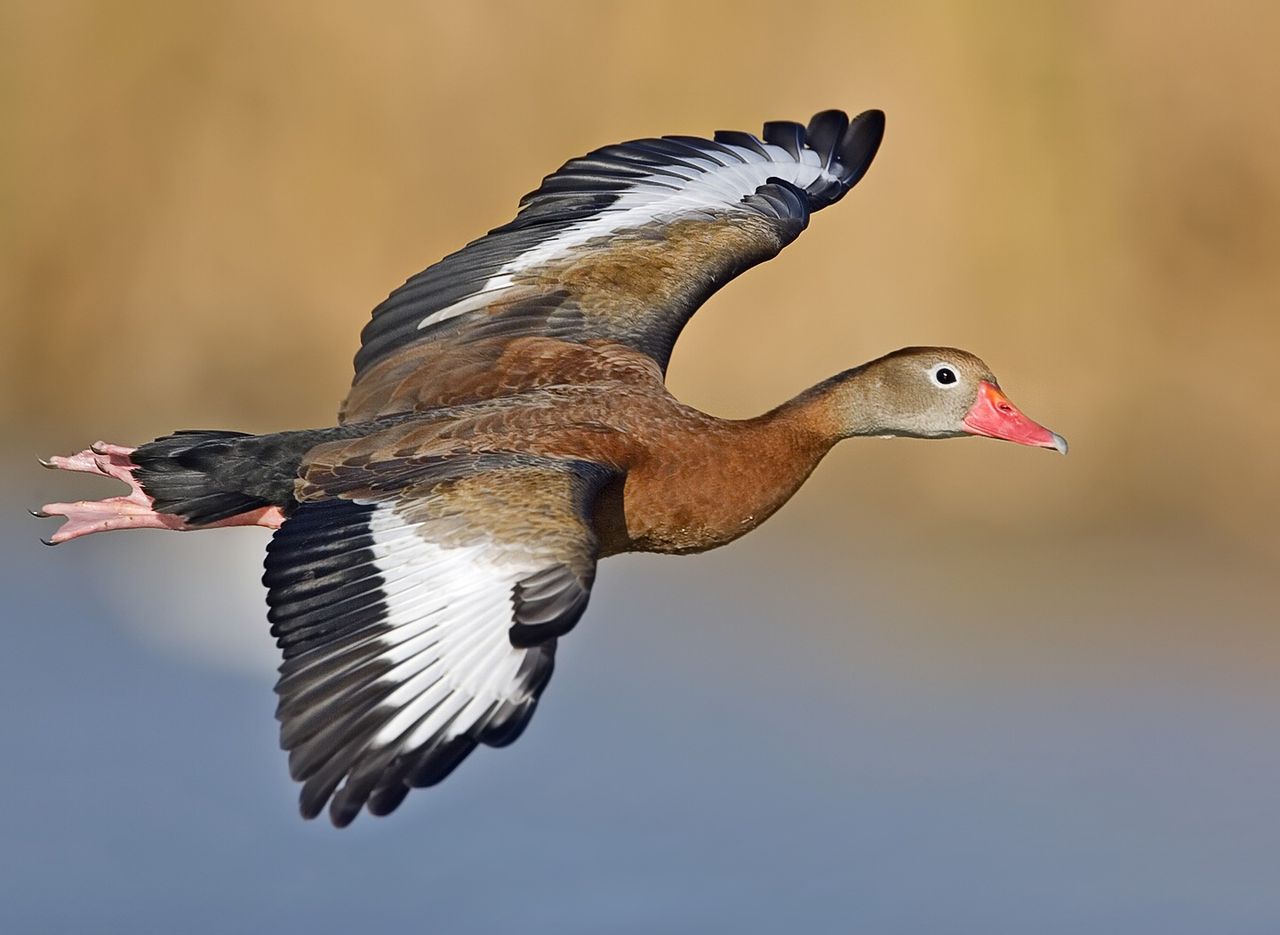
The black-bellied seedeater is a species of bird in the family Thraupidae. It is endemic to Brazil.
Region
Atlantic Forest fringe and southern Brazilian grasslands
Typical Environment
Occurs in wet grasslands, marshy meadows, edges of wetlands and lagoons, and seasonally flooded pastures where seeding grasses are abundant. Often found in low vegetation near water, including reedbeds and sedge-dominated areas. Uses disturbed and secondary habitats provided that grass seed resources are present. During nonbreeding periods it may roam locally following ripening grass seeds.
Altitude Range
Sea level to 1000 m
Climate Zone
Subtropical
Ease of Keeping
Beginner friendly: 1/5
This small tanager is a specialist seed-cracker with a stout bill and a distinctive male pattern featuring a dark belly. It inhabits wet or seasonally flooded grasslands and marsh edges where grasses ripen in pulses. Habitat loss and trapping for the cage-bird trade have impacted many seedeaters, including this species. Its simple, tinkling song varies among individuals and is used in mate attraction and territorial defense.


Temperament
shy and discreet
Flight Pattern
short rapid wingbeats
Social Behavior
Typically seen singly, in pairs, or in small loose groups, especially where grasses are seeding. Males advertise from exposed perches during the breeding season and defend small territories. Nests are small cups placed low in grasses or shrubs; both parents contribute to care of the young.
Migratory Pattern
Partial migrant
Song Description
A soft, tinkling series of high notes and short trills, delivered from a low perch. Calls include thin seee and chip notes used to keep contact within pairs or small groups.
Plumage
Male shows a contrasting dark to blackish belly with grayish upperparts and cleaner pale areas on the throat and breast; female is warm brown overall with subtle streaking and a paler belly.
Diet
Primarily consumes seeds of grasses and sedges, husking them with its strong conical bill. Will take fresh green seeds when available and may supplement with small insects during the breeding season. Forages methodically, gleaning seed heads and picking fallen seeds from the ground.
Preferred Environment
Feeds in low, rank grass, at marsh edges, and along ditches and flooded pastures. Often forages quietly within dense vegetation or along the margins of wetlands.