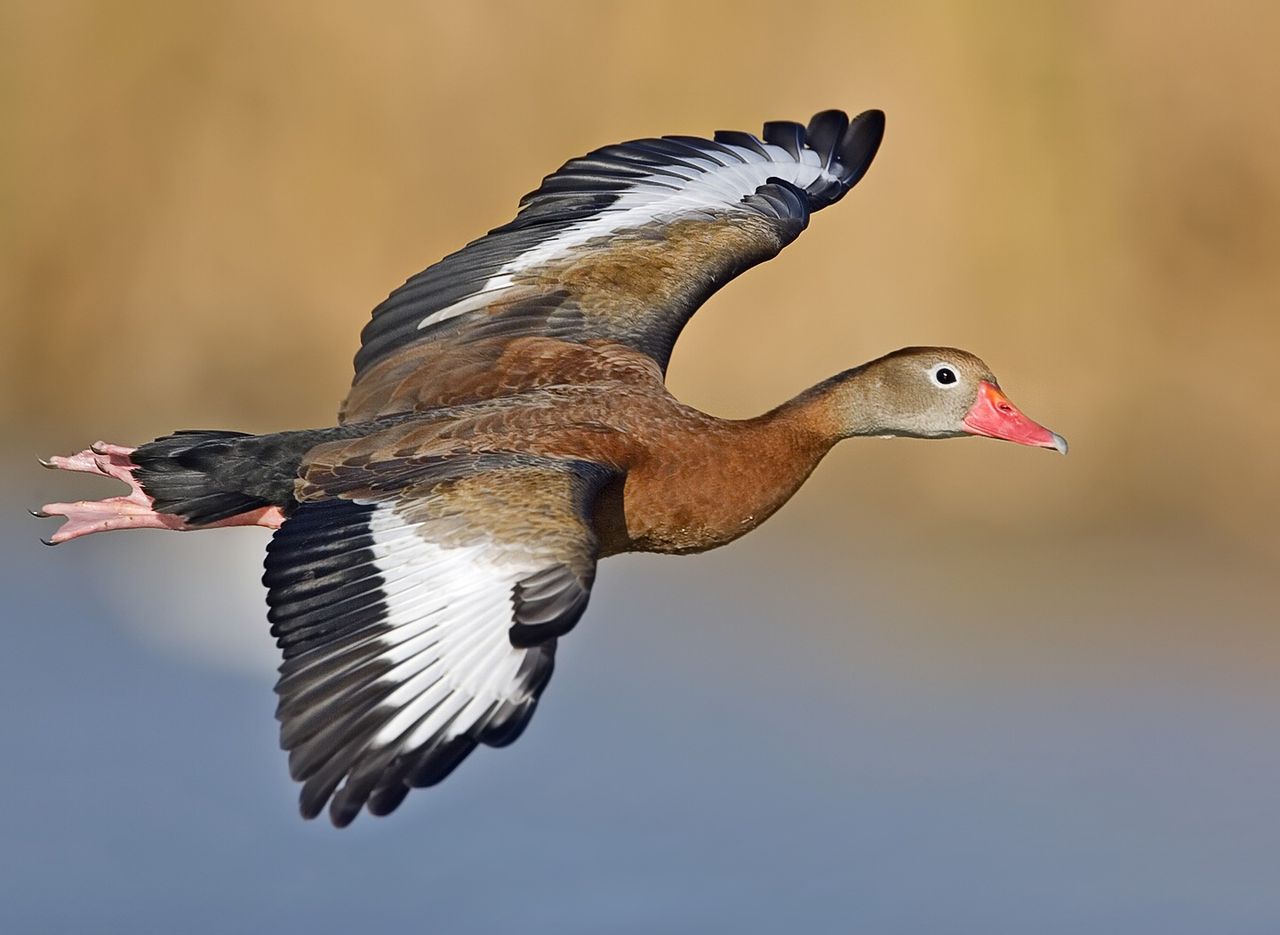
The black-bellied starling is a species of starling in the family Sturnidae, originally described by zoologist Alexander von Nordmann in 1835. It is found in Eswatini, Kenya, Mozambique, Somalia, South Africa, Tanzania, and Zimbabwe.
Region
East and Southern Africa (coastal belt)
Typical Environment
Found from southern Somalia through coastal Kenya and Tanzania to Mozambique, Eswatini, northeastern South Africa, and parts of eastern Zimbabwe. It favors coastal and lowland evergreen forest, riverine woodland, forest edge, and well-treed gardens and plantations. The species often occupies mosaics of thicket and woodland and can persist in partially degraded or secondary habitats if large trees remain. It is less common deep in closed-canopy forest and avoids very open savanna.
Altitude Range
Sea level to 1800 m
Climate Zone
Subtropical
Ease of Keeping
Beginner friendly: 2/5
This glossy starling frequents coastal and riverine forests, often moving in small, noisy groups through the canopy. It readily visits fruiting trees and gardens, helping disperse seeds while also feeding on insects. Pairs nest in natural cavities or old woodpecker holes, lining them with plant material. Its bright iris and contrasting dark belly make it one of the easier African starlings to identify.

Temperament
social and active
Flight Pattern
short rapid wingbeats with direct, purposeful flight
Social Behavior
Usually seen in pairs or small groups, sometimes joining mixed-species flocks in the canopy. Pairs are territorial in the breeding season and nest in tree cavities, often reusing or enlarging existing holes. Both parents typically assist in feeding the young.
Migratory Pattern
Resident
Song Description
A varied series of whistles, chatters, and metallic notes delivered from perches high in trees. Calls are loud and carry well, often given in duets or group choruses.
Plumage
Glossy metallic green to blue-green head and upperparts with a distinctly darker, velvety black belly and vent; wings show a subtle bluish sheen.
Diet
Eats a mix of fruits (such as figs and other soft berries) and a wide range of invertebrates including beetles, caterpillars, and termites. It may glean insects from foliage and bark and occasionally hawk for flying insects. The species also takes nectar and will opportunistically sample cultivated fruits.
Preferred Environment
Forages in the mid to upper canopy of forests and along forest edges, as well as in wooded gardens and plantations. Often concentrates around fruiting trees and along river corridors where insect activity is high.