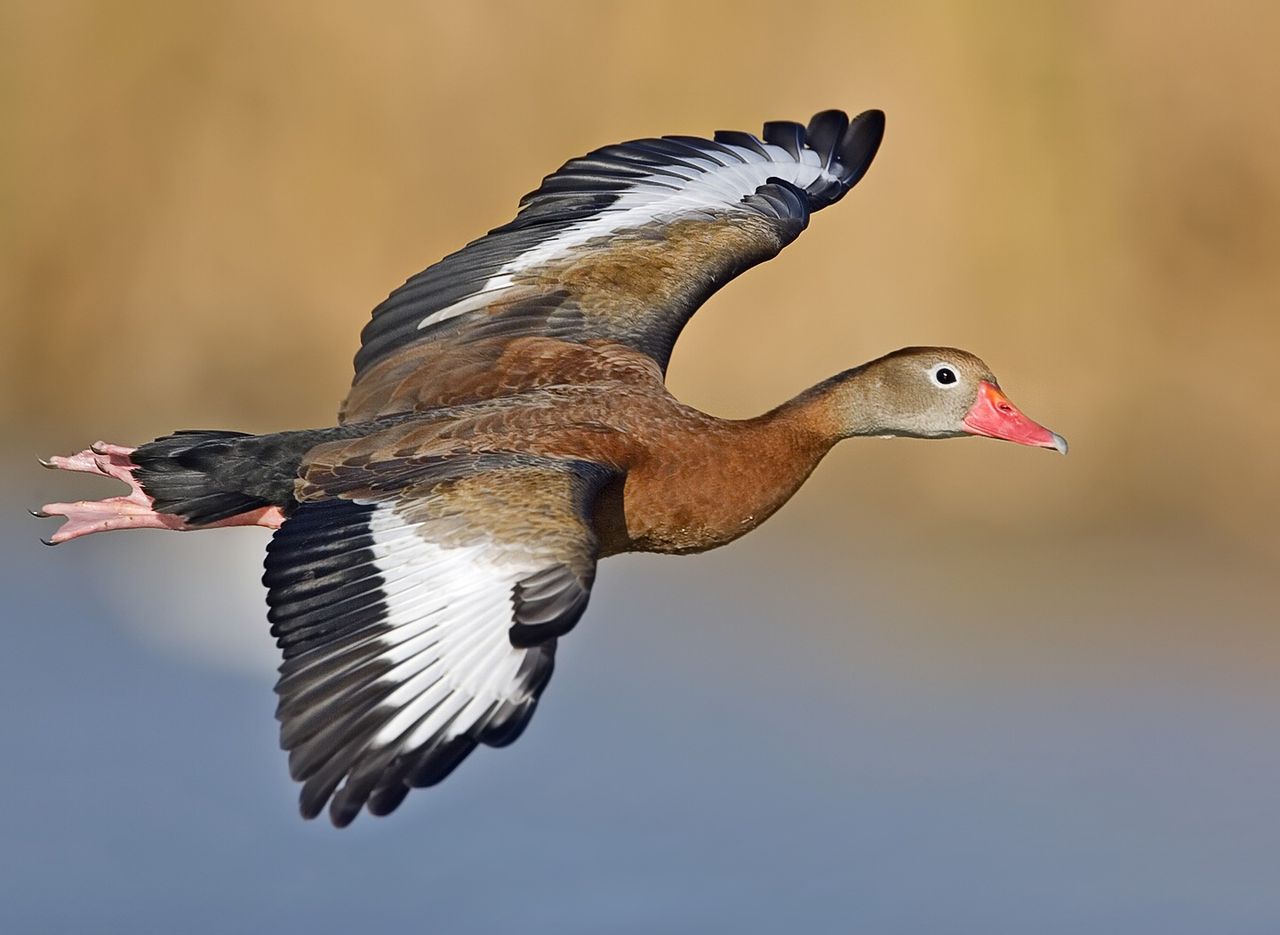
The black-bellied sunbird (Cinnyris nectarinioides) is a small sunbird located primarily in Africa. Two subspecies are recognized: the Cinnyris nectarinioides erlangeri, which is smaller and found in Ethiopia, Somalia, and Kenya; and the Cinnyris nectarinioides nectarinioides, which is larger and found in Kenya and Tanzania. This bird inhabits savannah, wetlands, and terrestrial freshwater areas.
Region
Horn of Africa and East African Rift Valley
Typical Environment
Occurs from eastern Ethiopia and northern Somalia south through eastern Kenya to northern and central Tanzania. It frequents dry savanna, acacia and commiphora scrub, and bushy lake margins, as well as edges of wetlands and riverine thickets. The species is often associated with flowering shrubs, aloes, and trees, shifting locally as blooms emerge. It tolerates semi-arid landscapes provided nectar sources and small insects are available.
Altitude Range
Sea level to 2000 m
Climate Zone
Tropical
Ease of Keeping
Beginner friendly: 1/5
The black-bellied sunbird is a tiny, highly active nectar-feeder that can hover briefly like a hummingbird but usually perches to drink from flowers. Males are striking with iridescent upperparts and a contrasting black belly, while females are drabber and better camouflaged. It times movements to flowering shrubs and trees and supplements nectar with small insects, especially when feeding chicks. Two subspecies are recognized, with the northern erlangeri generally smaller than the nominate form.

Temperament
active and territorial
Flight Pattern
short rapid wingbeats with brief hovering
Social Behavior
Generally seen singly or in pairs, with males defending small feeding territories when flowers are abundant. Nest is a delicate, hanging purse-like structure woven from plant fibers and spider webs, typically suspended in shrubbery. Breeding behavior includes courtship chases and display flights; both parents attend the young.
Migratory Pattern
Resident
Song Description
Calls are high, thin tsee-tsee and rapid squeaky chips. The song is a short series of high-pitched trills and twitters delivered from exposed perches, often interspersed with sharp contact notes.
Plumage
Male with glossy, iridescent green head and upperparts, a narrow metallic purple breast band, and a stark black belly; wings and tail dark. Female is olive-brown above with paler greyish to yellowish underparts and lacks the male’s iridescence. Both sexes have a slender, down-curved bill adapted for nectar feeding.
Diet
Primarily consumes nectar from flowering shrubs and trees such as acacias and aloes. Also takes small insects and spiders gleaned from foliage or hawked in short sallies, especially during the breeding season. Will visit gardens and flowering hedges when available.
Preferred Environment
Feeds in bushy savanna, scrub, and along lake and river edges where flowering plants are concentrated. Often forages at mid to low levels in shrubs but will ascend to tree canopies when blooms are present.