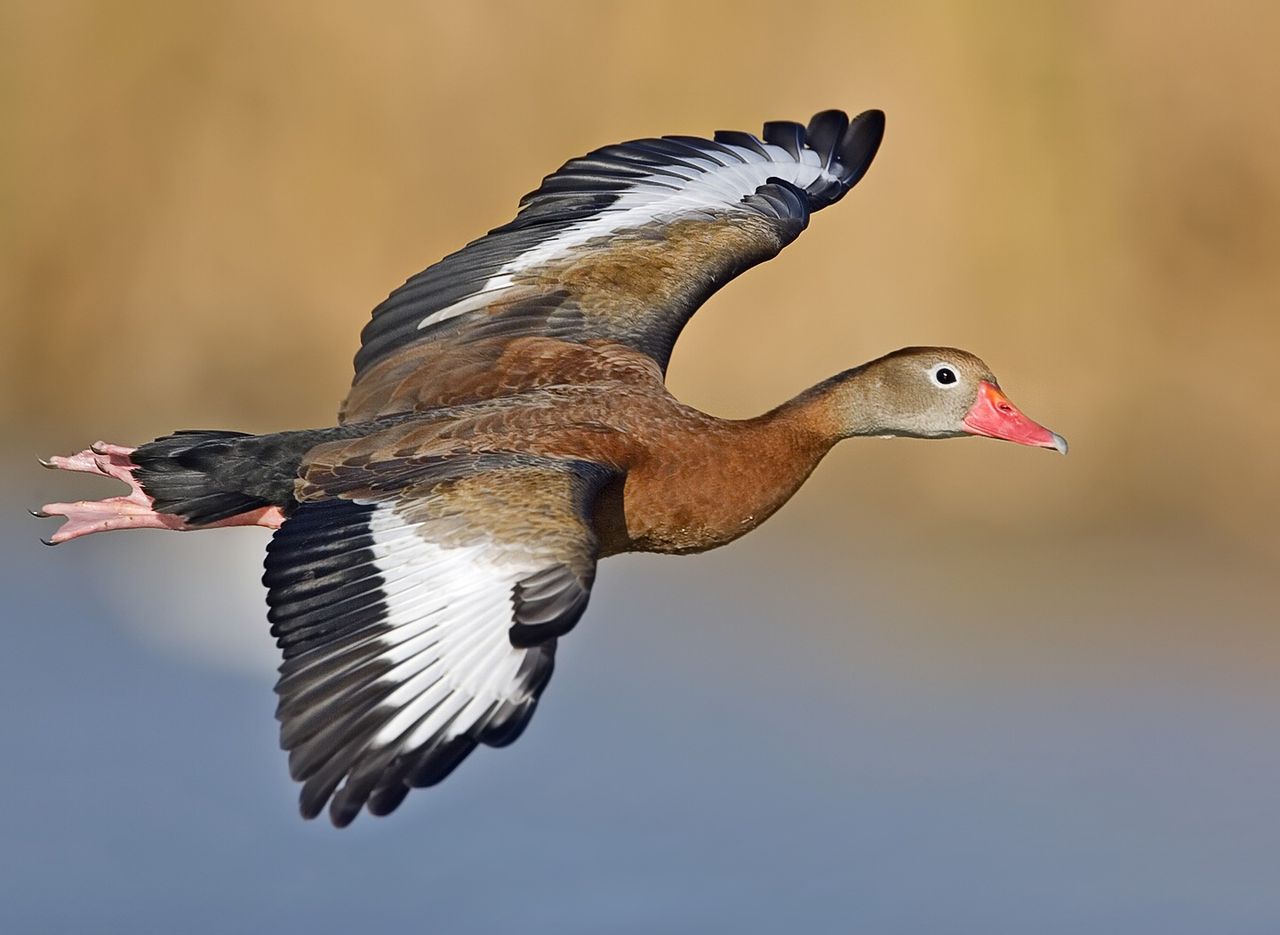
The black-bellied tern is a tern found near large rivers in the Indian subcontinent, its range extending from Pakistan, Nepal and India to Myanmar. It has become very scarce in the eastern part of its range and the International Union for Conservation of Nature has assessed its conservation status as being endangered.
Region
South Asia
Typical Environment
Occurs along major lowland rivers from Pakistan through northern India and Nepal to Bangladesh and Myanmar. Prefers broad, braided river systems with mid-channel sandbars and sparsely vegetated islands. Breeds on exposed sandbanks during the dry season and forages over adjacent channels and backwaters. It avoids marine coasts, relying instead on freshwater habitats. Human alteration of rivers has fragmented its range and reduced suitable nesting sites.
Altitude Range
Sea level to 600 m
Climate Zone
Subtropical
Ease of Keeping
Beginner friendly: 1/5
This riverine tern breeds on exposed sandbanks of large South Asian rivers and is highly sensitive to water-level changes. In breeding plumage it shows a striking black belly patch that fades outside the season. Populations have declined sharply due to sand mining, damming, nest disturbance, and bycatch in fishing gear. Conservation efforts focus on protecting nesting islands and regulating river extraction during the breeding season.

Temperament
social and alert
Flight Pattern
agile flier with rapid wingbeats and quick plunge-dives
Social Behavior
Nests colonially or in loose groups on bare sandbars, often alongside other riverine birds. Both sexes share incubation and chick-rearing, with simple scrapes used as nests. Highly protective of nest sites and sensitive to disturbance, especially from people and livestock crossing sandbanks.
Migratory Pattern
Partial migrant
Song Description
Calls are sharp, metallic kik and kree notes, often given in series during flight. At colonies it emits harsh scolding chatter, especially when intruders approach.
Plumage
Pale grey upperparts and white head with a glossy black cap in breeding season; underparts white with a distinct black belly patch. Non-breeding birds show a mottled cap and reduced belly patch. Tail deeply forked with long white streamers; wings long and narrow.
Diet
Feeds mainly on small fish, aquatic insects, and crustaceans taken from the surface or by shallow plunge-dives. It also hawks flying insects over water, especially in the evening. Prey is typically captured in fast-flowing channels and along current seams.
Preferred Environment
Forages over wide river channels, pools below rapids, and around sandbar edges and confluences. Often patrols above calm stretches where small fish gather near the surface.