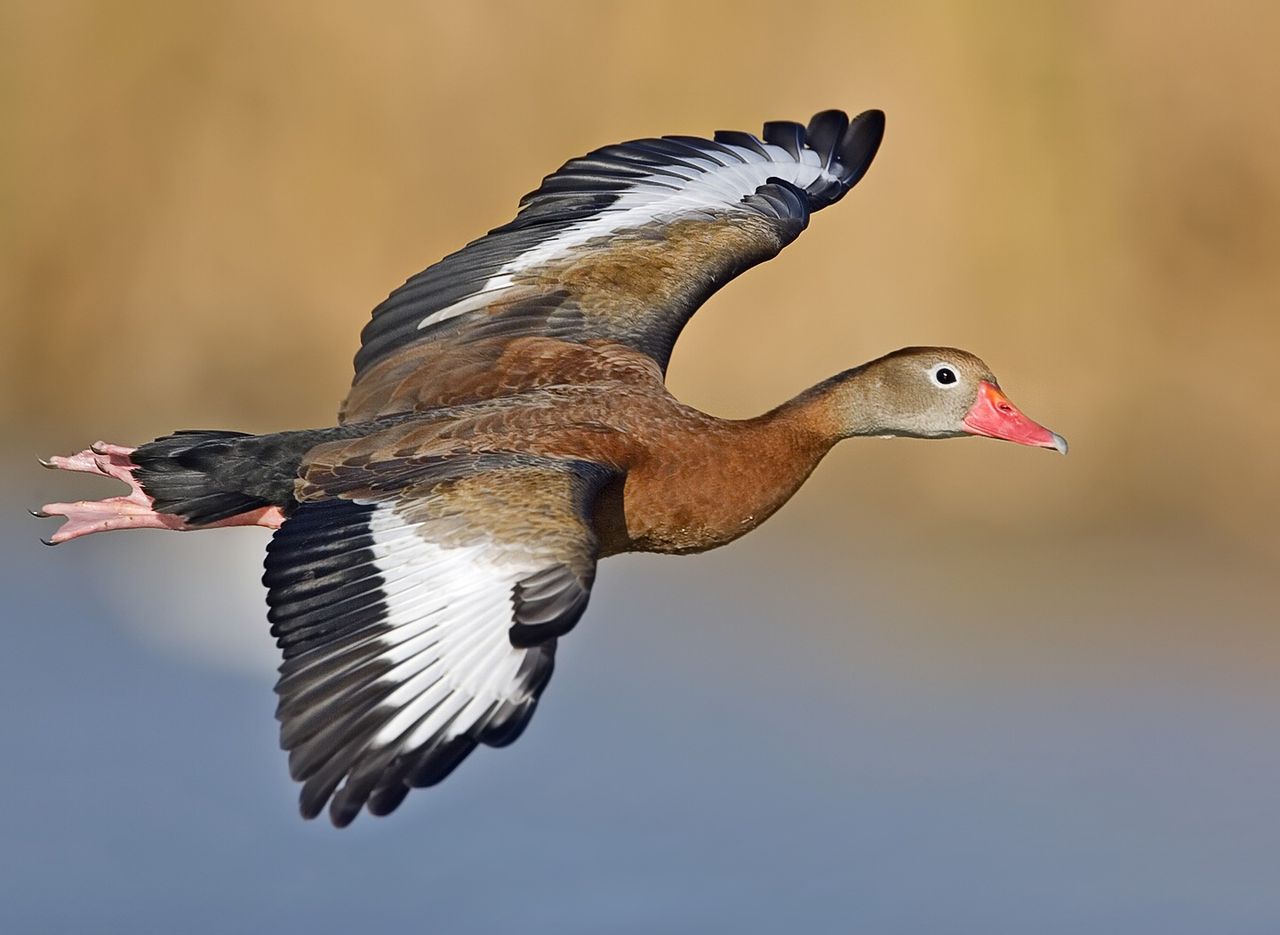
The black-bellied storm petrel is a species of seabird in the family Oceanitidae.
Region
Southern Ocean
Typical Environment
This species is circumpolar in the southern oceans, ranging widely across subantarctic and Antarctic waters. It breeds on scattered islands including Kerguelen, South Georgia, Prince Edward and Marion, Heard and McDonald, the Auckland and Antipodes, and others. Outside the breeding season it disperses broadly over open ocean and is seldom seen from land except near colonies. It frequents cold, productive waters with upwellings and often forages along shelf breaks and convergence zones.
Altitude Range
Sea level to 100 m
Climate Zone
Polar
Ease of Keeping
Beginner friendly: 1/5
A small tubenose of the Southern Ocean, the black-bellied storm petrel spends most of its life far from land, coming ashore only to breed. It nests in burrows or rock crevices on remote subantarctic islands and visits colonies at night to avoid predators. At sea it often patters its feet on the water while picking food from the surface and may gather around fishing vessels.


Temperament
social at sea but secretive near breeding sites
Flight Pattern
short rapid wingbeats interspersed with glides, bounding low over waves
Social Behavior
Breeds in loose colonies on remote islands, nesting in burrows or rock crevices. Largely nocturnal at colonies to avoid predation by skuas and gulls. Typically lays a single egg; both parents share incubation and chick-rearing.
Migratory Pattern
Seasonal migrant
Song Description
Generally quiet at sea, giving only soft calls. At colonies it produces chattering, purring, and squeaky notes, often delivered from within the burrow during nocturnal activity.
Plumage
Dark sooty-brown to blackish upperparts with contrasting white underparts crossed by a bold black central belly patch; white rump is conspicuous in flight. Underwings are mostly dark with a paler panel. Feathers are sleek and water-resistant, typical of pelagic petrels.
Diet
Feeds mainly on small fish, squid, and pelagic crustaceans such as krill and copepods. It also takes carrion and fishery discards opportunistically. Prey is usually picked from the surface while the bird hovers or patters its feet, and it may seize items flushed by marine mammals or ships.
Preferred Environment
Open ocean over productive, cold waters, particularly near fronts and upwellings. Common around shelf edges and convergence zones, and may follow vessels where offal is available.