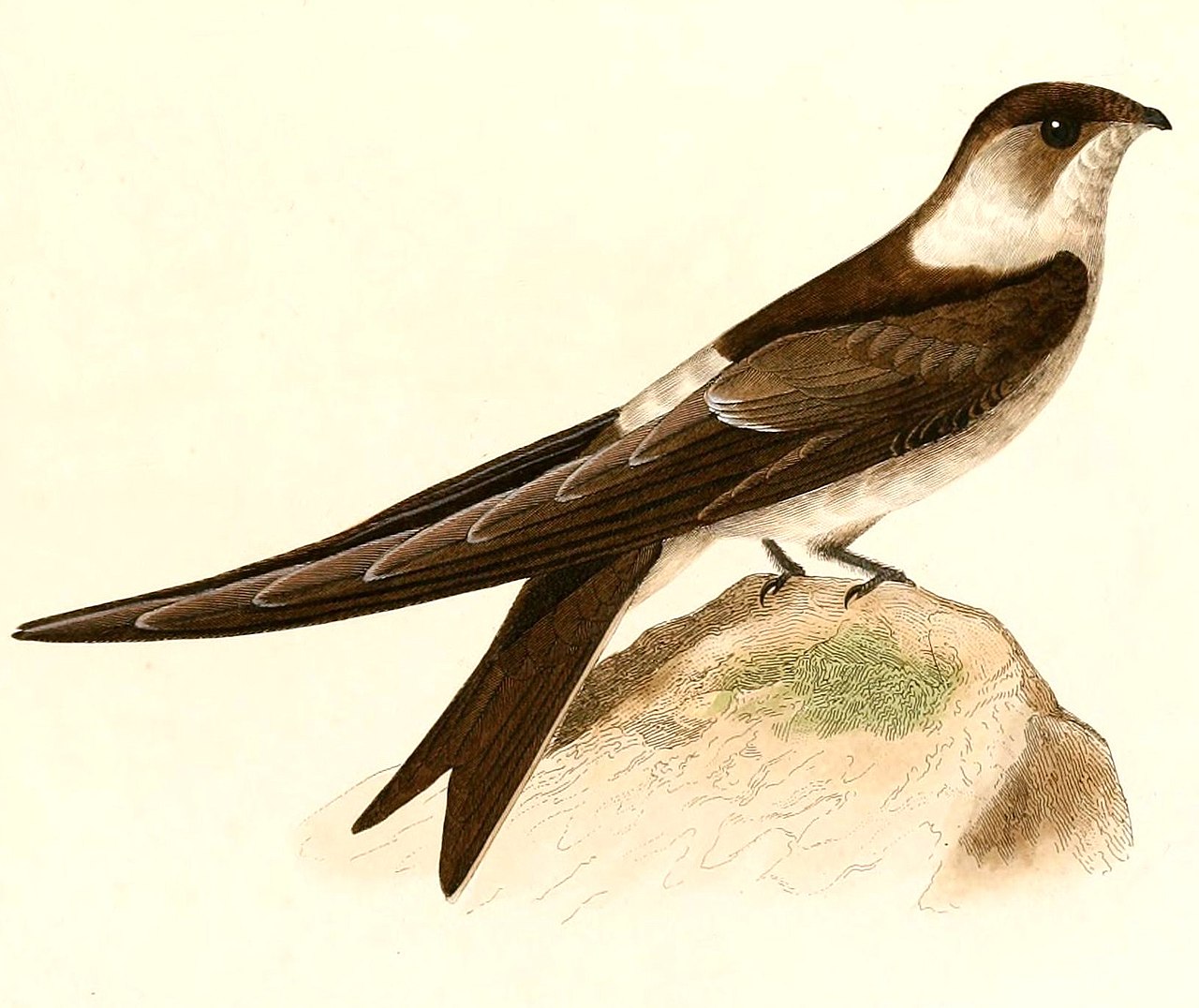
The Andean potoo is a species of bird in the family Nyctibiidae. It is found in Bolivia, Colombia, Ecuador, Peru, and Venezuela.
Region
Andes Mountains
Typical Environment
Occurs along humid Andean slopes and foothill cloud forests from Venezuela through Colombia, Ecuador, Peru, and into Bolivia. Prefers forest edges, clearings, and riparian corridors where open airspace is available for aerial hawking. By day it roosts motionless on exposed stumps or horizontal branches, relying on cryptic plumage. At night it forages along forest gaps, roadsides, and near streams within intact or partially disturbed forest.
Altitude Range
800–2500 m
Climate Zone
Highland
Ease of Keeping
Beginner friendly: 1/5
The Andean potoo is a nocturnal, branch-mimicking specialist that spends daylight hours perched upright, perfectly camouflaged as a broken stump. It has a huge gape for catching flying insects and narrow eyelid slits that let it watch while appearing asleep. It typically lays a single egg directly on a bare stump or branch without building a nest.


Temperament
solitary and territorial
Flight Pattern
short rapid wingbeats with buoyant sallies
Social Behavior
Generally solitary outside the breeding pair. Likely monogamous, with both adults involved in guarding a single egg laid on a bare stump or branch. Parents rely on camouflage and stillness to avoid detection rather than active defense.
Migratory Pattern
Resident
Song Description
Gives haunting, mournful whistles and moans at night, often with spaced, descending notes. The voice carries far across valleys and is most frequent at dusk and before dawn.
Plumage
Cryptically mottled gray-brown with blackish streaks and pale buff spots; very fine patterning that mimics bark texture.
Diet
Feeds primarily on flying insects such as moths, beetles, and other nocturnal arthropods. Hunts by sallying from a perch, launching short flights to snatch prey in the air with its wide gape. Occasionally takes prey near lights along forest edges and roads. Swallows prey whole and returns to the same or nearby perch between sallies.
Preferred Environment
Forages along forest edges, canopy gaps, and over streams where flight paths are open. Often selects exposed perches such as snags, fence posts, or dead branches at forest margins.